
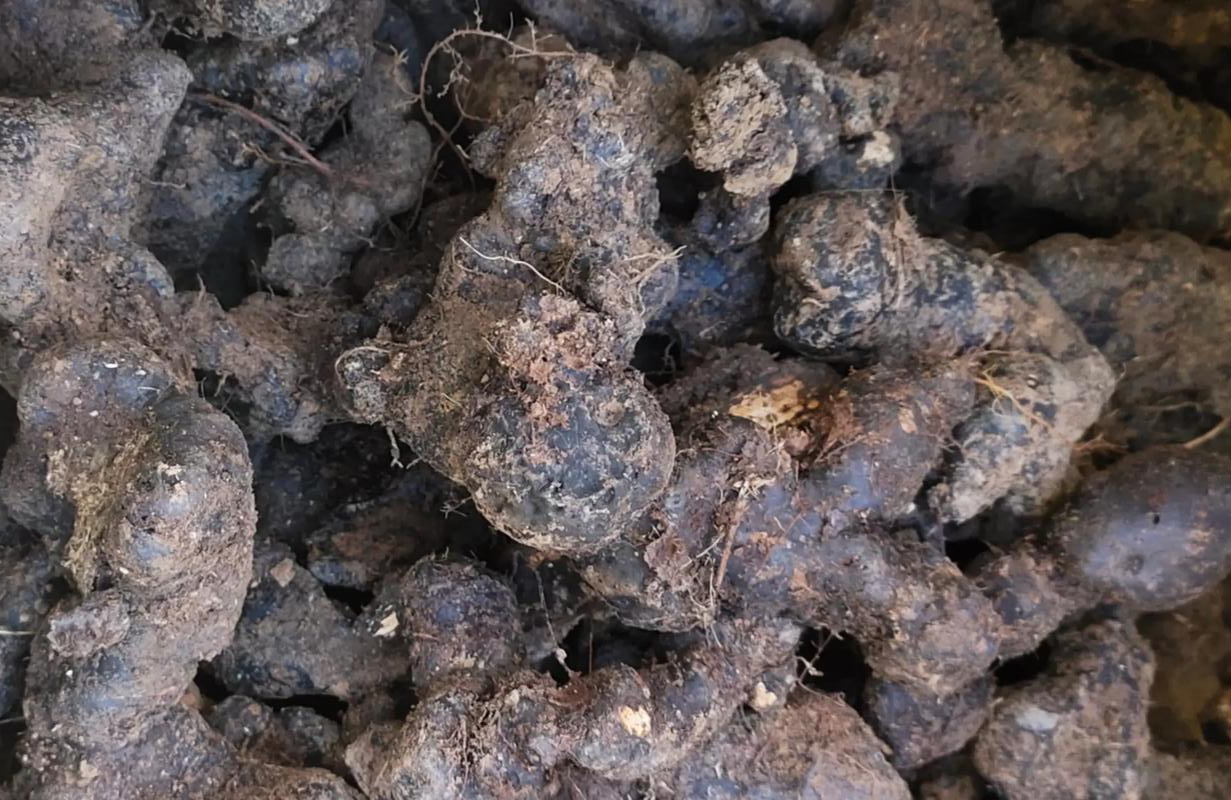
Polyporus Umbellatus (Umbellate Pore Fungus) Extract Powder 10:1, 20:1, 50:1 TLC, Polysaccharides 30% UV
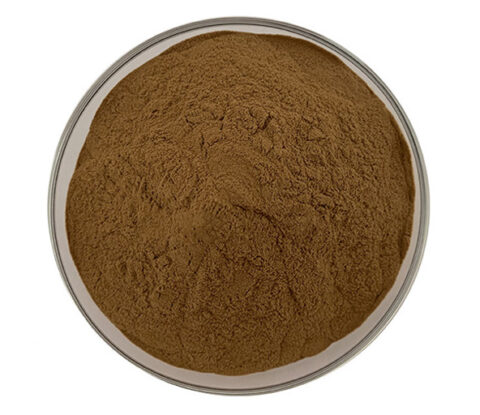
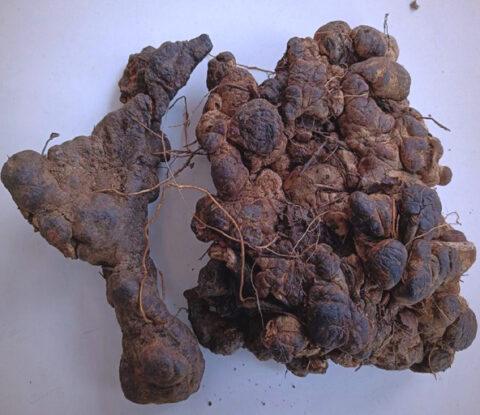


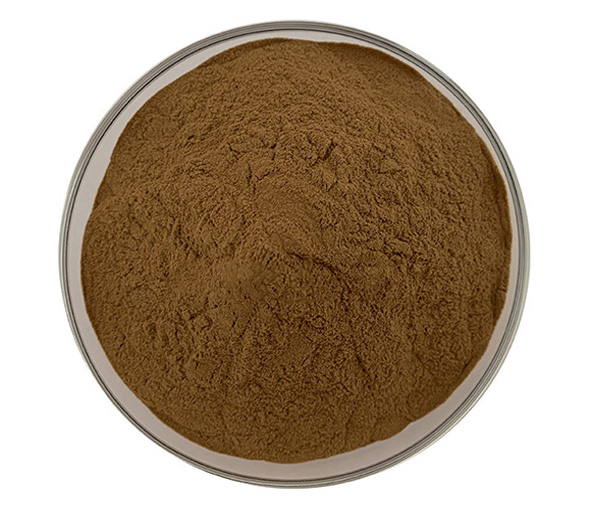
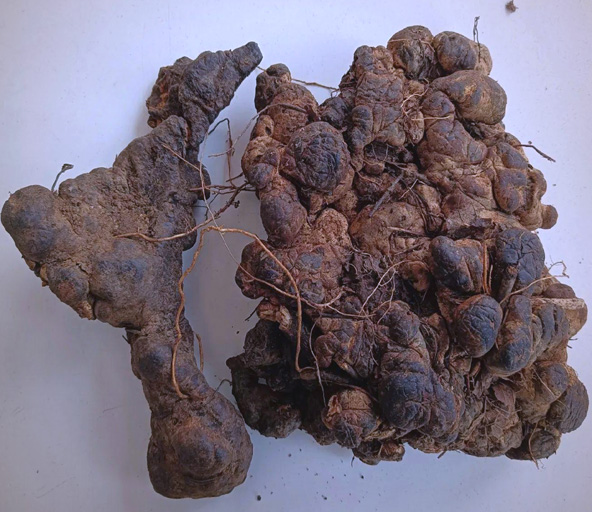
The core pharmacological activity of Polyporus umbellatus is derived from its unique β-glucan. Studies have confirmed its highly effective and mild diuretic effect, achieved by regulating renal aquaporins without disrupting electrolyte balance. Additionally, it exhibits potent immunomodulatory and anti-tumor activities, capable of activating various immune cells, inhibiting cancer cell proliferation, and inducing apoptosis. Furthermore, it also possesses liver-protective and antioxidant properties.

Polyporus Umbellatus (Umbellate Pore Fungus) Extract Powder 10:1, 20:1, 50:1 TLC, Polysaccharides 30% UV
【Botanical source】: Polyporus umbellatus (Pers.) Fr.
【Part used】: Mycelium&Frutingbody
【Specification】: 10:1, 20:1, 50:1 TLC, Polysaccharides 30% UV
【Extraction solvents】: Water
【Appearance】: Brownish yellow fine powder
【Particle size】: 95% pass 80 mesh size
【Main ingredients】: The core component of Polyporus umbellatus is water-soluble polysaccharides, primarily composed of Polyporus umbellatus glucan (a glucan with β-(1→3) and β-(1→6) glycosidic bonds). It also contains ergosterol, protein, biotin, and various trace elements. Its unique porous structure enables it to be rich in these components and confers significant pharmacological activities such as diuresis, immune regulation, and anti-tumor effects.
【Storage conditions】:Store at room temperature in a sealed manner, away from light, and in a ventilated, cool, and dry environment.
【Shelf life】: 24 months from the production date
Polyporus Umbellatus (Umbellate Pore Fungus) Extract Powder Production Flowchart
Polyporus Umbellatus frutingbody raw materials -Coarse powder(40 mesh) -Low temperature water extraction – 1st Reflux Extraction(10 times water,2 Hrs) – 2nd Reflux Extraction8 times water,1.5 Hrs) – 3rd Reflux Extraction(6 times water,1 Hrs) – Extraction Solution-combine&Filtrate-Concentrate-Extractum-spray drying – screening – packaging – detection of physical and chemical indicators – warehousing
Specification Sheet of Polyporus Umbellatus (Umbellate Pore Fungus) Extract Powder
| Product name: | Polyporus Umbellatus Extract | ||
| Specification: | 30% polysaccharides UV | ||
| Part used: | Fruitbody of Polyporus umbellatus (Pers.) Fr. | ||
| Solvent used: | Water | ||
| Process: | Raw materials crushed, extracted, concentrated and spray-dried to powder | ||
| Non GMO according to regulation (EC) 1829/2003 and 1830/2003 or United States requirements. Non allergen according to Directive 2007/68 amending Annex IIIa to Directive 2000/13/EC and US Food allergen labelling and consumer protection act 2004. | |||
| Heavy Metals: | |||
| Lead: | NMT 3ppm | Cadmium: | NMT 1ppm |
| Arsenic: | NMT 2ppm | Mercury: | NMT 1ppm |
| Residual solvents: | Comply to USP | ||
| Pesticides residues: | Conform to Regulation USP<561> | ||
| Microbiology: | |||
| Total plate count: | 10000cfu/g Max | Yeasts and molds: | 1000cfu/g Max |
| E.coli: | Not detected in (g)10 | Salmonella spp.: | Not detected in (g)25 |
| Staphylococcus aureus: | Not detected in (g)10 | Clostridium spp.: | Not Present in 0.1 g of food |
| Organoleptic quality | Method | Specifications | |
| Aspect: | Visual : ( CQ-MO-148) | Powder | |
| Color: | Visual : ( CQ-MO-148) | Brownish yellow | |
| Flavor: | Sensory: (CQ-MO-148) | Characteristic | |
| Analytical quality | Method | Specifications | |
| Identification: | TLC | Conform | |
| Loss on drying: | USP <731> | < 10% | |
| Bulk density: | USP <616> Method I | 40 – 60 g/100mL | |
| Particle size: | Analytical sieving || USP <786> | 100% through 80meshes | |
| Packaging suitable for foodstuff. | |||
Extended Reading
Modern Research on Polyporus umbellatus (Zhu Ling) Extract
- Key Chemical Components
The primary bioactive compounds are polysaccharides, particularly β-(1→3)-D-glucans with β-(1→6) branches (Polyporus umbellatus polysaccharide, PUPS), which are water-soluble and considered the main active principles. Other key constituents include ergosterol (a vitamin D₂ precursor), ergone (a polyporusterone), various triterpenoids, and biotin.
- Documented Health Benefits & Mechanisms
- Diuretic & Kidney-Protective Effects: PUPS and ergone promote diuresis by regulating aquaporin expression in renal tubules and inhibiting sodium-potassium ATPase, without causing electrolyte imbalance. It shows protective effects in animal models of kidney stones and drug-induced nephrotoxicity.
- Anticancer & Immunomodulatory Activities: PUPS enhances immune function by activating macrophages, dendritic cells, and NK cells, and stimulating cytokine production (IL-2, IFN-γ). It exhibits antitumor effects against bladder, lung, and liver cancers in preclinical models, often synergizing with chemotherapy.
- Hepatoprotective Effects: Demonstrates protection against chemical-induced liver injury (e.g., CCl₄) by reducing oxidative stress and inflammation.
- Antioxidant & Anti-inflammatory: Polysaccharides and triterpenoids scavenge free radicals and inhibit pro-inflammatory mediators (NO, TNF-α).
- Interactions, Taboos, and Warnings
- Drug Interactions: May enhance the effects of diuretics (additive diuretic action) and immunosuppressants (theoretical antagonism). Caution with nephrotoxic drugs (potential protective interaction).
- Contraindications: Not recommended during pregnancy or lactation (insufficient safety data). Use with caution in patients with yin deficiency patterns in TCM (may exacerbate dryness).
- General Safety: Considered safe at standard doses, but high doses may cause gastrointestinal discomfort.
- Applications
- Clinical Medicine: Used in TCM formulas (e.g., with Alismatis rhizoma) to treat edema, nephrotic syndrome, and urinary tract infections.
- Oncology Support: Investigated as an adjuvant to reduce chemotherapy side effects and enhance immunity.
- Nutraceuticals: Marketed in capsules or extracts for kidney health and immune support.
References
- Zhao, Y. Y., et al. (2010). “Diuretic activity of the ethanol and aqueous extracts of the surface layer of Polyporus umbellatus in rats.” Journal of Ethnopharmacology, 126(1), 30-35.
- Zhang, G., et al. (2011). “Chemical components and pharmacological activities of Polyporus umbellatus.” Chinese Journal of Natural Medicines, 9(2), 81-85.
- Wang, M., et al. (2012). “Polysaccharides from Polyporus umbellatus: A review on their extraction, purification, and bioactivities.” Carbohydrate Polymers, 88(3), 1071-1080.
- Sun, Y., et al. (2014). “The immune adjuvant effects of Polyporus umbellatus polysaccharide in cancer immunotherapy.” International Immunopharmacology, 22(2), 560-566.
- Li, X., et al. (2017). “Ergone, a bioactive compound from Polyporus umbellatus, inhibits renal fibrosis by regulating TGF-β/Smad signaling.” Phytomedicine, 32, 17-24.
- Wu, X., et al. (2020). “Polyporus umbellatus polysaccharide extends lifespan and improves healthspan in Caenorhabditis elegans via the DAF-16/FOXO pathway.” Oxidative Medicine and Cellular Longevity, 2020, 7242706.
Disclaimer: This information consolidates current preclinical and limited clinical research. Pleurotus eryngii extract is a dietary supplement, not a medicine. Its effects can vary based on strain, cultivation, and extraction methods. Consultation with a healthcare provider is recommended before therapeutic use, especially for individuals with health conditions or those taking medications.