
Prune Fruit Extract Powder 10:1 TLC, Prune Instant Powder
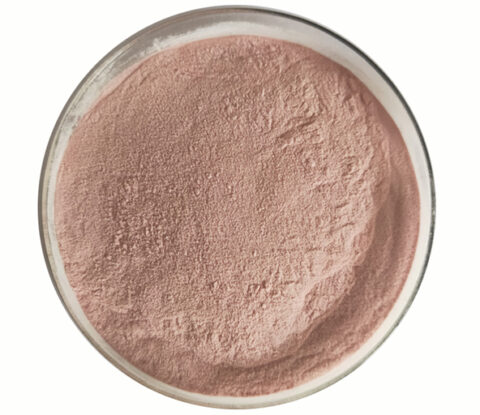
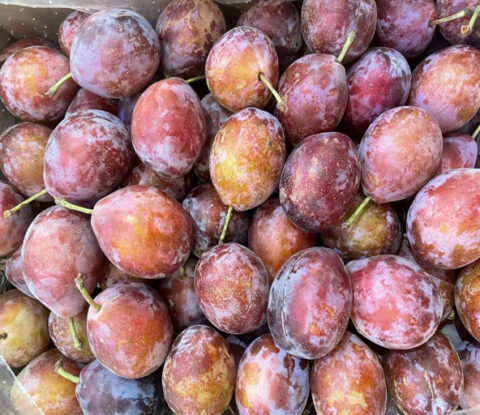


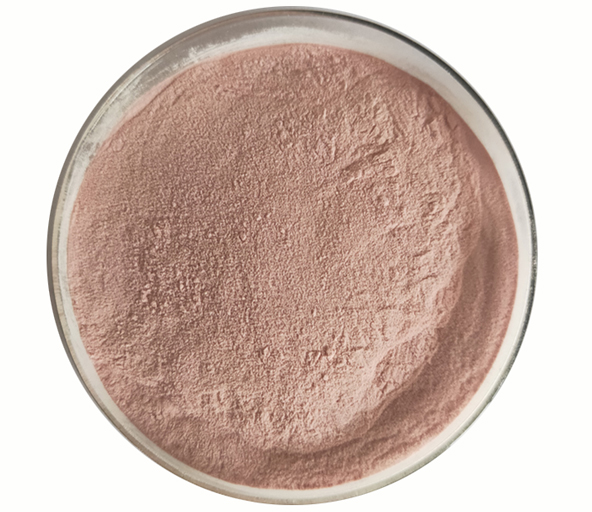
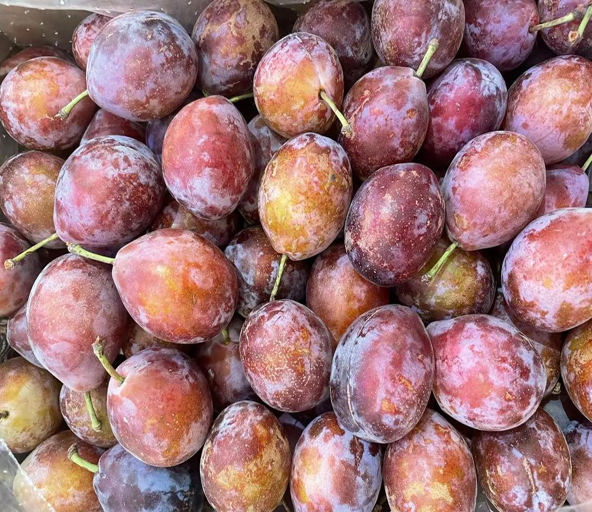
The core efficacy of prune extract powder is its excellent promotion of intestinal health and laxative effect, thanks to its rich dietary fiber and sorbitol. Its polyphenol components provide strong antioxidant and anti-inflammatory benefits, clinically proven to effectively prevent bone loss, improve bone density, and have a positive auxiliary effect on cardiovascular metabolism (such as regulating blood sugar and blood lipids).

Prune Fruit Extract Powder 10:1 TLC, Prune Instant Powder
【Botanical source】: Prunus domestica L.
【Part used】: Fruit
【Specification】: 10:1TLC, Prune Instant Powder
【Extraction solvents】: Water
【Appearance】: Light purple fine powder
【Particle size】: 95% pass 80 mesh size
【Main ingredients】: Prune is rich in dietary fiber (especially sorbitol and pectin), phenolic compounds (such as chlorogenic acid and chlorogenic acid), vitamins A and K, and mineral potassium. These ingredients together endow it with excellent effects in promoting intestinal peristalsis, relieving constipation, and possessing physiological functions of antioxidant, supporting bone health, and assisting in regulating blood sugar.
【Storage conditions】:Store at room temperature in a sealed manner, away from light, and in a ventilated, cool, and dry environment.
【Shelf life】: 24 months from the production date

Prune Fruit Extract Powder Production Flowchart
Prune Fruit raw materials -Coarse powder(40 mesh) -Low temperature water extraction – 1st Reflux Extraction(10 times water,2 Hrs) – 2nd Reflux Extraction8 times water,1.5 Hrs) – 3rd Reflux Extraction(6 times water,1 Hrs) – Extraction Solution-combine&Filtrate-Concentrate-Extractum-spray drying – screening – packaging – detection of physical and chemical indicators – warehousing
Specification Sheet of Prune Fruit Extract Powder
| Product name: | Prune Fruit Extract | ||
| Specification: | 10:1 TLC | ||
| Part used: | Fruit of Prunus domestica L. | ||
| Solvent used: | Water | ||
| Process: | Raw materials crushed, extracted, concentrated and spray-dried to powder | ||
| Non GMO according to regulation (EC) 1829/2003 and 1830/2003 or United States requirements. Non allergen according to Directive 2007/68 amending Annex IIIa to Directive 2000/13/EC and US Food allergen labelling and consumer protection act 2004. | |||
| Heavy Metals: | |||
| Lead: | NMT 3ppm | Cadmium: | NMT 1ppm |
| Arsenic: | NMT 2ppm | Mercury: | NMT 1ppm |
| Residual solvents: | Comply to USP | ||
| Pesticides residues: | Conform to Regulation USP<561> | ||
| Microbiology: | |||
| Total plate count: | 10000cfu/g Max | Yeasts and molds: | 1000cfu/g Max |
| E.coli: | Not detected in (g)10 | Salmonella spp.: | Not detected in (g)25 |
| Staphylococcus aureus: | Not detected in (g)10 | Clostridium spp.: | Not Present in 0.1 g of food |
| Organoleptic quality | Method | Specifications | |
| Aspect: | Visual : ( CQ-MO-148) | Powder | |
| Color: | Visual : ( CQ-MO-148) | Light purple | |
| Flavor: | Sensory: (CQ-MO-148) | Characteristic | |
| Analytical quality | Method | Specifications | |
| Identification: | TLC | Conform | |
| Loss on drying: | USP <731> | < 10% | |
| Bulk density: | USP <616> Method I | 40 – 60 g/100mL | |
| Particle size: | Analytical sieving || USP <786> | 100% through 80meshes | |
| Packaging suitable for foodstuff. | |||
Extended Reading
Modern Pharmacological Effects of Prune Extract
Prune extract, derived from dried plums (Prunus domestica L.), is a concentrated source of bioactive compounds. It is particularly rich in dietary fibers (including pectin and hemicellulose), sorbitol, phenolic compounds (neochlorogenic acid, chlorogenic acid, caffeic acid, rutin), and vitamins (notably vitamin K) and minerals (potassium, boron). Modern research has elucidated a range of pharmacological effects that extend far beyond its well-known laxative property.
Key Pharmacological Effects:
- Gastrointestinal Health & Laxative Action: This is the most recognized effect. The combination of sorbitol (an osmotically active sugar alcohol), dietary fiber (insoluble and soluble), and phenolic compounds works synergistically. They increase stool bulk, soften stool consistency by drawing water into the colon, and stimulate beneficial gut microbiota, making it highly effective in preventing and alleviating chronic constipation.
- Bone Health Promotion: Clinical and preclinical studies consistently show that prune consumption prevents bone loss and improves bone mineral density. Proposed mechanisms include: suppression of bone resorption through downregulation of osteoclastogenesis and inflammatory mediators (e.g., RANKL, TNF-α), enhancement of antioxidant status to reduce oxidative stress on bone cells, and provision of key nutrients (vitamin K, potassium, boron) essential for bone formation and calcium metabolism.
- Antioxidant & Anti-inflammatory: The unique phenolic profile, with neochlorogenic and chlorogenic acids as major constituents, provides potent free radical scavenging and metal chelating capacity. This systemic antioxidant activity translates into significant anti-inflammatory effects, reducing markers of chronic inflammation (e.g., CRP, IL-6) and oxidative stress, which are underlying factors in many chronic diseases.
- Cardiometabolic Benefits: Regular intake is associated with improved cardiovascular risk markers. The extract can moderate postprandial blood glucose and insulin levels, likely through fiber-mediated delayed carbohydrate absorption. It also helps lower LDL cholesterol and blood pressure, attributed to its fiber, potassium, and polyphenol content, thereby supporting overall cardiometabolic health.
- Hepatoprotective & Prebiotic: Animal studies demonstrate protective effects against non-alcoholic fatty liver disease (NAFLD). The extract reduces hepatic steatosis, inflammation, and oxidative stress. Furthermore, its fibers and polyphenols act as prebiotics, selectively promoting the growth of beneficial bacteria like Lactobacillus and Bifidobacterium, enhancing gut barrier function and producing beneficial short-chain fatty acids.
- Neuroprotective Potential: Emerging research suggests that the polyphenols in prunes may have beneficial effects on cognitive function. In animal models of aging and neurodegeneration, they help reduce oxidative stress and inflammation in the brain, improve memory, and protect neuronal cells.
Conclusion
Prune extract is a multifunctional nutraceutical with robust scientific support for its benefits in gastrointestinal, skeletal, and metabolic health. Its effects are mediated through a combination of its unique nutrient matrix—sorbitol, fiber, and distinctive phenolics—which work synergistically to exert antioxidant, prebiotic, and anti-inflammatory actions. It represents a valuable dietary component for preventive health strategies targeting constipation, osteoporosis, and cardiometabolic disorders.
References
- Arjmandi, B. H., et al. (2017). Dried plum (prune) consumption improves bone mineral density in postmenopausal women: A systematic review and meta-analysis of randomized controlled trials. Critical Reviews in Food Science and Nutrition, 57(17), 3647-3656.
- Furchner-Evanson, A., et al. (2010). Type of snack influences satiety responses in adult women. Appetite, 54(3), 564-569. (Seminal work on satiety and metabolic markers).
- Gallaher, D. D., & Gallaher, C. M. (2009). The effect of dried plum on bone in postmenopausal women. Journal of Medicinal Food, 12(4), 719-724.
- Hooshmand, S., et al. (2016). The effect of two doses of dried plum on bone density and bone biomarkers in osteopenic postmenopausal women: a randomized, controlled trial. Osteoporosis International, 27(7), 2271-2279.
- Lever, E., et al. (2019). The effect of prunes on stool output, whole gut transit time and gastrointestinal symptoms: a randomised controlled trial. Alimentary Pharmacology & Therapeutics, 49(8), 1016-1027.
- Lever, E., et al. (2014). Systematic review: the effect of prunes on gastrointestinal function. Alimentary Pharmacology & Therapeutics, 40(7), 750-758.
- Piirainen, L., et al. (2007). Prune juice has a mild laxative effect in adults with certain gastrointestinal symptoms. Nutrition Research, 27(8), 511-513.
- Stacewicz-Sapuntzakis, M. (2013). Dried plums and their products: composition and health effects–an updated review. Critical Reviews in Food Science and Nutrition, 53(12), 1277-1302.
- Tinker, L. F., et al. (1991). Consumption of prunes as a source of dietary fiber in men with mild hypercholesterolemia. The American Journal of Clinical Nutrition, 53(5), 1259-1265.
- Wallace, T. C. (2017). Dried Plums, Prunes and Bone Health: A Comprehensive Review. Nutrients, 9(4), 401.
Note: This summary is for informational purposes. It may interact with medications and is contraindicated in certain conditions. Consult a healthcare professional before therapeutic use, particularly regarding its estrogenic activity.