
Pu’er Tea Extract Powder 10:1, 20:1, 50:1 TLC
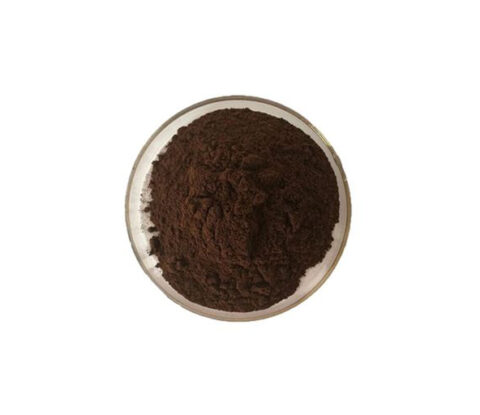
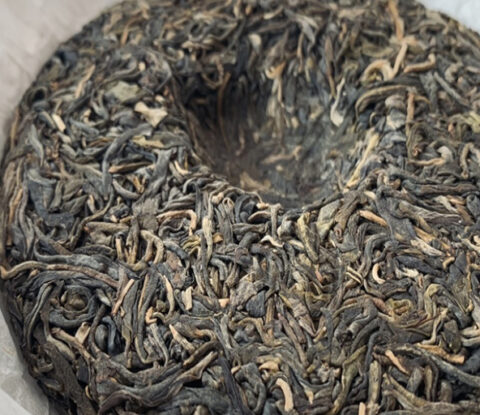


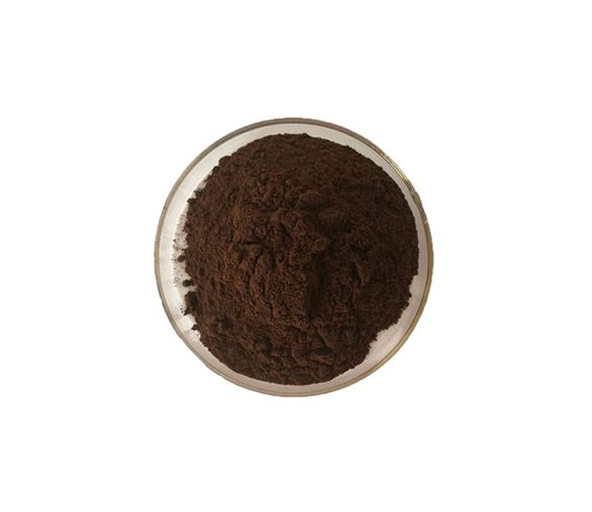
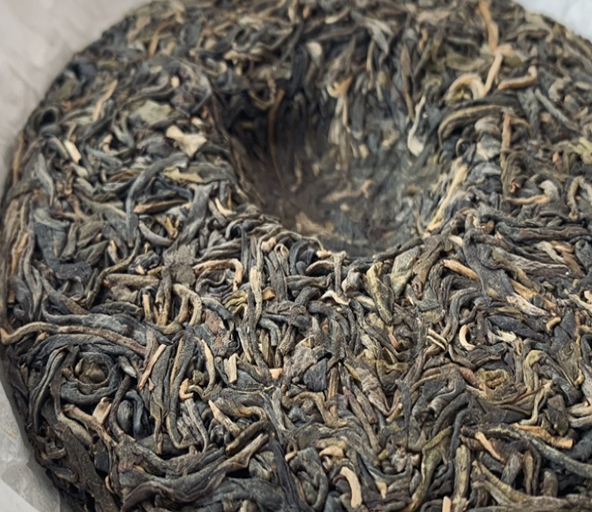
Pu erh tea extract has the effect of regulating human metabolic balance, and has significant effects on reducing metabolic indicators such as blood sugar, blood lipids, blood pressure, and uric acid.

Pu’er Tea Extract Powder 10:1, 20:1, 50:1 TLC
【Botanical source】: Camellia sinensis (L)
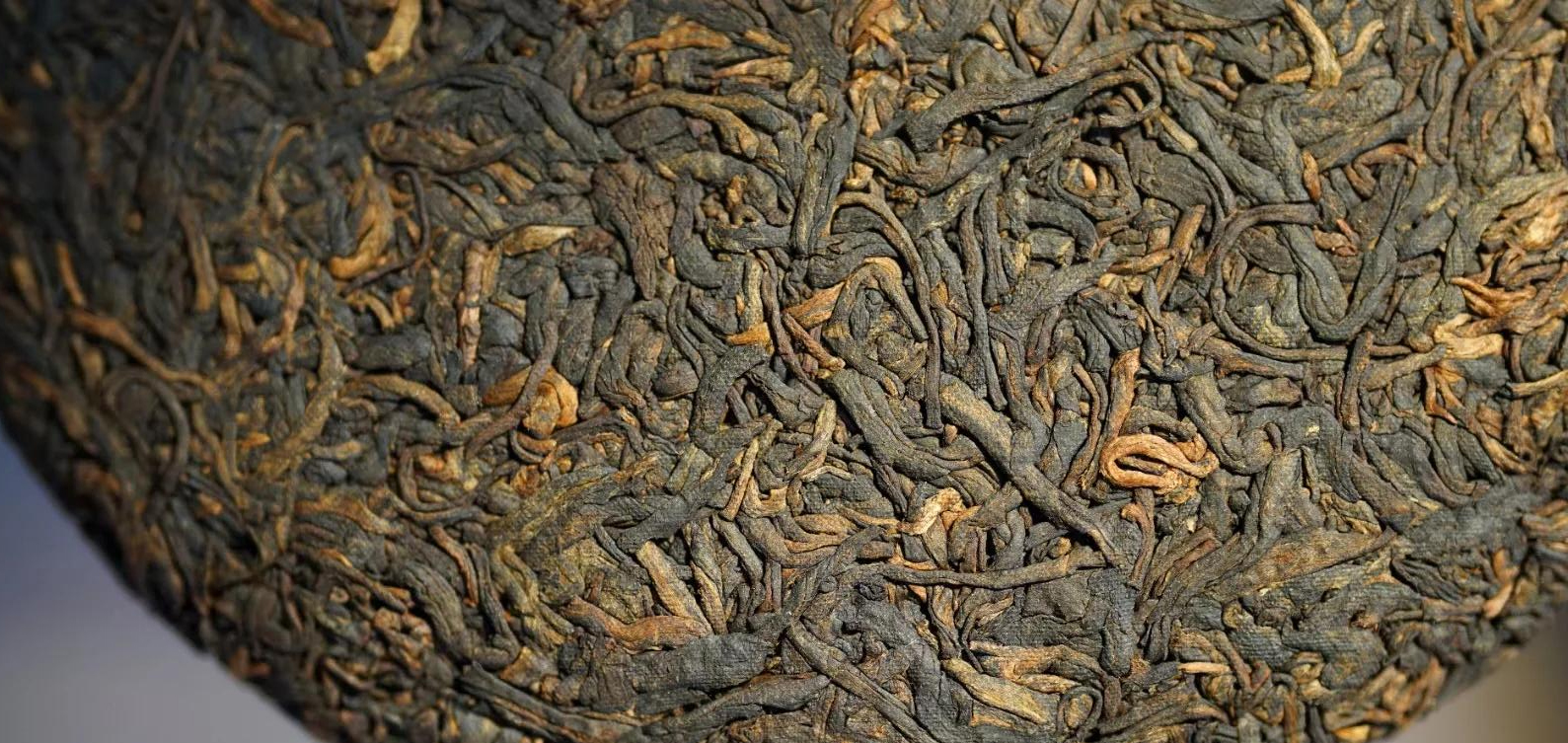
【Part used】: Pu’er tea leaves made from Camellia sinensis (L)
【Specification】: 10:1, 20:1, 50:1 TLC
【Extraction solvents】: Water
【Appearance】: Brownish fine powder
【Particle size】: 95% pass 80 mesh size
【Main ingredients】: Pu’er tea contains rich active ingredients, including tea polyphenols, theaflavins, caffeine, amino acids, vitamins, and minerals, which have antioxidant, metabolic regulating, digestive promoting, refreshing, and immune enhancing effects.
【Storage conditions】:Store at room temperature in a sealed manner, away from light, and in a ventilated, cool, and dry environment.
【Shelf life】: 24 months from the production date
Pu’er Tea Extract Powder Production Flowchart
Pu’er Tea raw materials -Coarse powder(40 mesh) -Low temperature water extraction – 1st Reflux Extraction(10 times water,2 Hrs) – 2nd Reflux Extraction8 times water,1.5 Hrs) – 3rd Reflux Extraction(6 times water,1 Hrs) – Extraction Solution-combine&Filtrate-Concentrate-Extractum-spray drying – screening – packaging – detection of physical and chemical indicators – warehousing
Specification Sheet of Pu’er Tea Extract Powder
| Product name: | Pu’er Tea Extract | ||
| Specification: | 10:1 TLC | ||
| Part used: | Dried Pu’er tea leaves made from Camellia sinensis (L) | ||
| Solvent used: | Water | ||
| Process: | Raw materials crushed, extracted, concentrated and spray-dried to powder | ||
| Non GMO according to regulation (EC) 1829/2003 and 1830/2003 or United States requirements. Non allergen according to Directive 2007/68 amending Annex IIIa to Directive 2000/13/EC and US Food allergen labelling and consumer protection act 2004. | |||
| Heavy Metals: | |||
| Lead: | NMT 3ppm | Cadmium: | NMT 1ppm |
| Arsenic: | NMT 2ppm | Mercury: | NMT 1ppm |
| Residual solvents: | Comply to USP | ||
| Pesticides residues: | Conform to Regulation USP<561> | ||
| Microbiology: | |||
| Total plate count: | 10000cfu/g Max | Yeasts and molds: | 1000cfu/g Max |
| E.coli: | Not detected in (g)10 | Salmonella spp.: | Not detected in (g)25 |
| Staphylococcus aureus: | Not detected in (g)10 | Clostridium spp.: | Not Present in 0.1 g of food |
| Organoleptic quality | Method | Specifications | |
| Aspect: | Visual : ( CQ-MO-148) | Powder | |
| Color: | Visual : ( CQ-MO-148) | Brownish | |
| Flavor: | Sensory: (CQ-MO-148) | Characteristic | |
| Analytical quality | Method | Specifications | |
| Identification: | TLC | Conform | |
| Loss on drying: | USP <731> | < 10% | |
| Bulk density: | USP <616> Method I | 40 – 60 g/100mL | |
| Particle size: | Analytical sieving || USP <786> | 100% through 80meshes | |
| Packaging suitable for foodstuff. | |||
Extended Reading
Summary of Modern Pharmacological Effects of Pu’er Tea Extract
Pu’er tea is a unique fermented tea produced in Yunnan, China, from the leaves of the large-leaf variety of Camellia sinensis (var. assamica). It undergoes a microbial fermentation process (for ripe/shou Pu’er) or prolonged natural post-fermentation (for raw/sheng Pu’er), which dramatically alters its chemical profile compared to green or black tea. Modern research has identified a complex array of bioactive compounds, including microbial-derived statins, gallic acid, caffeine, theabrownins, polymeric polyphenols, and specific flavonoids. These are responsible for its distinct pharmacological effects.
The key pharmacological effects identified in contemporary research include:
- Hypolipidemic and Anti-obesity: This is one of the most studied effects. Pu’er tea extract significantly reduces serum total cholesterol, triglycerides, and low-density lipoprotein (LDL) while increasing high-density lipoprotein (HDL). Mechanisms involve inhibition of dietary fat absorption, suppression of hepatic cholesterol synthesis via downregulation of sterol regulatory element-binding proteins (SREBPs), activation of AMP-activated protein kinase (AMPK), promotion of fecal cholesterol excretion, and modulation of gut microbiota.
- Antioxidant and Anti-aging: Despite having lower monomeric catechins than green tea, Pu’er tea exhibits strong antioxidant capacity due to its unique theabrownins and polymerized polyphenols. It scavenges free radicals, chelates metal ions, and upregulates endogenous antioxidant enzymes like superoxide dismutase (SOD) and glutathione peroxidase (GSH-Px). This contributes to potential anti-aging effects at the cellular and organismal level.
- Anti-diabetic and Improvement of Insulin Resistance: Extracts improve glycemic control by inhibiting carbohydrate-digesting enzymes (α-amylase, α-glucosidase), enhancing insulin sensitivity in peripheral tissues (e.g., via the PI3K/Akt pathway), and protecting pancreatic β-cells. It can lower fasting blood glucose and glycated hemoglobin (HbA1c) levels in animal models.
- Hepatoprotective: Pu’er tea extract protects against chemical- (e.g., CCl₄, alcohol) and high-fat-diet-induced liver injury. It reduces hepatic lipid accumulation (steatosis), lowers serum alanine transaminase (ALT) and aspartate transaminase (AST) levels, and exerts anti-fibrotic effects, showing promise for non-alcoholic fatty liver disease (NAFLD).
- Prebiotic and Gut Microbiota Modulation: As a fermented product, it acts as a prebiotic, selectively promoting the growth of beneficial bacteria (e.g., Akkermansia, Bifidobacterium, Lactobacillus) while inhibiting harmful ones. This modulation is crucial for its metabolic benefits, including improved barrier function and reduced systemic inflammation from endotoxemia.
- Anti-inflammatory and Immunomodulatory: Extracts suppress the production of pro-inflammatory cytokines (TNF-α, IL-6, IL-1β) and mediators (iNOS, COX-2) primarily by inhibiting the NF-κB signaling pathway. This systemic anti-inflammatory effect underlies many of its protective actions against metabolic and chronic diseases.
- Anti-cancer (Cytotoxic/Antiproliferative): In vitro studies show that Pu’er tea extract can inhibit proliferation and induce apoptosis in various cancer cell lines (e.g., liver, stomach, colon, breast). Proposed mechanisms include cell cycle arrest, activation of caspase pathways, and suppression of tumor metastasis. Theabrownins and other large molecular compounds are considered key active components.
- Anti-atherosclerotic: Beyond lipid-lowering, the extract protects vascular endothelial function, inhibits oxidation of LDL cholesterol (a key step in plaque formation), and reduces vascular smooth muscle cell proliferation, collectively slowing the progression of atherosclerosis.
Mechanistic Insights: The metabolic benefits (lipid, glucose, weight) are highly interconnected and strongly linked to gut microbiota modulation and the AMPK signaling pathway activation. The fermentation process creates bioactive molecules (e.g., statins, gallic acid) not found in unfermented teas.
Conclusion: Modern research substantiates Pu’er tea’s traditional use for “removing grease and aiding digestion,” with its most robust evidence supporting hypolipidemic, anti-obesity, and hepatoprotective effects. Its status as a microbially fermented tea endows it with unique prebiotic and metabolic properties. While preclinical evidence is strong, more high-quality, long-term human clinical trials are needed to confirm therapeutic dosages and efficacy for specific conditions. Its safety profile is generally favorable, though its caffeine and potent bioactive content warrant moderate consumption.
References
- Hou, Y., Shao, W., Xiao, R., Xu, K., Ma, Z., Johnstone, B. H., & Du, Y. (2009). Pu-erh tea aqueous extracts lower atherosclerotic risk factors in a rat hyperlipidemia model. Experimental Gerontology, 44(6-7), 434-439.
- Zhao, L., Jia, S., Tang, W., Sheng, J., & Luo, Y. (2011). Pu-erh tea inhibits tumor cell growth by down-regulating mutant p53. International Journal of Molecular Sciences, 12(11), 7581-7593.
- Huang, F., Zheng, X., Ma, X., Jiang, R., Zhou, W., Zhou, S., … & Li, Y. (2019). Theabrownin from Pu-erh tea attenuates hypercholesterolemia via modulation of gut microbiota and bile acid metabolism. Nature Communications, 10(1), 4971.
- Ku, H. C., Chang, H. H., Liu, H. C., Lin, C. L., & Kuo, C. H. (2015). Pu-erh tea supplementation suppresses fatty acid synthase expression in the rat liver through downregulating Akt and JNK signalings as demonstrated in human hepatoma HepG2 cells. Oncology Reports, 34(2), 1031-1037.
- Duh, P. D., Yen, G. C., Yen, W. J., Wang, B. S., & Chang, L. W. (2004). Effects of pu-erh tea on oxidative damage and nitric oxide scavenging. Journal of Agricultural and Food Chemistry, 52(26), 8169-8176.
- Wang, Q., Peng, C., & Gong, J. (2011). Effects of enzymatic action on the formation of theabrownin during the fermentation of pu-erh tea. Journal of the Science of Food and Agriculture, 91(11), 2122-2128.
- Lin, C. H., Lin, C. C., & Chen, C. T. (2015). Pu-erh tea extract suppresses the proliferation of hepatocellular carcinoma cells via inducing cell cycle arrest and apoptosis. Food & Function, 6(1), 225-234.
- Jie, G., Lin, Z., Zhang, L., Lv, H., He, P., & Zhao, B. (2006). Free radical scavenging effect of Pu-erh tea extracts and their protective effect on oxidative damage in human fibroblast cells. Journal of Agricultural and Food Chemistry, 54(21), 8058-8063.
- Ma, Y., Zhao, L., Coleman, D. N., Gao, M., & Loor, J. J. (2019). Tea polyphenols protect bovine mammary epithelial cells from hydrogen peroxide-induced oxidative damage in vitro by activating NFE2L2/HMOX1 pathways. Journal of Dairy Science, 102(2), 1658-1670.
- Lu, C. H., & Hwang, L. S. (2008). Polyphenol contents of pu-erh teas and their abilities to inhibit cholesterol biosynthesis in Hep G2 cell line. Food Chemistry, 111(1), 67-71.
Note: This summary is for informational purposes. It may interact with medications and is contraindicated in certain conditions. Consult a healthcare professional before therapeutic use, particularly regarding its estrogenic activity.