
Pueraria Lobata(Ge Gen) Extract Powder 10:1, 20:1, 50:1 TLC
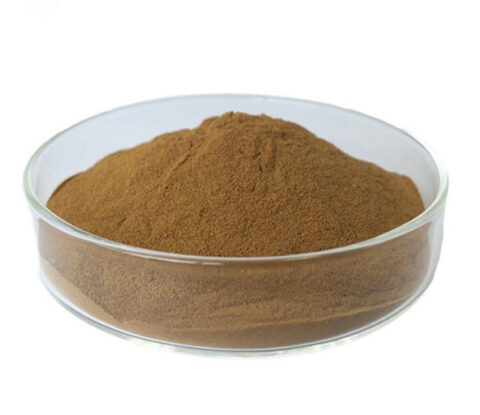


The main functions of Pueraria Lobata(Ge Gen) in traditional Chinese medicine are to relieve muscle and fever, generate saliva and quench thirst, penetrate rashes, promote yang and stop diarrhea, activate meridians and collaterals, and relieve alcohol and toxins. Used for external fever, headache, strong neck and back pain, thirst, quenching thirst, measles intolerance, dysentery, diarrhea, dizziness, headache, stroke hemiplegia, chest pain, and alcohol poisoning injuries.

Pueraria Lobata(Ge Gen) Extract Powder 10:1, 20:1, 50:1 TLC
【Other names】: Ge Gen, Gan Ge, Radix Puerariae, Kudzuvine Root, Lobed Kudzuvine Root, Kudzu root
【Botanical source】: Pueraria lobata(Willd.)Ohwi
【Part used】: Dried roots of Pueraria lobata (Willd.) Ohwi, a leguminous plant. Also known as wild kudzu. Dig in autumn and winter, and cut into thick or small pieces while fresh; dry.
【Specification】: 10:1, 20:1, 50:1 TLC
【Appearance】: White to offwhite fine powder
【Particle size】: 95% pass 80 mesh size
Pueraria Lobata(Ge Gen) Extract Powder Production Flowchart
Pueraria Lobata(Ge Gen) raw materials – natural air drying–Coarse powder(40 mesh) -Low temperature water extraction – 1st Reflux Extraction(10 times water,2 Hrs) – 2nd Reflux Extraction8 times water,1.5 Hrs) – 3rd Reflux Extraction(6 times water,1 Hrs) – Extraction Solution-combine&Filtrate-Concentrate-Extractum-spray drying – screening – packaging – detection of physical and chemical indicators – warehousing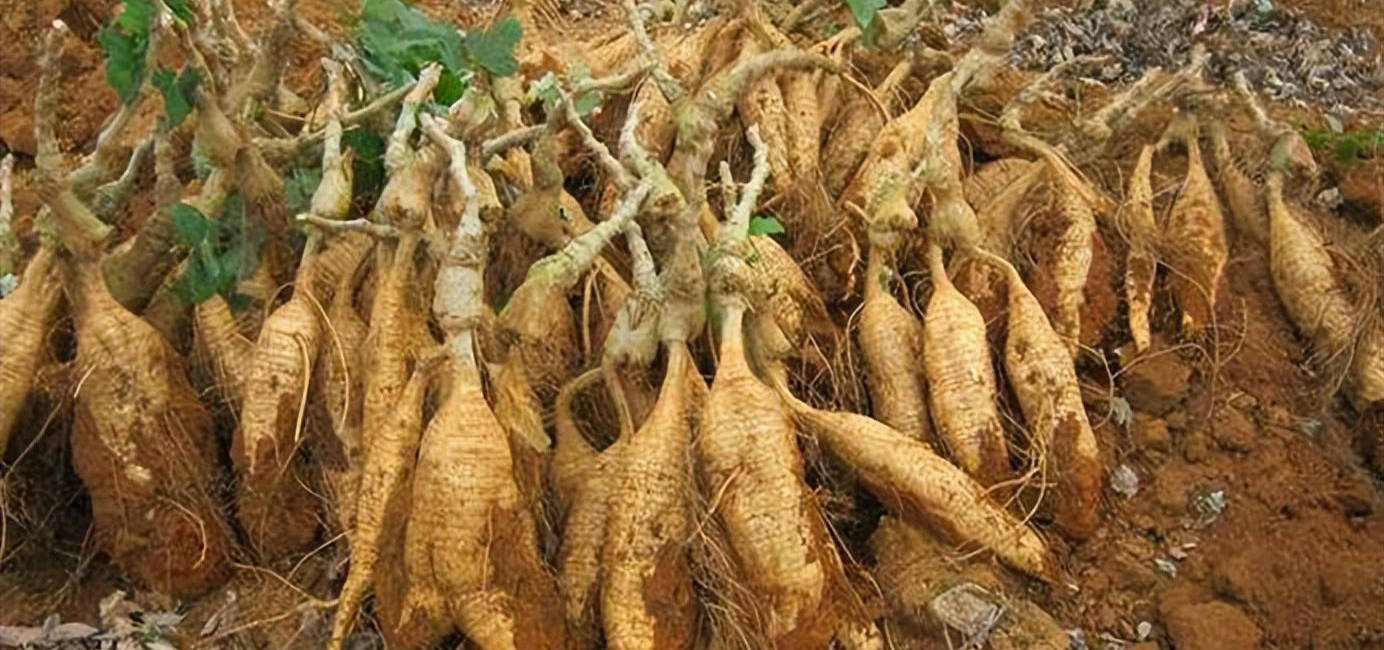
Specification Sheet of Pueraria Lobata(Ge Gen) Extract Powder
| Product name: | Ge Gen Extract | ||
| Specification: | 10:1 TLC | ||
| Part used: | Pueraria lobata(Willd.)Ohwi | ||
| Solvent used: | Hot water | ||
| Process: | Raw materials crushed, extracted, concentrated and spray-dried to powder | ||
| Non GMO according to regulation (EC) 1829/2003 and 1830/2003 or United States requirements. Non allergen according to Directive 2007/68 amending Annex IIIa to Directive 2000/13/EC and US Food allergen labelling and consumer protection act 2004. | |||
| Heavy Metals: | |||
| Lead: | NMT 3ppm | Cadmium: | NMT 1ppm |
| Arsenic: | NMT 2ppm | Mercury: | NMT 1ppm |
| Residual solvents: | Comply to USP | ||
| Pesticides residues: | Conform to Regulation USP<561> | ||
| Microbiology: | |||
| Total plate count: | 10000cfu/g Max | Yeasts and molds: | 1000cfu/g Max |
| E.coli: | Not detected in (g)10 | Salmonella spp.: | Not detected in (g)25 |
| Staphylococcus aureus: | Not detected in (g)10 | Clostridium spp.: | Not Present in 0.1 g of food |
| Organoleptic quality | Method | Specifications | |
| Aspect: | Visual : ( CQ-MO-148) | Powder | |
| Color: | Visual : ( CQ-MO-148) | White to offwhite | |
| Flavor: | Sensory: (CQ-MO-148) | Characteristic | |
| Analytical quality | Method | Specifications | |
| Identification: | TLC | Conform | |
| Loss on drying: | USP <731> | < 10% | |
| Bulk density: | USP <616> Method I | 40 – 60 g/100mL | |
| Particle size: | Analytical sieving || USP <786> | 100% through 80meshes | |
| Packaging suitable for foodstuff. | |||
Extended Reading
Pueraria Lobata(Ge Gen) Function and Efficacy Recorded in TCM
Kudzu root is a very commonly used and important medicine in traditional Chinese medicine, known as the “Asian ginseng”. It has a cool nature, a sweet and spicy taste, and is suitable for the spleen, stomach, and lung meridians. Its function can be summarized as “promoting yang and relieving muscle, penetrating rashes and stopping diarrhea, generating fluids and quenching thirst”.
1. Relieve muscle and fever
This is one of the most important benefits of kudzu root. ‘Jieji’ refers to relieving the invasion of evil qi (mainly external wind cold or wind heat) on the skin and muscle level, thereby reducing fever.
Kudzu root is particularly good at treating both superficial symptoms and strong pain in the neck and back. That is to say, when you have a cold and fever, and feel stiff, tight, and inflexible in your neck and back, kudzu root is the preferred medication. This often corresponds to muscle soreness and tension caused by colds in modern medicine.
Representative formula: Ge Gen Tang from “Treatise on Cold Damage” is a classic prescription for treating wind cold and cold accompanied by strong tightness of the neck and back.
2. Generating saliva to quench thirst
Kudzu root can stimulate the upward movement of stomach qi and promote the production of body fluids.
Fever and thirst: In exogenous febrile diseases, the heat consumes body fluids, resulting in dry mouth and tongue. Pueraria root can both reduce fever and produce saliva.
Diabetes (diabetes): In the theory of traditional Chinese medicine, diabetes belongs to the category of “diabetes”. One of its pathogenesis is the dryness of the lung and stomach, and the loss of body fluid. Pueraria lobata is often used in prescriptions for diabetes to help relieve thirst and excessive drinking.
Daily health care: For simple dry mouth and thirst, soaking kudzu root in water can also have a certain relieving effect.
3. Penetrating measles
This is a traditional use of kudzu root. Application: In the early stage of measles, when the rash does not spread smoothly and is trapped in the body, kudzu root can utilize its characteristic of dispersing and promoting the spread of the virus, helping the rash to spread outward and promoting the smooth recovery of the disease. Often used together with medicines such as sesame and peony.
4. Rising yang and stopping diarrhea
This is a very unique and crucial function of kudzu root. Mechanism: Pueraria root can enhance the clear yang qi of the spleen and stomach. In traditional Chinese medicine, the spleen is responsible for promoting clear energy. If spleen deficiency causes the clear yang to not rise but instead sink, it can lead to diarrhea and diarrhea.
Damp heat diarrhea: For hot and damp heat diarrhea (such as acute enteritis), it is often combined with Huanglian and Huangqin, such as Gegen Qinlian Tang, which is a classic formula for treating damp heat diarrhea.
Spleen deficiency diarrhea: For chronic diarrhea caused by spleen deficiency, Ge Gen is often used together with spleen strengthening herbs such as Codonopsis pilosula, Atractylodes macrocephala, and Poria cocos to use its yang boosting effect to help stop the descending diarrhea.
Research on the Modern Pharmacological Effects of Pueraria lobata
The pharmacological effects of Pueraria lobata mainly stem from its various active ingredients, among which the most concerned are puerarin, daidzein, daidzein and other isoflavone compounds. Puerarin is the most representative isoflavone compound in Pueraria lobata and also the most extensively studied component.
1. Effects on the cardiovascular and cerebrovascular system
This is the most in-depth and widely used field of research on kudzu root. Expanding coronary arteries and improving myocardial metabolism: Puerarin can significantly dilate coronary arteries, increase coronary blood flow, reduce myocardial oxygen consumption, and thus improve myocardial blood supply. Commonly used clinically as an adjuvant therapy for coronary heart disease and angina pectoris.
Expand cerebral blood vessels and improve cerebral circulation: Puerarin can counteract cerebral vasospasm, increase cerebral blood flow, and improve microcirculation. Commonly used for treating ischemic cerebrovascular diseases, such as cerebral infarction and insufficient blood supply to the vertebral basilar artery.
Hypotensive effect: Puerarin and its extracts produce a mild antihypertensive effect by blocking β – adrenergic receptors.
Improving microcirculation: can relieve small artery spasm, reduce blood viscosity, and improve peripheral circulation such as the retina and inner ear.
2. Hypoglycemic and lipid-lowering effects
Hypoglycemia: Flavonoids in kudzu root can promote insulin secretion, increase tissue cell sensitivity to insulin, inhibit glycogen breakdown, and thus lower blood sugar levels. It has auxiliary treatment significance for type 2 diabetes and its complications.
Lowering blood fat: Research shows that Pueraria can reduce serum total cholesterol, triglycerides and low-density lipoprotein cholesterol (“bad” cholesterol), and has a positive role in preventing and assisting the treatment of atherosclerosis.
3. Antipyretic and anti-inflammatory effects
Antipyretic: Pueraria decoction and puerarin have significant antipyretic effects on experimental fever model animals, providing scientific basis for their traditional Chinese medicine efficacy of “relieving muscle and fever”.
Anti inflammatory: Total flavonoids from Pueraria lobata can inhibit the production and release of various inflammatory factors, and have strong anti-inflammatory activity, which has potential therapeutic value for inflammatory diseases such as arthritis.
4. Antioxidant and neuroprotective effects
Antioxidant: Kudzu isoflavones are effective antioxidants that can eliminate free radicals in the body and reduce oxidative stress damage, which is closely related to their anti-aging and cardiovascular protective effects.
Neuroprotection: Studies have shown that puerarin has a protective effect on nerve cells, can improve learning and memory function, and has the potential to prevent and treat neurodegenerative diseases such as Alzheimer’s disease and Parkinson’s disease.
5. Estrogen like effects
Kudzu isoflavones have a “plant estrogen” like effect, which can bind to estrogen receptors in the body and exert bidirectional regulatory functions:
When estrogen levels are low in the body (such as during female menopause), it can have a weak estrogenic effect and help alleviate menopausal syndrome (such as hot flashes, sweating, insomnia, etc.).
When the estrogen level in the body is high, it can occupy the receptor competitively, showing anti estrogen effect, which may have preventive significance for some hormone related diseases (such as some breast cancer).
6. Alcohol relieving and liver protecting effects
This is a well-known traditional use of kudzu root, supported by modern research. Kudzu root can inhibit the absorption of alcohol in the gastrointestinal tract, promote the metabolism and excretion of alcohol in the blood, and reduce the damage of alcohol to the liver, which has a hepatoprotective effect.
7. Other functions
Anti tumor: some studies have found that puerarin and its derivatives can inhibit proliferation and induce apoptosis in a variety of cancer cells (such as liver cancer, gastric cancer, breast cancer) in vitro and animal experiments, but its specific mechanism and clinical application still need further exploration.
Enhancing immunity: Pueraria extract can enhance the phagocytic function of macrophages and improve the non-specific immunity of the body.