
Pumpkin Seeds Extract Powder 10:1, 20:1, 50:1 TLC

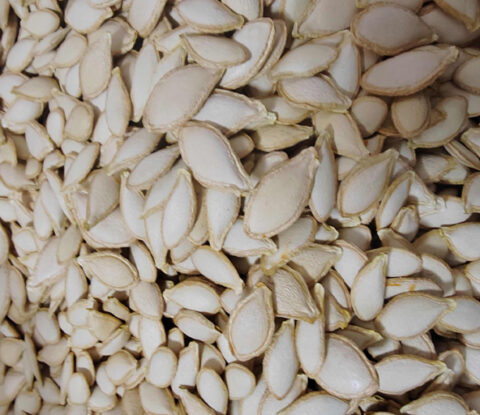


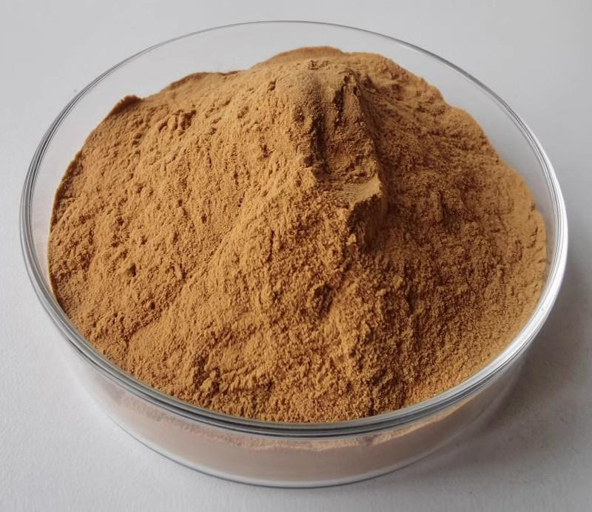
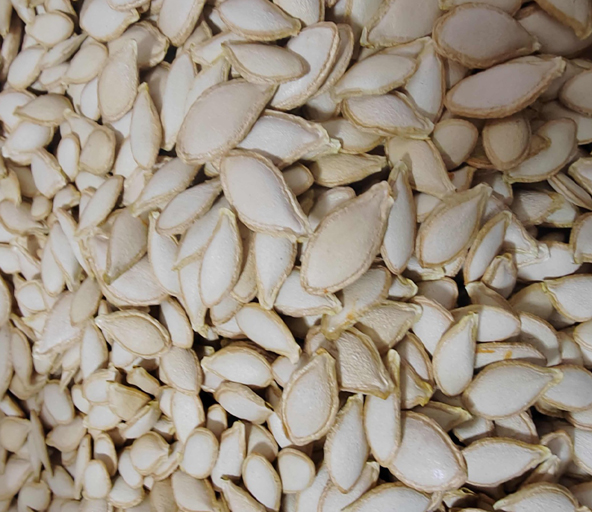
Modern pharmacological studies on pumpkin seed extract have shown that its core active ingredients exert physiological effects through multiple pathways: ① Prostate health: the abundant Δ - sterols can effectively inhibit 5 α - reductase and alleviate symptoms of benign prostatic hyperplasia; ② Metabolic regulation: It has the effects of lowering blood lipids, assisting in lowering blood sugar, and antioxidation; ③ Other activities: Display anti-inflammatory, antiparasitic, and potential anti-tumor activity, and help improve menopausal symptoms.

Pumpkin Seeds Extract Powder 10:1, 20:1, 50:1 TLC
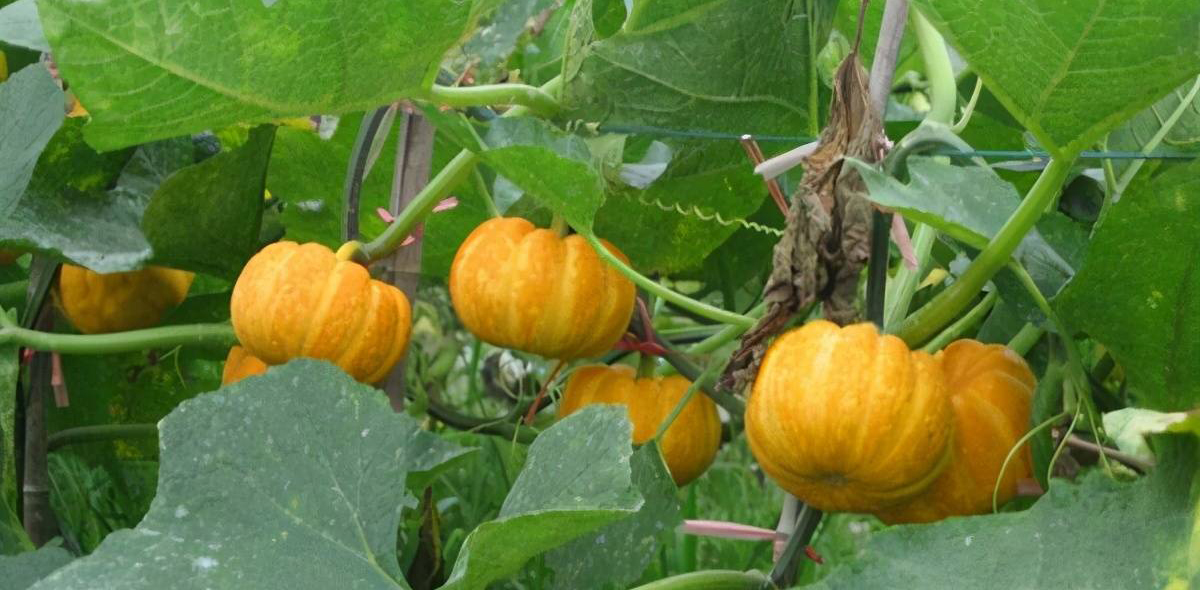
【Botanical source】: Cucurbita moschata (Duchesne ex Lam.) Duchesne ex Poir.
【Part used】: Seeds
【Specification】: 10:1, 20:1, 50:1 TLC
【Extraction solvents】: Water
【Appearance】: Brownish fine powder
【Particle size】: 95% pass 80 mesh size
【Main ingredients】: Pumpkin seeds are rich in high-quality fats (linoleic acid, oleic acid), plant protein, and various trace elements. Its core active ingredients include zinc (maintaining prostate health), magnesium (regulating nerve and muscle function), plant sterols (assisting in cholesterol reduction), and tryptophan (promoting sleep). In addition, it also contains antioxidant components such as vitamin E and phenolic compounds.
【Storage conditions】:Store at room temperature in a sealed manner, away from light, and in a ventilated, cool, and dry environment.
【Shelf life】: 24 months from the production date
Pumpkin Seeds Extract Powder Production Flowchart
Pumpkin Seeds raw materials -Coarse powder(40 mesh) -Low temperature water extraction – 1st Reflux Extraction(10 times water,2 Hrs) – 2nd Reflux Extraction8 times water,1.5 Hrs) – 3rd Reflux Extraction(6 times water,1 Hrs) – Extraction Solution-combine&Filtrate-Concentrate-Extractum-spray drying – screening – packaging – detection of physical and chemical indicators – warehousing
Specification Sheet of Pumpkin Seeds Extract Powder
| Product name: | Pumpkin Seeds extract | ||
| Specification: | 10:1 TLC | ||
| Part used: | Seeds of Cucurbita moschata (Duchesne ex Lam.) Duchesne ex Poir. | ||
| Solvent used: | Water | ||
| Process: | Raw materials crushed, extracted, concentrated and spray-dried to powder | ||
| Non GMO according to regulation (EC) 1829/2003 and 1830/2003 or United States requirements. Non allergen according to Directive 2007/68 amending Annex IIIa to Directive 2000/13/EC and US Food allergen labelling and consumer protection act 2004. | |||
| Heavy Metals: | |||
| Lead: | NMT 3ppm | Cadmium: | NMT 1ppm |
| Arsenic: | NMT 2ppm | Mercury: | NMT 1ppm |
| Residual solvents: | Comply to USP | ||
| Pesticides residues: | Conform to Regulation USP<561> | ||
| Microbiology: | |||
| Total plate count: | 10000cfu/g Max | Yeasts and molds: | 1000cfu/g Max |
| E.coli: | Not detected in (g)10 | Salmonella spp.: | Not detected in (g)25 |
| Staphylococcus aureus: | Not detected in (g)10 | Clostridium spp.: | Not Present in 0.1 g of food |
| Organoleptic quality | Method | Specifications | |
| Aspect: | Visual : ( CQ-MO-148) | Powder | |
| Color: | Visual : ( CQ-MO-148) | Brownish yellow | |
| Flavor: | Sensory: (CQ-MO-148) | Characteristic | |
| Analytical quality | Method | Specifications | |
| Identification: | TLC | Conform | |
| Loss on drying: | USP <731> | < 10% | |
| Bulk density: | USP <616> Method I | 40 – 60 g/100mL | |
| Particle size: | Analytical sieving || USP <786> | 100% through 80meshes | |
| Packaging suitable for foodstuff. | |||
Extended Reading
Modern Research on Pumpkin Seeds Extract Powder
Chemical Components
Pumpkin seed extracts are concentrated sources of bioactive compounds:
- Lipids: Rich in unsaturated fatty acids (linoleic acid ~50%, oleic acid ~20-40%).
- Proteins & Amino Acids: High-quality protein containing all essential amino acids; notably rich in tryptophan.
- Phytosterols: Particularly Δ⁷-sterols (e.g., spinasterol, Δ⁷-avenasterol), distinguishing them from common Δ⁵-sterols like β-sitosterol in other plants.
- Minerals: Exceptionally high in zinc, magnesium, phosphorus, and iron.
- Antioxidants: Tocopherols (vitamin E), phenolic acids (e.g., p-coumaric, ferulic, syringic acids), and carotenoids.
- Other Bioactives: Lignans, cucurbitacins, and unique peptide fractions (e.g., pumpkin seed protein hydrolysate).
Health Benefits (Evidence-Based)
- Benign Prostatic Hyperplasia (BPH) Management: Strongest clinical evidence. Phytosterols, especially Δ⁷-sterols, inhibit 5-alpha-reductase, reducing dihydrotestosterone (DHT) conversion and alleviating urinary symptoms.
- Cardiometabolic Health: Hypolipidemic effects (lowering LDL cholesterol via phytosterols), hypoglycemic potential (improving insulin sensitivity), and antihypertensive properties (ACE-inhibitory peptides).
- Antioxidant & Anti-inflammatory: Phenolic compounds and tocopherols reduce oxidative stress and modulate inflammatory markers (e.g., TNF-α, IL-6).
- Antiparasitic: Traditional use against intestinal parasites (e.g., tapeworms) is attributed to cucurbitin, an amino acid that paralyzes helminthes.
- Hepatoprotective & Anticancer (Preclinical): Animal and in vitro studies show protective effects against liver toxicity and antiproliferative activity against prostate and breast cancer cells.
- Menopausal Symptom Relief: Phytoestrogenic effects may help reduce hot flashes, headaches, and joint pain.
Interactions & Contraindications
- Antidiabetic Medications: May potentiate hypoglycemic effects, requiring blood glucose monitoring.
- Antihypertensive Drugs: May have additive blood pressure-lowering effects.
- Diuretics: High potassium content necessitates caution with potassium-sparing diuretics.
- Lithium: Potential diuretic effect may alter lithium excretion and levels.
- Contraindications: Known allergy to pumpkin seeds. Use with caution in individuals with hypoglycemia or prior to surgery due to potential blood sugar and pressure effects.
Warnings & Side Effects
Generally safe when consumed in food amounts. Concentrated extracts may cause gastrointestinal upset (e.g., abdominal pain, nausea) or, in rare cases, allergic reactions. The high calorie and fat content should be considered in dietary planning.
Applications
- Nutraceuticals & Supplements: Standardized extracts in soft gels, capsules, or tablets for prostate and urinary health (often combined with saw palmetto).
- Functional Foods & Oils: Cold-pressed oil as a dietary supplement or gourmet ingredient; roasted seeds and seed flour in snacks, breads, and protein bars.
- Cosmeceuticals: Oil incorporated into skincare products for its antioxidant, moisturizing, and high zinc content (beneficial for acne-prone skin).
- Animal Health: Used in veterinary nutraceuticals for pet urinary tract support.
Key References
- Gossell-Williams, M., et al. (2006). Journal of Medicinal Food. (Clinical trial on BPH).
- Ryan, E., et al. (2007). Plant Foods for Human Nutrition. (Review of bioactive components).
- Xia, J., et al. (2018). Food & Function. (Antioxidant and health benefit review).
- Caili, F., et al. (2006). Journal of the Science of Food and Agriculture. (Review of pumpkin seed chemistry).
- El-Mosallamy, A. E., et al. (2012). Pharmaceutical Biology. (Antihypertensive and cardioprotective study).
Disclaimer: This information is for academic and informational purposes only. It is not medical advice. Consult a healthcare professional before starting any new supplement, especially if you have a pre-existing condition or are taking medication.