
Radix Asparagi (Tian Men Dong) Extract Powder 10:1, 20:1, 50:1 TLC
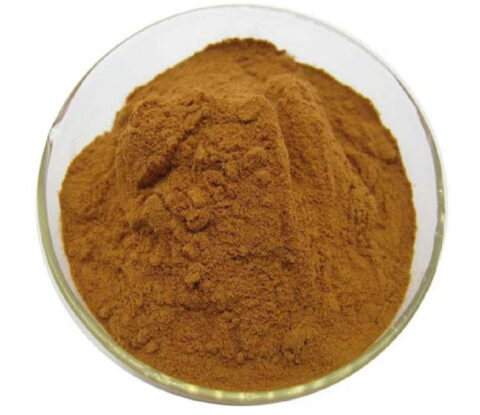
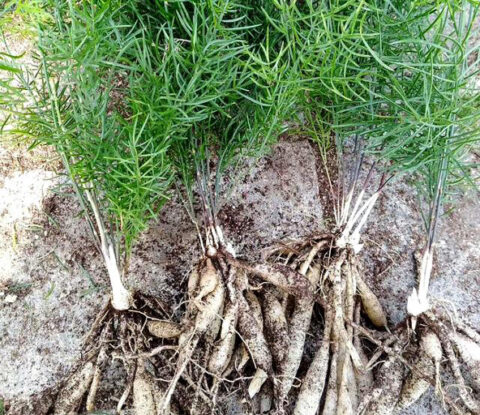
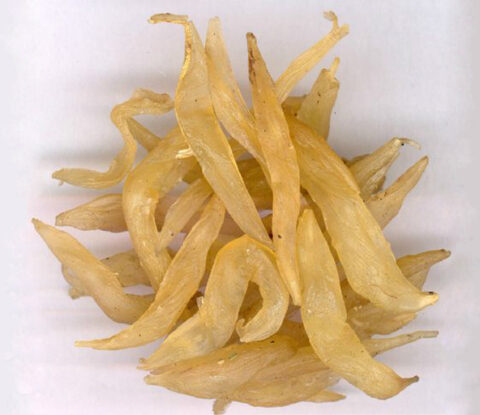


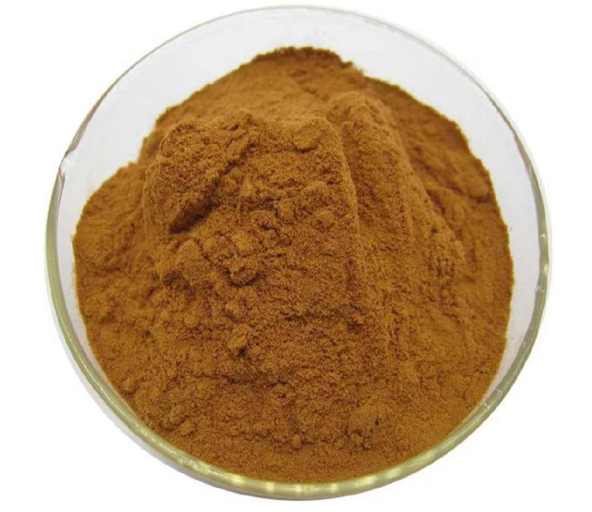
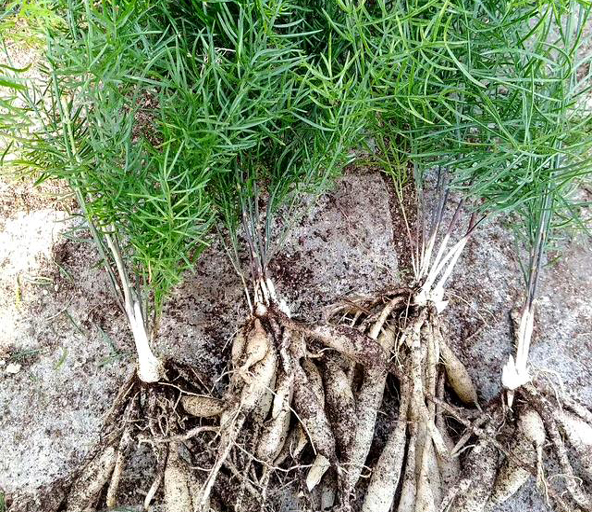
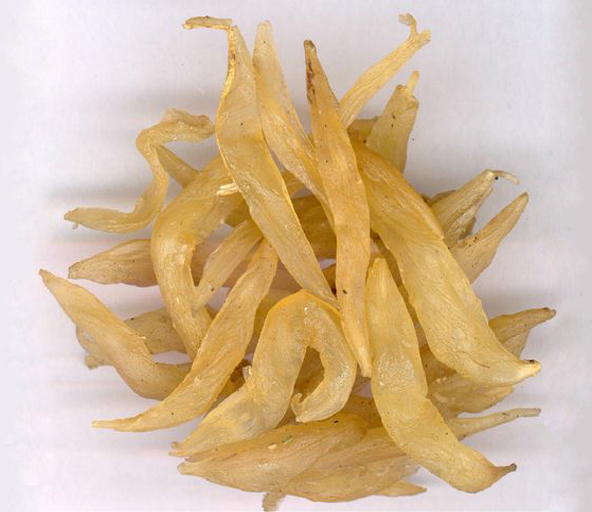
Radix Asparagi is sweet, bitter, and cold in nature, returning to the lung and kidney meridians. It has the effects of clearing the lungs and reducing fire, nourishing yin and moistening dryness, generating fluids and quenching thirst. It is commonly used for symptoms such as lung dryness and dry cough, yin deficiency and hot flashes, intestinal dryness and constipation.

Radix Asparagi (Tian Men Dong) Extract Powder 10:1, 20:1, 50:1 TLC
【Other names】: Tian Dong, Radix asparagi, Tian Men Dong, Cochinchnese Asparagus Root
【Botanical source】: Asparagus cochinchinensis(Lour.)Merr.
【Part used】: The root tuber of Asparagus cochinchinensis (Lour.) Merr, a plant belonging to the Liliaceae family. The plant Tianmendong is distributed in East China, Central South, Southwest China, as well as Hebei, Shanxi, Shaanxi, Gansu, Taiwan and other places in China.
【Specification】: 10:1, 20:1, 50:1 TLC
【Appearance】: Brownish yellow fine powder
【Particle size】: 95% pass 80 mesh size
Radix Asparagi (Tian Men Dong) Extract Powder Production Flowchart
Radix Asparagi (Tian Men Dong) raw materials – natural air drying–Coarse powder(40 mesh) -Low temperature water extraction – 1st Reflux Extraction(10 times water,2 Hrs) – 2nd Reflux Extraction8 times water,1.5 Hrs) – 3rd Reflux Extraction(6 times water,1 Hrs) – Extraction Solution-combine&Filtrate-Concentrate-Extractum-spray drying – screening – packaging – detection of physical and chemical indicators – warehousing
Specification Sheet of Radix Asparagi (Tian Men Dong) Extract Powder
| Product name: | Radix Asparagi Extract | ||
| Specification: | 10:1 TLC | ||
| Part used: | Dry root tuber of Asparagus cochinchinensis | ||
| Solvent used: | Hot water | ||
| Process: | Raw materials crushed, extracted, concentrated and spray-dried to powder | ||
| Non GMO according to regulation (EC) 1829/2003 and 1830/2003 or United States requirements. Non allergen according to Directive 2007/68 amending Annex IIIa to Directive 2000/13/EC and US Food allergen labelling and consumer protection act 2004. | |||
| Heavy Metals: | |||
| Lead: | NMT 3ppm | Cadmium: | NMT 1ppm |
| Arsenic: | NMT 2ppm | Mercury: | NMT 1ppm |
| Residual solvents: | Comply to USP | ||
| Pesticides residues: | Conform to Regulation USP<561> | ||
| Microbiology: | |||
| Total plate count: | 10000cfu/g Max | Yeasts and molds: | 1000cfu/g Max |
| E.coli: | Not detected in (g)10 | Salmonella spp.: | Not detected in (g)25 |
| Staphylococcus aureus: | Not detected in (g)10 | Clostridium spp.: | Not Present in 0.1 g of food |
| Organoleptic quality | Method | Specifications | |
| Aspect: | Visual : ( CQ-MO-148) | Powder | |
| Color: | Visual : ( CQ-MO-148) | Brownish | |
| Flavor: | Sensory: (CQ-MO-148) | Characteristic | |
| Analytical quality | Method | Specifications | |
| Identification: | TLC | Conform | |
| Loss on drying: | USP <731> | < 10% | |
| Bulk density: | USP <616> Method I | 40 – 60 g/100mL | |
| Particle size: | Analytical sieving || USP <786> | 100% through 80meshes | |
| Packaging suitable for foodstuff. | |||
Extended Reading
Radix Asparagi (Tian Men Dong) Function and Efficacy Recorded in TCM
Tianmendong (also known as aspart) is a very important nourishing yin medicine in traditional Chinese medicine. Its properties are sweet, cold, and moist, and it can clear and replenish energy. It is particularly good at nourishing yin fluids and clearing and reducing deficiency fire.
Below is a detailed analysis of the role of Tianmendong in traditional Chinese medicine.
Tianmen Winter has a sweet and bitter taste, with a strong cold nature. Return to the lung and kidney meridians. Its core function is to nourish yin and moisten dryness, clear the lungs and produce fluids. It mainly targets the deficiency of yin fluid and inflammation of deficiency fire in the lungs and kidneys.
1. Clearing the lungs and reducing internal heat, nourishing yin and moistening dryness
Function: Tianmen has a cold winter nature and can eliminate heat pathogens in the lungs; Rich and juicy in texture, it can nourish the lung yin. I am particularly skilled in treating lung heat and dry cough
Indications:
Cough caused by lung yin deficiency: dry cough without phlegm, or phlegm that is small and sticky, difficult to cough up, and even coughing up blood.
Cough caused by lung fire | Cough accompanied by dry sore throat and hoarseness of voice.
Modern counterpart: commonly used to treat conditions such as bronchitis, tuberculosis, chronic pharyngitis, etc. that belong to the category of insufficient lung yin.
2. Nourish kidney yin and reduce deficiency fire
Function: Tianmen Winter enters the Kidney Meridian, which can nourish kidney yin and clear away the deficiency fire caused by insufficient kidney yin.
Indications:
Kidney Yin Deficiency: manifested as soreness and weakness in the waist and knees, dizziness, tinnitus, hot flashes, and night sweats.
Inflammation caused by excessive heat: such as oral ulcers, dry sore throat, nocturnal emissions, insomnia and frequent dreams.
Modern correspondence: commonly used in diabetes, climacteric syndrome, tuberculosis and other patients with yin deficiency and fire hyperactivity.
3. Moisturize the intestines and promote bowel movements
Function: Tianmendong is rich in body fluids and can lubricate the intestines. When Yin deficiency fluid is depleted and the intestines lose their lubrication, it can lead to intestinal dryness and constipation.
Indications: constipation caused by dryness of the stomach and intestines, especially suitable for elderly people or postpartum individuals with yin deficiency constipation.
4. Clearing heat and generating fluids
Function: Used in the late stage of fever, where the high fever has subsided but the body fluid has been depleted, resulting in symptoms such as dry mouth and tongue, restlessness, thirst, and a preference for drinking.
Modern Pharmacological Effects of Radix Asparagi (Tian Men Dong)
The modern pharmacological research on Tianmendong is very rich, which scientifically confirms and deepens our understanding of its traditional efficacy. Its pharmacological activity mainly comes from its abundant steroidal saponins, polysaccharides, amino acids, anthraquinone compounds, etc.
The following are the main modern pharmacological effects of Tianmendong:
1. Cough suppression, phlegm removal, and asthma relief
This is a direct scientific confirmation of its effectiveness in clearing the lungs, reducing internal heat, nourishing yin, and moistening dryness.
Cough suppression: Tianmen winter extract can significantly prolong the cough latency period of experimental animals, reduce the frequency of coughing, and demonstrate a clear cough suppression effect.
Expectorant: Its mucus can dilute sputum and promote ciliary movement of bronchial mucosa, making sputum easier to cough up.
Relieve asthma: Studies have shown that it has a certain bronchodilator effect, which helps alleviate asthma symptoms.
2. Antioxidant and anti-aging
This is an extension and modern interpretation of its “nourishing yin” effect. Yin deficiency constitution is often accompanied by elevated levels of oxidative stress.
Clearing free radicals: Polysaccharides and flavonoids in Tianmen winter have strong antioxidant activity, which can effectively remove superoxide anions, hydroxyl radicals, etc., protecting cells from oxidative damage.
Delaying aging: Tianmen Winter exhibits anti-aging potential by antioxidant, reducing lipofuscin deposition (related to the formation of age spots), and regulating immune function.
3. Hypoglycemic effect
Mechanism: Tianmen Dong polysaccharide is its main active ingredient in lowering blood sugar.
*It can protect pancreatic beta cells and promote insulin secretion.
*Can improve insulin resistance and enhance peripheral tissue utilization of glucose.
*Possible reduction of blood glucose sources by inhibiting glycogen breakdown and gluconeogenesis.
Application: It provides a scientific basis for Asparagus for the treatment of diabetes (“Xiaoke Syndrome” in TCM).
4. Antitumor effect
This is one of the current research hotspots.
Mechanism: In vitro and animal experiments have shown that steroidal saponins and polysaccharides from Asparagus can inhibit tumors through various pathways.
Inducing tumor cell apoptosis and cell cycle arrest.
Inhibit the invasion and metastasis of tumor cells.
Enhance the body’s immunity and indirectly exert anti-tumor effects.
Research status: It has inhibitory effect on a variety of cancer cells (such as lung cancer, liver cancer, breast cancer, etc.), but it is still in the experimental research stage.
5. Enhance immune function
Function: Asparagus polysaccharides can significantly enhance the non-specific and specific immune functions of the body.
Promote the phagocytic ability of macrophages.
Increase the quantity and activity of T lymphocytes and B lymphocytes.
Promote antibody production.
Meaning: This explains why taking Tianmendong can improve the body’s disease resistance, which is consistent with its “nourishing” effect.
6. Cardiovascular protective effect
Anti myocardial ischemia/reperfusion injury: Tianmen winter extract can alleviate myocardial damage caused by ischemia, hypoxia, and restoration of blood supply.
Lowering blood lipids: Helps to lower serum cholesterol and triglyceride levels.
Anticoagulant: It has a certain anti platelet aggregation effect and prevents thrombus formation.
7. Antibacterial and anti-inflammatory effects
Antibacterial: It has varying degrees of inhibitory effects on various bacteria such as Staphylococcus aureus, pneumococcus, etc.
Anti inflammatory: can inhibit the release of inflammatory factors and alleviate inflammatory reactions. This corresponds to its traditional application in treating sore throat and lung inflammation.
8. Protect the intestines and promote bowel movements
Mechanism: The mucilage of Tianmen winter can lubricate the intestines, and its components may stimulate the intestinal wall and promote intestinal peristalsis.
Application: Scientifically explained its traditional efficacy of “moistening the intestines and promoting bowel movements”.