
Raspberry Fruit Extract Powder 10:1 TLC, Raspberry Instant Powder
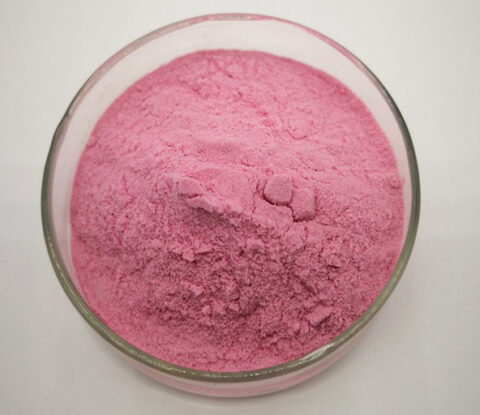
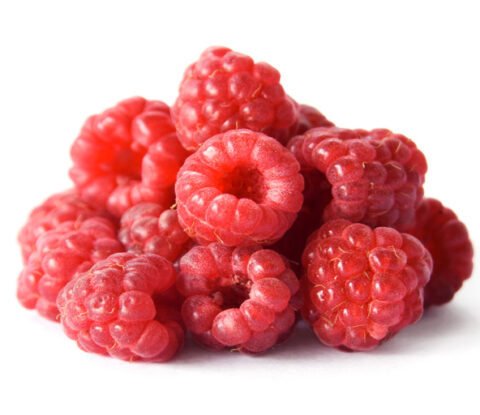


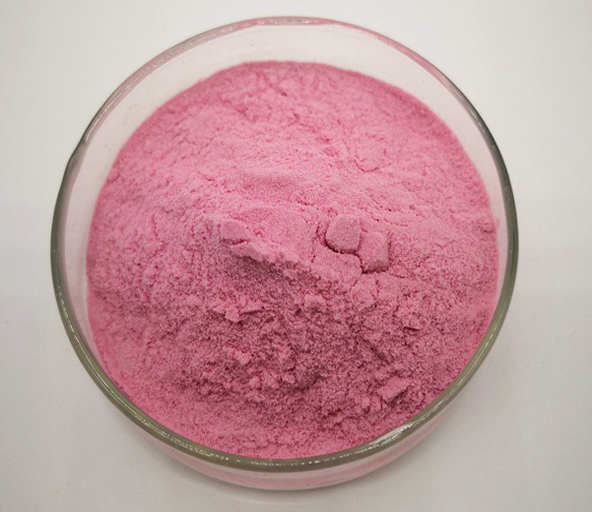
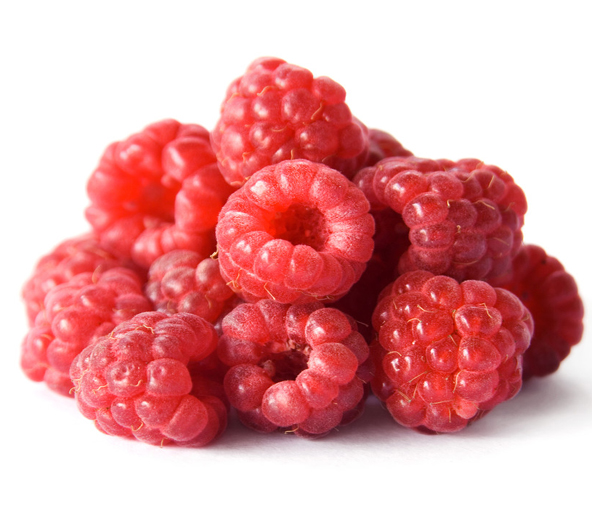
The core pharmacological effects of raspberry instant powder stem from its rich tannins and anthocyanins. They are metabolized by the intestine into active substances such as urolithin, which have strong antioxidant, anti-inflammatory, and metabolic improving functions. Research has confirmed that it can regulate blood sugar, protect cardiovascular health, alleviate muscle damage after exercise, and exert health benefits by regulating gut microbiota.

Raspberry Fruit Extract Powder 10:1 TLC, Raspberry Instant Powder
【Botanical source】: Rubus corchorifolius L. f.
【Part used】: Fruit
【Specification】: 10:1TLC, Raspberry Instant Powder
【Extraction solvents】: Water
【Appearance】: Red fine powder
【Particle size】: 95% pass 80 mesh size
【Main ingredients】: Raspberry mainly contains tannic acid, anthocyanins (such as cyanidin-3-glucoside), flavonoids (quercetin, kaempferol), vitamin C, organic acids (salicylic acid, citric acid), and dietary fiber. Its seed oil is rich in linoleic acid, alpha linolenic acid, and tocopherols. These ingredients endow it with antioxidant, anti-inflammatory, and metabolic regulating activities, making it a typical functional berry ingredient combination.
【Storage conditions】:Store at room temperature in a sealed manner, away from light, and in a ventilated, cool, and dry environment.
【Shelf life】: 24 months from the production date
Raspberry Fruit Extract Powder Production Flowchart
Raspberry Fruit raw materials -Coarse powder(40 mesh) -Low temperature water extraction – 1st Reflux Extraction(10 times water,2 Hrs) – 2nd Reflux Extraction8 times water,1.5 Hrs) – 3rd Reflux Extraction(6 times water,1 Hrs) – Extraction Solution-combine&Filtrate-Concentrate-Extractum-spray drying – screening – packaging – detection of physical and chemical indicators – warehousing
Specification Sheet of Raspberry Fruit Extract Powder
| Product name: | Raspberry Fruit Extract | ||
| Specification: | 10:1 TLC | ||
| Part used: | Fruit of Rubus corchorifolius L. f. | ||
| Solvent used: | Water | ||
| Process: | Raw materials crushed, extracted, concentrated and spray-dried to powder | ||
| Non GMO according to regulation (EC) 1829/2003 and 1830/2003 or United States requirements. Non allergen according to Directive 2007/68 amending Annex IIIa to Directive 2000/13/EC and US Food allergen labelling and consumer protection act 2004. | |||
| Heavy Metals: | |||
| Lead: | NMT 3ppm | Cadmium: | NMT 1ppm |
| Arsenic: | NMT 2ppm | Mercury: | NMT 1ppm |
| Residual solvents: | Comply to USP | ||
| Pesticides residues: | Conform to Regulation USP<561> | ||
| Microbiology: | |||
| Total plate count: | 10000cfu/g Max | Yeasts and molds: | 1000cfu/g Max |
| E.coli: | Not detected in (g)10 | Salmonella spp.: | Not detected in (g)25 |
| Staphylococcus aureus: | Not detected in (g)10 | Clostridium spp.: | Not Present in 0.1 g of food |
| Organoleptic quality | Method | Specifications | |
| Aspect: | Visual : ( CQ-MO-148) | Powder | |
| Color: | Visual : ( CQ-MO-148) | Red | |
| Flavor: | Sensory: (CQ-MO-148) | Characteristic | |
| Analytical quality | Method | Specifications | |
| Identification: | TLC | Conform | |
| Loss on drying: | USP <731> | < 10% | |
| Bulk density: | USP <616> Method I | 40 – 60 g/100mL | |
| Particle size: | Analytical sieving || USP <786> | 100% through 80meshes | |
| Packaging suitable for foodstuff. | |||
Extended Reading
Modern Research on Raspberry (Rubus idaeus) Instant Powder
Chemical Components
Raspberry instant powder, produced via freeze-drying or spray-drying, aims to preserve the fresh fruit’s bioactive profile. Key components identified through modern chromatography (HPLC-MS, GC-MS) include:
- Polyphenols & Flavonoids (Primary Bioactives):
- Ellagitannins & Ellagic Acid: Raspberries are one of the richest dietary sources. Metabolized by gut microbiota to urolithins (A, B), which are systemically bioactive.
- Anthocyanins: Cyanidin-3-sophoroside, cyanidin-3-glucoside, cyanidin-3-rutinoside (responsible for red color).
- Flavonols: Quercetin, kaempferol glycosides.
- Proanthocyanidins (condensed tannins).
- Vitamins & Minerals: High in Vitamin C, manganese, magnesium, folate, and Vitamin K.
- Dietary Fiber: Both soluble (pectin) and insoluble fiber, often concentrated in the powder.
- Organic Acids: Ellagic acid, salicylic acid, citric acid, malic acid.
- Ketones: Raspberry ketone (4-(4-hydroxyphenyl)butan-2-one) – present in very low concentrations (<2 mg/kg fresh weight) but often concentrated in supplements marketed for weight loss.
Health Benefits (Evidence-Based)
- Antioxidant & Anti-inflammatory Activity
- High ORAC Value: The polyphenol complex, particularly ellagitannins and anthocyanins, provides potent free radical scavenging capacity, reducing oxidative stress markers (MDA, protein carbonyls) in vivo.
- NF-κB Inhibition: Downregulates pro-inflammatory cytokines (TNF-α, IL-6, IL-1β) and COX-2 expression, demonstrated in models of metabolic syndrome and arthritis.
- Metabolic Health & Weight Management
- Improves Insulin Sensitivity: Human and animal studies show reduced postprandial glucose and improved insulin response, attributed to polyphenol-induced inhibition of carbohydrate-digesting enzymes (α-amylase, α-glucosidase) and improved adipose tissue function.
- Raspberry Ketone Caution: Purified raspberry ketone at very high, non-dietary doses promotes norepinephrine-induced lipolysis in animal fat cells. However, the amount in whole fruit or reasonable powder doses is pharmacologically negligible for weight loss. Weight management benefits from powder are more likely due to fiber content and metabolic improvements from polyphenols.
- Cardiovascular Health
- Improves endothelial function (increased NO bioavailability) and reduces systolic blood pressure in pre-hypertensive subjects.
- Reduces oxidation of LDL cholesterol and improves lipid profiles in dyslipidemic models.
- Anti-cancer Potential (Preclinical)
- Ellagic acid and urolithins induce apoptosis, inhibit proliferation, and reduce inflammation in cell lines of colon, breast, prostate, and oral cancers. Effects are strongly mediated by the gut microbiome’s production of urolithins. Human epidemiological data is suggestive but not conclusive.
- Exercise Recovery & Muscle Soreness
- Emerging research indicates raspberry powder reduces oxidative stress and inflammation post-exercise, attenuating muscle damage and perceived soreness in athletes, possibly via anthocyanin action.
- Gut Health
- Dietary fiber acts as a prebiotic. Ellagitannins are metabolized by specific gut bacteria (Gordonibacter spp.) into bioavailable urolithins, creating a prebiotic-like effect that modulates the microbiome.
Interactions
- Anticoagulant/Antiplatelet Drugs (Warfarin, Aspirin): LOW-MODERATE RISK. Contains vitamin K (~10 µg/serving) and salicylates. While unlikely at dietary powder doses, very high intakes could theoretically affect vitamin K-sensitive warfarin therapy or provide antiplatelet effects.
- Cytochrome P450: In vitro, ellagic acid can inhibit CYP1A1, 1B1, and induce CYP2C9. Clinical significance is unknown but likely low at dietary doses.
- Antidiabetic Drugs: Potential additive hypoglycemic effect due to improved insulin sensitivity; monitor blood glucose.
- Iron Absorption: Polyphenols may inhibit non-heme iron absorption. Separate intake from iron supplements by 1-2 hours.
Taboos & Warnings
- Salicylate Sensitivity/ASA Allergy: Contains natural salicylates; individuals with severe sensitivity should exercise caution.
- Kidney Stones (Oxalate): Contains oxalates; individuals with a history of calcium-oxalate stones should moderate intake and ensure adequate hydration.
- “Raspberry Ketone” Supplements vs. Whole Powder: Crucial Distinction. Marketed weight-loss supplements containing high-dose, isolated synthetic raspberry ketone are not equivalent to whole fruit powder. These supplements lack safety data and have been associated with palpitations, jitteriness, and potential hepatotoxicity.
- Pregnancy: Whole fruit powder in dietary amounts is safe. However, medicinal doses or concentrated ketone supplements should be avoided.
- Allergy: Rare, but possible, especially in individuals with berry allergies.
Applications
- Functional Foods & Beverages: Added to smoothies, yogurts, cereals, baked goods, sports nutrition bars, and instant beverages for flavor, color, and functional health claims.
- Nutraceuticals: Encapsulated as a concentrated antioxidant and metabolic health supplement.
- Natural Colorant: Anthocyanin-rich powder provides a stable red/pink hue.
- Cosmeceuticals: Incorporated into skincare for antioxidant and anti-inflammatory benefits targeting redness and aging.
- Clinical Nutrition: Used in dietary interventions for metabolic syndrome, prediabetes, and cardiovascular health research.
References
- Burton-Freeman, B. M., et al. (2016). Red raspberries and their bioactive polyphenols: Cardiometabolic and neuronal health links. Advances in Nutrition, 7(1), 44-65. (Comprehensive review of mechanisms)
- Liu, M., et al. (2020). Effects of red raspberry consumption on metabolic syndrome risk factors: A systematic review and meta-analysis of randomized controlled trials. Journal of Functional Foods, 73, 104087.
- González-Sarrías, A., et al. (2017). The gut microbiota urolithin metabotypes revisited: The human metabolism of ellagic acid is mainly determined by aging. Food & Function, 8(5), 1777-1788. (Key paper on ellagitannin metabolism)
- Norberto, S., et al. (2013). The effect of raspberry intake on oxidative stress and inflammation in obesity-diabetes syndrome: A randomized controlled trial. Journal of Nutritional Biochemistry, 24(12), 2068-2075. (Clinical trial)
- Jean-Gilles, D., et al. (2012). Anti-inflammatory effects of polyphenolic-enriched red raspberry extract in an antigen-induced arthritis rat model. Journal of Agricultural and Food Chemistry, 60(23), 5755-5762.
- Skrovankova, S., et al. (2015). Bioactive compounds and antioxidant activity in different types of berries. International Journal of Molecular Sciences, 16(10), 24673-24706.
- Zhang, H., et al. (2022). Effects of raspberry supplementation on exercise-induced muscle damage and oxidative stress in athletes: A systematic review. Nutrients, 14(17), 3513.
- FDA Warning Letter (2017). FDA advises dietary supplement manufacturers to remove comments that raspberry ketone products cause weight loss. (Regulatory warning on ketone claims)
- Oregon Raspberry & Blackberry Commission. (2021). Red Raspberry Production Guide. (Includes compositional data)
- Bowen-Forbes, C. S., et al. (2010). Anthocyanin content, antioxidant, anti-inflammatory and anticancer properties of blackberry and raspberry fruits. Journal of Food Composition and Analysis, 23(6), 554-560.
- López-Posadas, R., et al. (2010). Modulation of the immune response by polyphenols in the colitis associated cancer. Inflammatory Bowel Diseases, 16(9), 1532-1543. (Includes raspberry ellagitannins)
- Clinical Study: Schell, J., et al. (2019). A randomized, double-blind, placebo-controlled trial to assess the anti-glycemic effects of red raspberry leaf and fruit extract in pre-diabetic adults. Journal of Diabetes Research, 2019, 7148293.
Note: This summary is for informational purposes. It may interact with medications and is contraindicated in certain conditions. Consult a healthcare professional before therapeutic use, particularly regarding its estrogenic activity.