
Red Cabbage Extract Powder 10:1, 20:1, 50:1 TLC
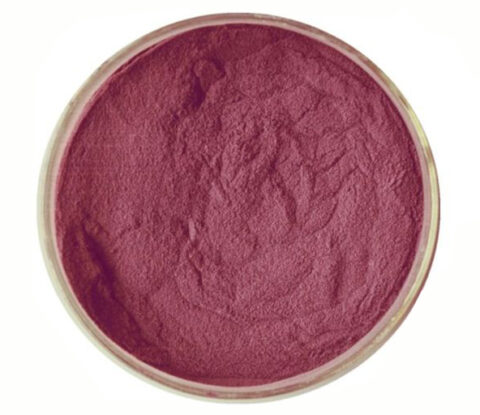
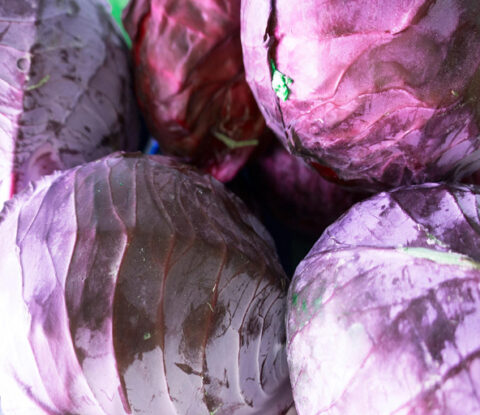


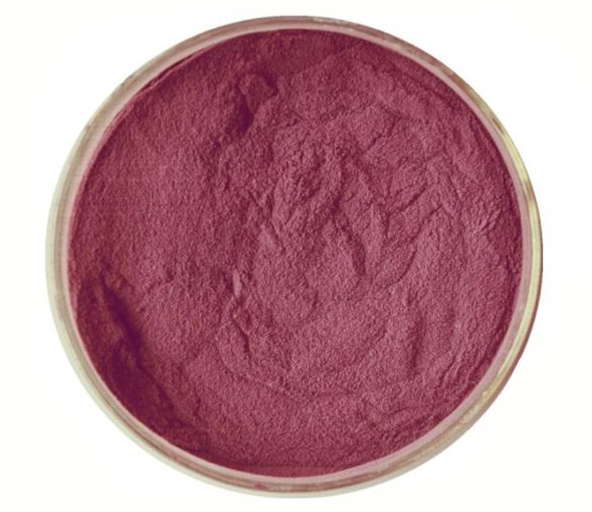
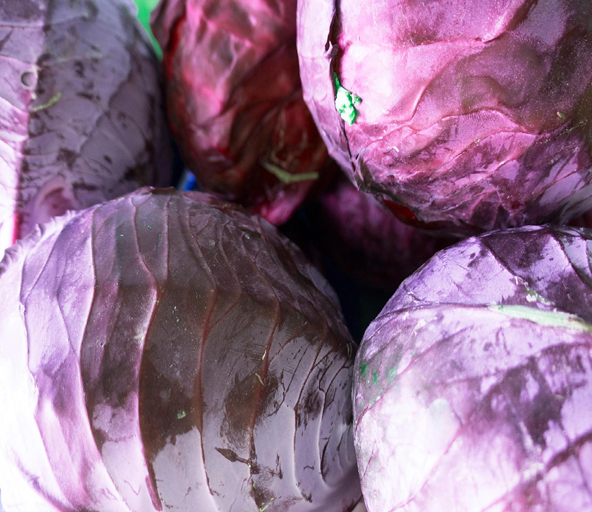
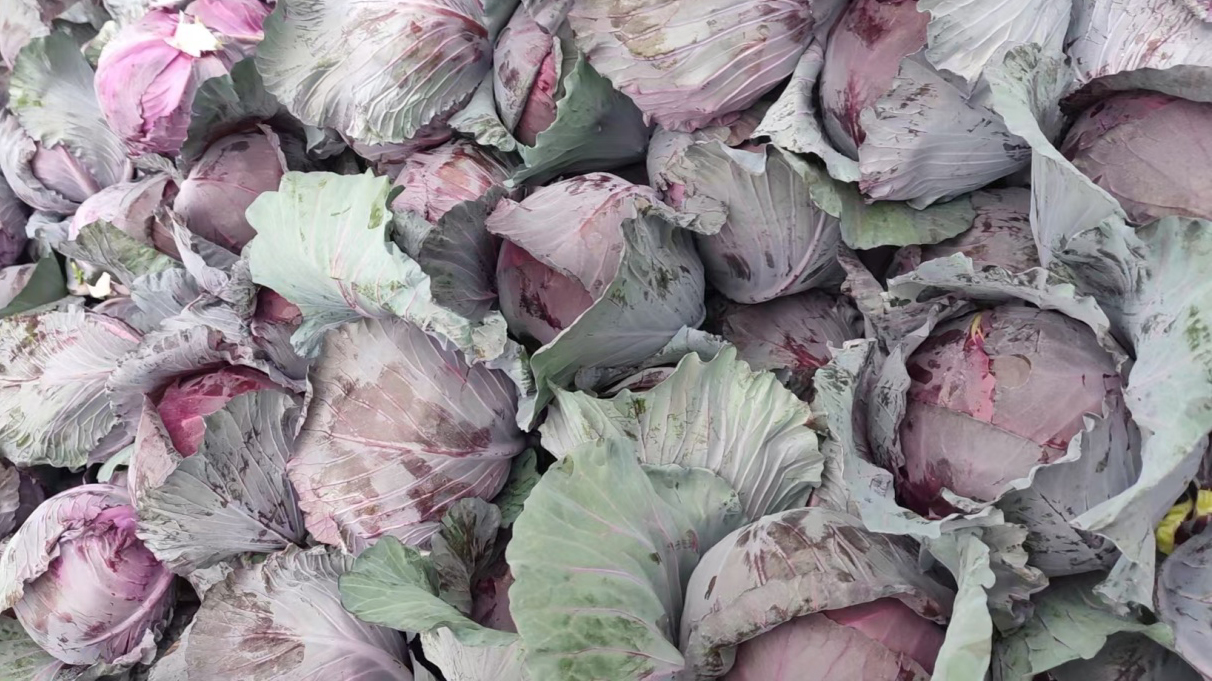
Red cabbage extract is rich in anthocyanins and glucosinolates, with its core benefits being strong antioxidant and anti-inflammatory properties, which help reduce the risk of chronic diseases; Its active ingredients have been proven to have anti-cancer and cardiovascular protective effects, while also assisting in regulating blood sugar, protecting the liver and gastric mucosa, and possibly improving digestive health by regulating gut microbiota.

Red Cabbage Extract Powder 10:1, 20:1, 50:1 TLC
【Botanical source】: Brassica oleracea var. capitata rubra
【Part used】: Leaves
【Specification】: 10:1, 20:1, 50:1 TLC,
【Extraction solvents】: Water
【Appearance】: Red purple fine powder
【Particle size】: 95% pass 80 mesh size
【Main ingredients】: Red cabbage is rich in active ingredients such as anthocyanins (mainly cyanidins), vitamin C, vitamin K, and glucosinolates. In addition, it also contains abundant dietary fiber, various minerals (such as potassium and calcium), and polyphenolic substances. These ingredients together endow it with powerful antioxidant and anti-inflammatory properties, and help maintain cardiovascular and intestinal health.
【Storage conditions】:Store at room temperature in a sealed manner, away from light, and in a ventilated, cool, and dry environment.
【Shelf life】: 24 months from the production date
Red Cabbage Extract Powder Production Flowchart
Red cabbage raw materials -Coarse powder(40 mesh) -Low temperature water extraction – 1st Reflux Extraction(10 times water,2 Hrs) – 2nd Reflux Extraction8 times water,1.5 Hrs) – 3rd Reflux Extraction(6 times water,1 Hrs) – Extraction Solution-combine&Filtrate-Concentrate-Extractum-spray drying – screening – packaging – detection of physical and chemical indicators – warehousing
Specification Sheet of Red Cabbage Extract Powder
| Product name: | Red Cabbage Extract | ||
| Specification: | 10:1 TLC | ||
| Part used: | Leaves of Brassica oleracea var. capitata rubra | ||
| Solvent used: | Water | ||
| Process: | Raw materials crushed, extracted, concentrated and spray-dried to powder | ||
| Non GMO according to regulation (EC) 1829/2003 and 1830/2003 or United States requirements. Non allergen according to Directive 2007/68 amending Annex IIIa to Directive 2000/13/EC and US Food allergen labelling and consumer protection act 2004. | |||
| Heavy Metals: | |||
| Lead: | NMT 3ppm | Cadmium: | NMT 1ppm |
| Arsenic: | NMT 2ppm | Mercury: | NMT 1ppm |
| Residual solvents: | Comply to USP | ||
| Pesticides residues: | Conform to Regulation USP<561> | ||
| Microbiology: | |||
| Total plate count: | 10000cfu/g Max | Yeasts and molds: | 1000cfu/g Max |
| E.coli: | Not detected in (g)10 | Salmonella spp.: | Not detected in (g)25 |
| Staphylococcus aureus: | Not detected in (g)10 | Clostridium spp.: | Not Present in 0.1 g of food |
| Organoleptic quality | Method | Specifications | |
| Aspect: | Visual : ( CQ-MO-148) | Powder | |
| Color: | Visual : ( CQ-MO-148) | Red purple | |
| Flavor: | Sensory: (CQ-MO-148) | Characteristic | |
| Analytical quality | Method | Specifications | |
| Identification: | TLC | Conform | |
| Loss on drying: | USP <731> | < 10% | |
| Bulk density: | USP <616> Method I | 40 – 60 g/100mL | |
| Particle size: | Analytical sieving || USP <786> | 100% through 80meshes | |
| Packaging suitable for foodstuff. | |||
Extended Reading
Modern Pharmacological Effects of Red Cabbage Extract
Red cabbage (Brassica oleracea var. capitata f. rubra) extract is a concentrated source of potent bioactive compounds, with its distinctive purple-red color originating from a high concentration of anthocyanins (primarily cyanidin glucosides). It is also rich in glucosinolates (and their hydrolysis products like sulforaphane and indole-3-carbinol), phenolic acids, flavonoids, and vitamins (notably vitamin C and K). Modern research has moved beyond its nutritional value to reveal a broad spectrum of pharmacological activities.
Key Pharmacological Effects:
- Antioxidant & Anti-inflammatory: The anthocyanin and polyphenol complex provides exceptional free radical scavenging and metal chelating capacity, significantly reducing oxidative stress. This directly translates to potent anti-inflammatory effects, mediated through the downregulation of key inflammatory mediators (e.g., TNF-α, IL-6, COX-2, iNOS) via inhibition of the NF-κB and MAPK signaling pathways.
- Chemopreventive & Anticancer: This is a major area of research. The glucosinolate-derived compounds, particularly sulforaphane and indole-3-carbinol, are well-studied for their chemopreventive properties. They modulate carcinogen metabolism (inducing Phase II detoxification enzymes), inhibit cancer cell proliferation, induce apoptosis (programmed cell death), and arrest the cell cycle in various in vitro and in vivo cancer models (e.g., breast, colon, prostate).
- Cardioprotective: The extract contributes to cardiovascular health through multiple mechanisms. Its antioxidants prevent the oxidation of low-density lipoprotein (LDL) cholesterol, a key step in atherosclerosis. It also promotes vasorelaxation, helps modulate blood pressure, and improves the lipid profile by reducing triglycerides and total cholesterol.
- Hepatoprotective & Anti-obesity: Studies show protective effects against liver steatosis (fatty liver) and damage induced by high-fat diets or toxins. The extract reduces hepatic lipid accumulation, inflammation, and fibrosis. Its bioactive compounds also influence adipocyte metabolism, reducing fat accumulation and exhibiting potential benefits in managing obesity and metabolic syndrome.
- Gastroprotective: The anthocyanins and other polyphenols have demonstrated a protective effect on the gastric mucosa, reducing the severity of ulcers induced by ethanol or stress. This is attributed to their antioxidant and anti-inflammatory actions, which strengthen the mucosal barrier.
- Anti-diabetic Potential: Red cabbage extract shows anti-hyperglycemic effects by inhibiting carbohydrate-digesting enzymes (α-amylase, α-glucosidase), thereby slowing glucose absorption. It also improves insulin sensitivity and protects pancreatic β-cells from oxidative damage.
- Neuroprotective Potential: Emerging evidence suggests that its anthocyanins can cross the blood-brain barrier. They exert protective effects in models of neurodegeneration by reducing neuroinflammation, oxidative stress in neural tissues, and improving cognitive function.
Conclusion
Red cabbage extract is a powerful functional food ingredient with multifaceted pharmacological effects. Its activities, driven by the synergistic action of anthocyanins and glucosinolate derivatives, are particularly significant in cancer prevention, attenuation of chronic inflammation, and protection against metabolic and cardiovascular diseases. It represents a compelling example of food as medicine in preventive health strategies.
References
- Ahmadian, M., et al. (2022). Red cabbage anthocyanins: Chemistry, extraction, and biological activities. Food Chemistry, 393, 133397.
- Hwang, E. S., & Thi, N. D. (2014). Effects of different cooking methods on the antioxidant properties of red cabbage. Food Science and Biotechnology, 23(3), 979-985.
- Jin, H., et al. (2021). Sulforaphane from cruciferous vegetables: Recent insights into its molecular mechanisms of action against cancer. Frontiers in Nutrition, 8, 678745.
- Khoo, H. E., et al. (2017). Anthocyanidins and anthocyanins: Colored pigments as food, pharmaceutical ingredients, and the potential health benefits. Food & Nutrition Research, 61(1), 1361779.
- Liang, Y., et al. (2020). Red cabbage protects the liver from high-fat diet-induced oxidative stress and inflammation by regulating Nrf2 and NF-κB pathways. Journal of Functional Foods, 73, 104132.
- Murador, D. C., et al. (2018). Bioavailability and biological effects of bioactive compounds from red cabbage after cooking and storage. Antioxidants, 7(9), 114.
- Podsedek, A. (2007). Natural antioxidants and antioxidant capacity of Brassica vegetables: A review. *LWT – Food Science and Technology, 40*(1), 1-11.
- Šamec, D., et al. (2021). The role of polyphenols in abrogating chemotherapy-induced side effects. Antioxidants, 10(1), 107. (Includes discussion on Brassica vegetables).
- Tarozzi, A., et al. (2013). Neuroprotective effects of cyanidin 3-O-glucopyranoside on amyloid beta (25-35) oligomer-induced toxicity. Neuroscience Letters, 534, 285-288.
- Zhao, D., et al. (2018). Red cabbage ameliorates dextran sulfate sodium-induced colitis in mice through modulation of gut microbiota and inflammation. Journal of Agricultural and Food Chemistry, 66(44), 11631-11640.
Note: This summary is for informational purposes. It may interact with medications and is contraindicated in certain conditions. Consult a healthcare professional before therapeutic use, particularly regarding its estrogenic activity.