
Ganoderma lucidum (Lingzhi/Reishi) Extract Powder 10:1, 20:1, 50:1 TLC

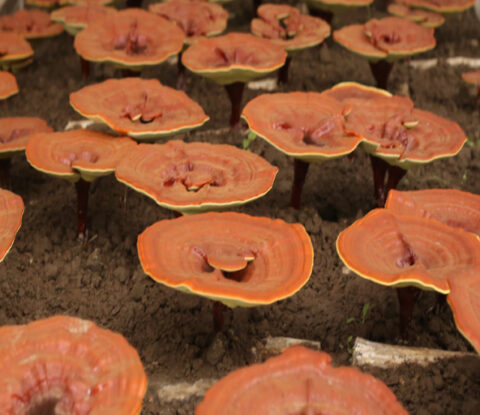


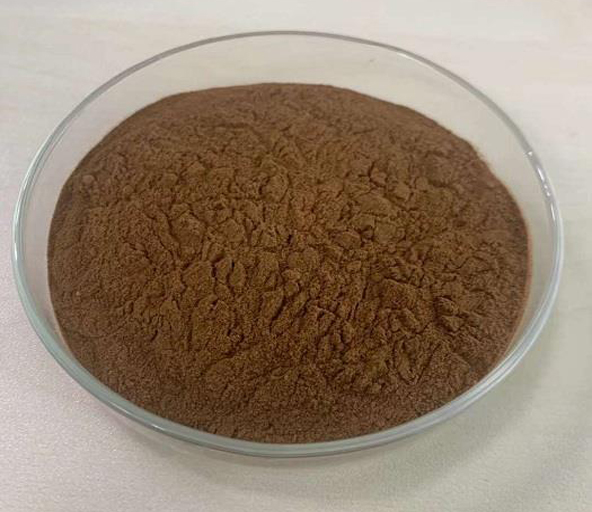
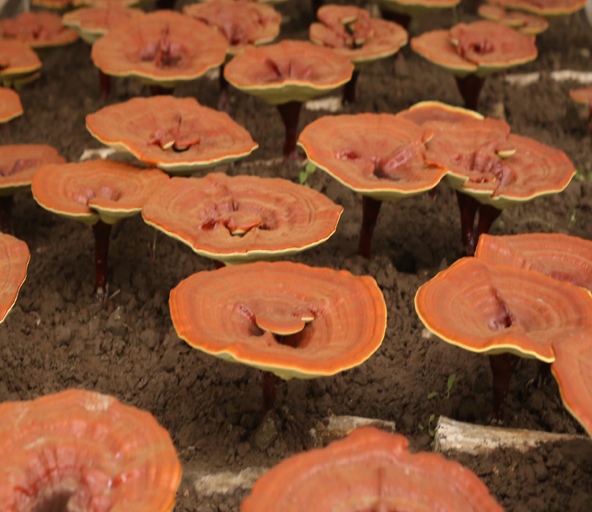
Ganoderma lucidum extract can significantly alleviate pathological damage and improve liver function in mice with cirrhosis. This effect may be related to its activation of the Nrf2/ARE pathway, inhibition of oxidative stress and inflammatory response, and intervention in liver fibrosis. In addition, Ganoderma lucidum extract has been proven to have various effects such as anti-tumor, hypoglycemic, lipid-lowering, antioxidant, and anti-inflammatory properties.

Ganoderma lucidum (Lingzhi/Reishi) Extract Powder 10:1, 20:1, 50:1 TLC
【Botanical source】: Ganoderma Lucidum(Leyss ex Fr.)Karst
【Part used】: Mycelium&fruiting body
【Specification】: 10:1 20:1 50:1TLC
【Appearance】: Brownish fine powder
【Extraction solvents】: Water
【Particle size】: 95% pass 80 mesh size
【Main ingredients】: It mainly contains amino acids, peptides, proteins, as well as sugars (reducing sugars and polysaccharides), ergosterol, triterpenoids, coumarin glycosides, volatile oils, stearic acid, benzoic acid, alkaloids, vitamin B2 and C, etc; Spores also contain mannitol and trehalose.
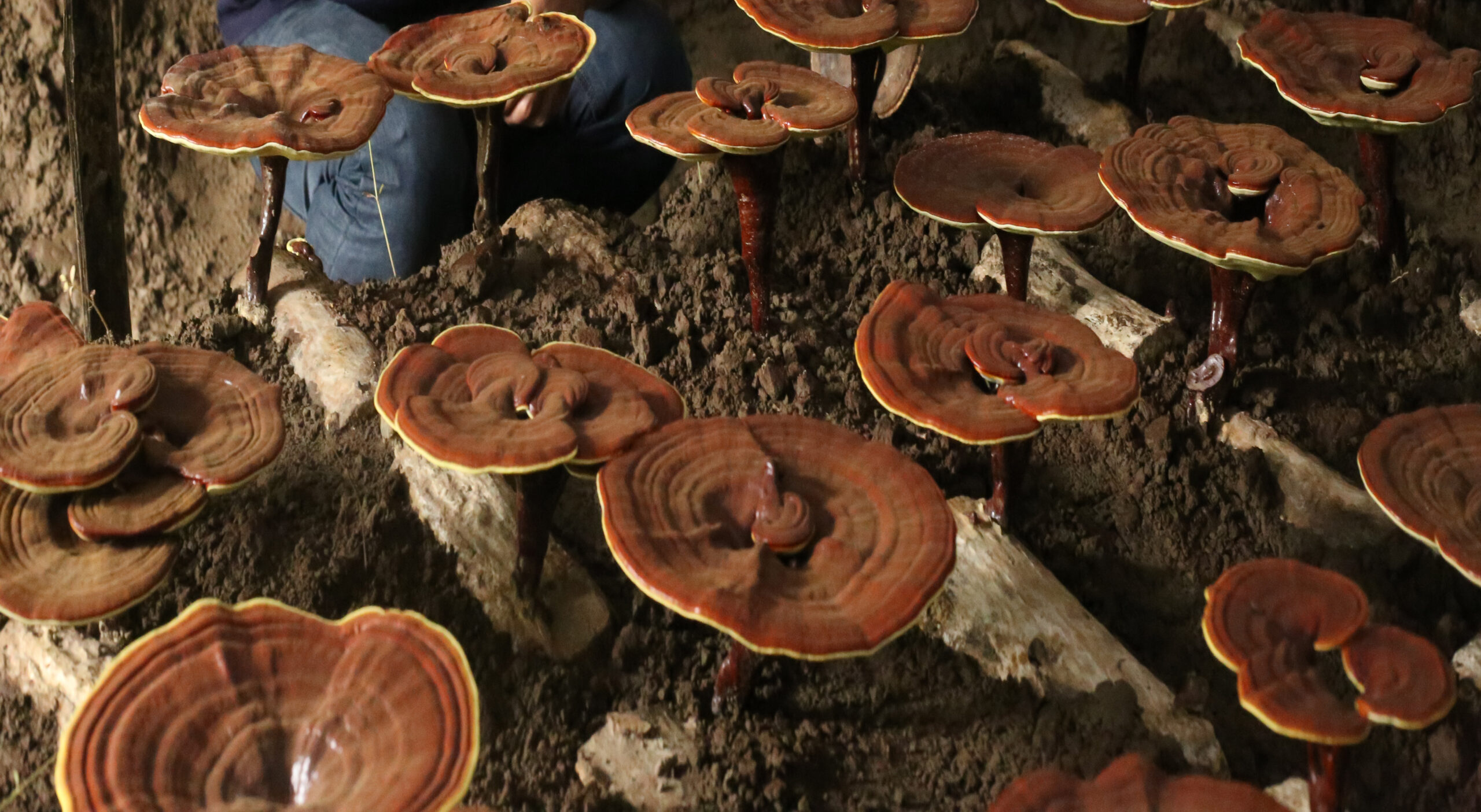
Ganoderma lucidum (Lingzhi/Reishi) Extract Extract Powder Production Flowchart
Reishi fruitingbody raw materials -Coarse powder(40 mesh) -Low temperature water extraction – 1st Reflux Extraction(10 times water,2 Hrs) – 2nd Reflux Extraction8 times water,1.5 Hrs) – 3rd Reflux Extraction(6 times water,1 Hrs) – Extraction Solution-combine&Filtrate-Concentrate-Extractum-spray drying – screening – packaging – detection of physical and chemical indicators – warehousing
Specification Sheet of Ganoderma lucidum (Lingzhi/Reishi) Extract Powder
| Product name: | Reishi Mushroom Extract | ||
| Specification: | 10:1 TLC | ||
| Part used: | Fruitingbody of Ganoderma Lucidum(Leyss ex Fr.)Karst | ||
| Solvent used: | Water | ||
| Process: | Raw materials crushed, extracted, concentrated and spray-dried to powder | ||
| Non GMO according to regulation (EC) 1829/2003 and 1830/2003 or United States requirements. Non allergen according to Directive 2007/68 amending Annex IIIa to Directive 2000/13/EC and US Food allergen labelling and consumer protection act 2004. | |||
| Heavy Metals: | |||
| Lead: | NMT 3ppm | Cadmium: | NMT 1ppm |
| Arsenic: | NMT 2ppm | Mercury: | NMT 1ppm |
| Residual solvents: | Comply to USP | ||
| Pesticides residues: | Conform to Regulation USP<561> | ||
| Microbiology: | |||
| Total plate count: | 10000cfu/g Max | Yeasts and molds: | 1000cfu/g Max |
| E.coli: | Not detected in (g)10 | Salmonella spp.: | Not detected in (g)25 |
| Staphylococcus aureus: | Not detected in (g)10 | Clostridium spp.: | Not Present in 0.1 g of food |
| Organoleptic quality | Method | Specifications | |
| Aspect: | Visual : ( CQ-MO-148) | Powder | |
| Color: | Visual : ( CQ-MO-148) | Brownish yellow | |
| Flavor: | Sensory: (CQ-MO-148) | Characteristic | |
| Analytical quality | Method | Specifications | |
| Identification: | TLC | Conform | |
| Loss on drying: | USP <731> | < 10% | |
| Bulk density: | USP <616> Method I | 40 – 60 g/100mL | |
| Particle size: | Analytical sieving || USP <786> | 100% through 80meshes | |
| Packaging suitable for foodstuff. | |||
Extended Reading
Modern Pharmacological Research on Ganoderma lucidum (Lingzhi/Reishi) Extracts
- Key Bioactive Components
- Polysaccharides (especially β-D-glucans): Major immunomodulators.
- Triterpenoids (ganoderic acids, lucidenic acids): Anti-inflammatory and cytotoxic agents.
- Peptides & Proteins (lingzhi-8, ganodermin): Immunomodulatory and antimicrobial.
- Sterols, Nucleotides, and Trace Minerals.
- Major Pharmacological Activities
- Immunomodulation
- Mechanism: β-glucans bind to immune cell receptors (e.g., dectin-1, TLRs), activating macrophages, NK cells, dendritic cells, and T/B lymphocytes. Modulates cytokine networks (↑IL-2, IFN-γ; ↓IL-6, TNF-α in chronic inflammation).
- Evidence: Well-established in preclinical models; clinical studies support adjunctive use in cancer immunotherapy and chronic infection management.
- Antitumor & Adjuvant Cancer Therapy
- Mechanism:
- Inhibits tumor proliferation, angiogenesis (VEGF suppression), and metastasis (MMP inhibition).
- Enhances chemotherapy/radiotherapy efficacy while reducing side effects (myeloprotection).
- Synergizes with immune checkpoint inhibitors in animal models.
- Evidence: Meta-analyses of RCTs show improved quality of life and immune parameters in cancer patients, though direct tumor regression in humans requires more evidence.
- Antioxidant & Anti-aging Effects
- Mechanism: Scavenges ROS/RNS; upregulates endogenous antioxidants (SOD, CAT, GSH); activates Nrf2 pathway; extends lifespan in animal models via telomerase modulation.
- Evidence: Strong cellular and animal data; human studies show reduced oxidative stress markers.
- Neuroprotection
- Mechanism: Promotes neurite outgrowth; reduces neuroinflammation (microglial inhibition); protects against β-amyloid and tau pathology.
- Evidence: Improves cognitive function in mild cognitive impairment trials; potential in Alzheimer’s/Parkinson’s models.
- Metabolic & Cardiovascular Benefits
- Mechanism:
- Antidiabetic: Improves insulin sensitivity via AMPK activation; inhibits α-glucosidase.
- Cardioprotective: Lowers blood pressure (ACE inhibition), reduces cholesterol (HMG-CoA reductase inhibition), and prevents atherosclerosis.
- Evidence: Moderate clinical evidence for metabolic syndrome; recognized as adjuvant therapy in integrative cardiometabolic care.
- Hepatoprotective & Detoxification
- Mechanism: Enhances liver detoxification enzymes (CYP450 modulation); protects against hepatotoxins (alcohol, CCl₄) via anti-inflammatory and antifibrotic actions.
- Evidence: Traditional use supported by animal and human studies on viral/chemical hepatitis.
- Antiviral & Antimicrobial
- Mechanism: Inhibits viral entry/replication (HIV, HSV, influenza); synergistic with antivirals; ganoderic acids disrupt microbial membranes.
- Evidence: Mostly in vitro and animal studies; clinical data limited to adjunctive applications.
- Safety & Toxicology
- Generally safe at recommended doses (1–5 g/day extract). Long-term use (6+ months) is common in traditional medicine.
- Side effects: Mild GI upset, dry mouth, or dizziness in sensitive individuals.
- Contraindications:
- Surgery (antiplatelet effects; discontinue 2 weeks prior).
- Autoimmune diseases (theoretical overstimulation risk).
- Pregnancy/lactation (limited safety data).
- Drug Interactions: Potentiates anticoagulants, antihypertensives, and hypoglycemics; monitor with immunosuppressants.
- Research Gaps & Challenges
- Standardization: Critical for β-glucan and triterpenoid content (e.g., >10% polysaccharides, >4% triterpenes). Product quality varies widely.
- Bioavailability: Poor absorption of high-MW polysaccharides; nanotechnology and fermentation improve delivery.
- Clinical Translation: Most human trials are small or lack rigorous design; large-scale Phase III studies needed for disease-specific claims.
- Mechanistic Complexity: Synergistic “entourage effects” among compounds are not fully mapped.
- Future Directions
- Precision Formulations: Targeted delivery systems for cancer and neurodegenerative diseases.
- Microbiome Interactions: Study of gut microbiota-mediated immunomodulation.
- Combination Therapies: Integration with conventional oncology, neurology, and metabolic disorder protocols.
Conclusion
Ganoderma lucidum extracts demonstrate broad-spectrum pharmacological activities, with the strongest evidence for immunomodulation, adjunctive cancer care, neuroprotection, and metabolic support. Its multitarget mechanisms align with holistic therapeutic approaches. While firmly established in traditional medicine and increasingly validated by modern science, it should be viewed as a complementary/adjuvant therapy rather than a primary treatment. Quality standardization and further rigorous clinical trials are essential to unlock its full potential in integrative medicine.