
Alismatis Rhizoma (Ze Xie) Extract Powder 10:1, 20:1, 50:1 TLC


The functions of Alisma in traditional Chinese medicine include promoting diuresis, eliminating dampness, relieving heat, and reducing turbidity and cholesterol. Used for urinary discomfort, swelling and fullness, diarrhea with less urine, dizziness caused by phlegm, pain caused by heat induced gonorrhea, and hyperlipidemia.

Alismatis Rhizoma (Ze Xie) Extract Powder 10:1, 20:1, 50:1 TLC
【Other names】: Ze Xie, Rhizoma Alismatis, Oriental Waterplantain Rhizome
【Botanical source】: Alisma orientale(Sam.)Juzep. or Alisma plantago-aquatica Linn.
【Part used】: Dried tubers of Alisma orientale (Sam.) Juzep or Alisma plantago aquatica Linn in the family Alismataceae. When the winter stems and leaves begin to wither, dig, wash, dry, and remove the roots and rough skin.
【Specification】: 10:1, 20:1, 50:1 TLC
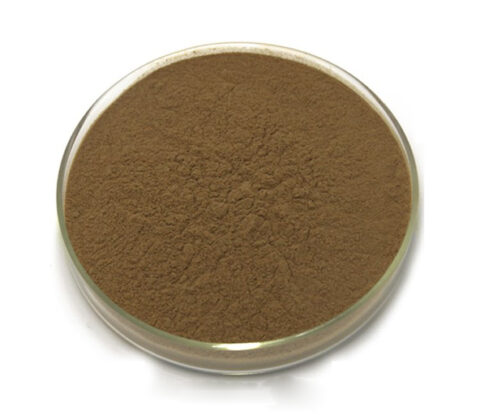
【Appearance】: Brownish yellow fine powder
【Particle size】: 95% pass 80 mesh size
Alismatis Rhizoma (Ze Xie) Extract Powder Production Flowchart
Alismatis Rhizoma (Ze Xie) raw materials – natural air drying–Coarse powder(40 mesh) -Low temperature water extraction – 1st Reflux Extraction(10 times water,2 Hrs) – 2nd Reflux Extraction8 times water,1.5 Hrs) – 3rd Reflux Extraction(6 times water,1 Hrs) – Extraction Solution-combine&Filtrate-Concentrate-Extractum-spray drying – screening – packaging – detection of physical and chemical indicators – warehousing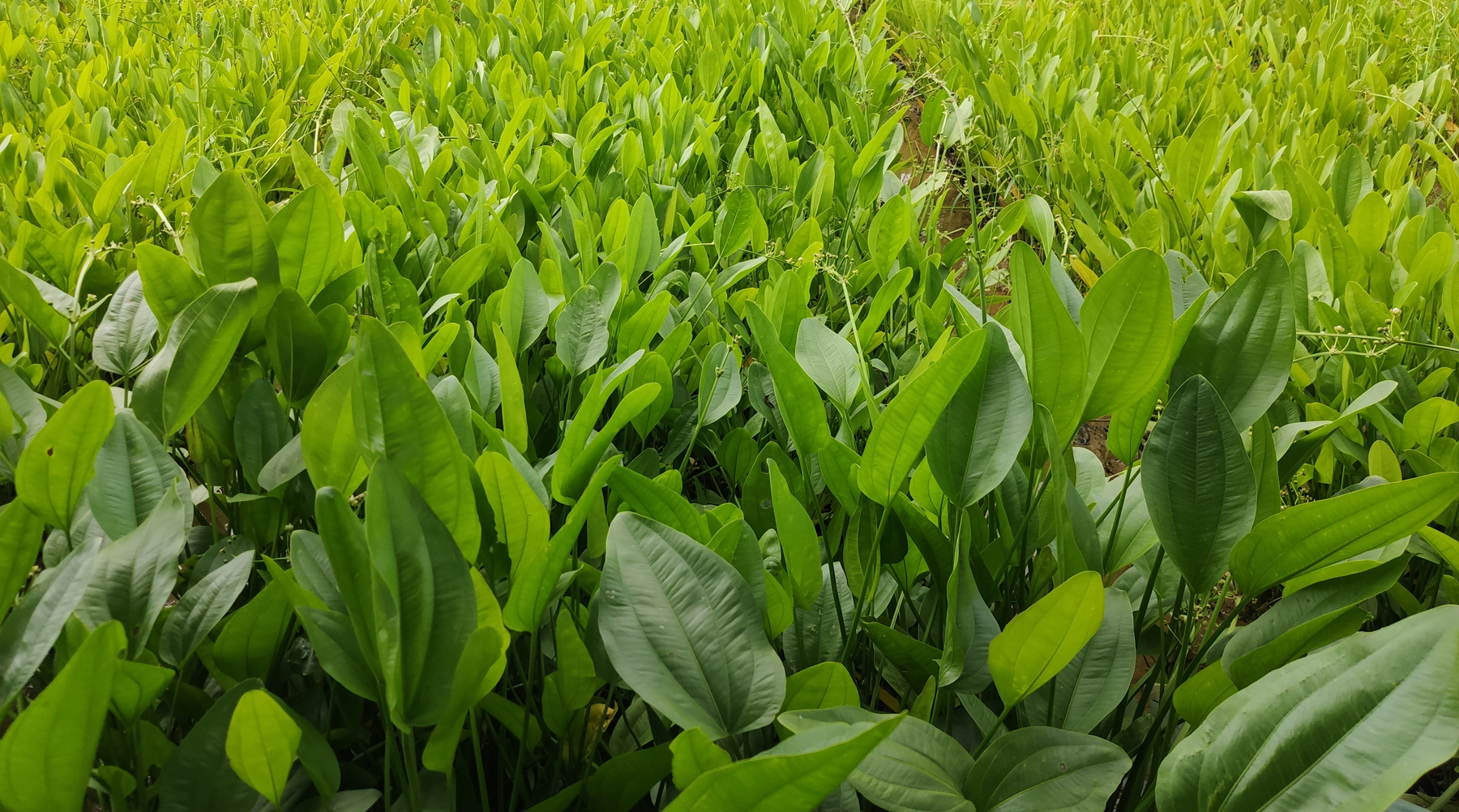
Specification Sheet of Alismatis Rhizoma (Ze Xie) Extract Powder
| Product name: | Ze Xie Extract | ||
| Specification: | 10:1 TLC | ||
| Part used: | Dried roots of Alisma plantago-aquatica Linn | ||
| Solvent used: | Hot water | ||
| Process: | Raw materials crushed, extracted, concentrated and spray-dried to powder | ||
| Non GMO according to regulation (EC) 1829/2003 and 1830/2003 or United States requirements. Non allergen according to Directive 2007/68 amending Annex IIIa to Directive 2000/13/EC and US Food allergen labelling and consumer protection act 2004. | |||
| Heavy Metals: | |||
| Lead: | NMT 3ppm | Cadmium: | NMT 1ppm |
| Arsenic: | NMT 2ppm | Mercury: | NMT 1ppm |
| Residual solvents: | Comply to USP | ||
| Pesticides residues: | Conform to Regulation USP<561> | ||
| Microbiology: | |||
| Total plate count: | 10000cfu/g Max | Yeasts and molds: | 1000cfu/g Max |
| E.coli: | Not detected in (g)10 | Salmonella spp.: | Not detected in (g)25 |
| Staphylococcus aureus: | Not detected in (g)10 | Clostridium spp.: | Not Present in 0.1 g of food |
| Organoleptic quality | Method | Specifications | |
| Aspect: | Visual : ( CQ-MO-148) | Powder | |
| Color: | Visual : ( CQ-MO-148) | Offwhite/light brownish | |
| Flavor: | Sensory: (CQ-MO-148) | Characteristic | |
| Analytical quality | Method | Specifications | |
| Identification: | TLC | Conform | |
| Loss on drying: | USP <731> | < 10% | |
| Bulk density: | USP <616> Method I | 40 – 60 g/100mL | |
| Particle size: | Analytical sieving || USP <786> | 100% through 80meshes | |
| Packaging suitable for foodstuff. | |||
Extended Reading
Alismatis Rhizoma (Ze Xie) Function and Efficacy Recorded in TCM
Zexie is a very important traditional Chinese medicine medicine that promotes diuresis and dampness. It has a sweet and mild taste, is cold, and belongs to the kidney and bladder meridians. Its core function can be summarized as “promoting diuresis, moistening, and relieving heat”, especially adept at clearing dampness and heat in the kidneys and bladder.
The following are the specific roles of Alisma in traditional Chinese medicine theory:
1.Promoting water and moisture infiltration
This is the fundamental function of diarrhea. It enhances kidney function, promotes urination, and eliminates stagnant moisture in the body.
Indications for edema and poor urination: Used for water metabolism disorders caused by various reasons, such as body swelling (facial, limb, or even whole body), ascites, and poor urination.
Treatment for phlegm induced dizziness and palpitations: Traditional Chinese medicine believes that “dampness gathers into water, water stops to drink, and water condenses into phlegm”. Alisma can eliminate phlegm and drink by promoting diuresis. be used for:
Dazzling and palpitations: Dizziness, vertigo (such as Meniere’s syndrome), palpitations, and palpitations caused by internal stagnation of water and dampness, and ascending yang. The famous prescription “Zexie Tang” (consisting only of two herbs, Zexie and Atractylodes macrocephala) is a classic prescription specifically designed to treat the condition of “having a drink under the heart, causing the person to feel bitter and dizzy”.
2. Relieve heat (clearing heat from the kidneys and bladder)
This is the key characteristic that sets Alisma apart from other common diuretics such as Poria cocos. It is cold in nature and can not only promote diuresis, but also clear the deficiency fire or damp heat in the kidneys and bladder.
Main treatment for gonorrhea syndrome, including:
Hot gonorrhea: equivalent to urinary tract infection in modern medicine, characterized by frequent urination, burning sensation, and astringency. Alisma can clear and relieve dampness and heat in the bladder, as well as promote lymphatic drainage and relieve pain.
Yellow and odorous discharge: Excessive vaginal discharge, yellowish color, viscous texture, and peculiar odor caused by damp heat in women.
Indications for excessive movement of phase fire and night sweats: Traditional Chinese medicine believes that there is “phase fire” in the kidneys. If there is insufficient kidney yin, phase fire will cause excessive movement, leading to internal heat deficiency and symptoms such as night sweats (sweating after falling asleep at night), nocturnal emissions, dizziness, and tinnitus. Zexie can “eliminate phase fire”. In Liuwei Dihuang Pills, it is used together with tonics such as Rehmannia glutinosa and Cornus officinalis to prevent the tonics from nourishing and causing heat, and to clear the excessive phase fire in the kidneys, achieving the goal of “eliminating turbidity” and “preserving clarity”.
Modern Pharmacological Effects of Alismatis Rhizoma (Ze Xie)
Modern pharmacological research has largely confirmed the traditional efficacy of Alisma laxatives in promoting diuresis and promoting diuresis, and revealed more potential mechanisms of action and clinical application value. At the same time, security issues that need to be noted have also been identified. The main modern pharmacological effects of Alisma are as follows:
1. Core pharmacological effects: Diuretic and anti-inflammatory effects
This is the most direct proof of its traditional efficacy of “promoting water circulation and moistening”.
Mechanism of action: The main active ingredients in Alisma prolifera, such as triterpenoids A, B, C and their acetate esters, can significantly increase the secretion and excretion of urine.
Characteristics: Its diuretic effect is not related to the potassium salt it contains, and may even cause an increase in blood potassium when used, so it needs to be monitored carefully.
The diuretic effect varies depending on the collection season, medication location, and processing method, with the authentic product (Jian Ze Xie) collected in winter having the strongest effect.
Application: Provided scientific basis for the treatment of edema, urinary obstruction, renal edema, etc.
2. Reducing blood fat and anti atherosclerosis
This is one of the most extensively studied and well supported pharmacological effects.
Mechanism of action: interferes with cholesterol absorption: reduces the absorption of exogenous cholesterol in the small intestine.
Inhibition of cholesterol synthesis: a key enzyme that regulates cholesterol metabolism in the liver and inhibits endogenous cholesterol synthesis.
Promote cholesterol excretion: Promote the transport of cholesterol from the blood to the liver and its excretion through bile.
Protect vascular endothelium: reduce lipid peroxidation damage and inhibit the formation of atherosclerotic plaque.
Application: It is used for auxiliary treatment of hyperlipidemia and prevention of atherosclerotic cardiovascular disease.
3. Liver protective effect
Mechanism of action: It has a protective effect against acute liver injury caused by chemicals such as carbon tetrachloride.
It can reduce fat accumulation in the liver and has a certain preventive and therapeutic effect on non-alcoholic fatty liver disease. Its mechanism is related to regulating the expression of lipid metabolism related genes.
Application: Provided a basis for the use of Alisma as an adjuvant therapy for fatty liver and chemical liver injury.
4. Lowering blood sugar and improving insulin resistance
Mechanism of action: Alisma extract has certain hypoglycemic activity.
The more important role is to improve insulin resistance and improve the sensitivity of peripheral tissue to insulin, which is of great significance for the treatment of type 2 diabetes.
Application: As a potential adjuvant drug for diabetes, especially for patients with dyslipidemia and fatty liver.
5. Cardiovascular protective effect
Mechanism of action: It has a slight hypotensive effect. It can resist platelet aggregation and has a certain anti thrombotic ability.
Application: It has positive significance in the prevention and treatment of hypertension and thrombotic diseases.
6. Anti inflammatory and immune regulation
Mechanism of action: Triterpenes in Alisma have inhibitory effects on various inflammatory models, such as vascular exudation and increased capillary permeability, and can regulate immune cell function.
Application: This provides a modern pharmacological explanation for its traditional use in the treatment of “damp heat” syndrome, such as urinary tract infections (heat gonorrhea) and gynecological genital diseases.