
Rice Bran Extract Powder Ceramide 1%, 3% HPLC; 10:1, 20:1, 50:1 TLC
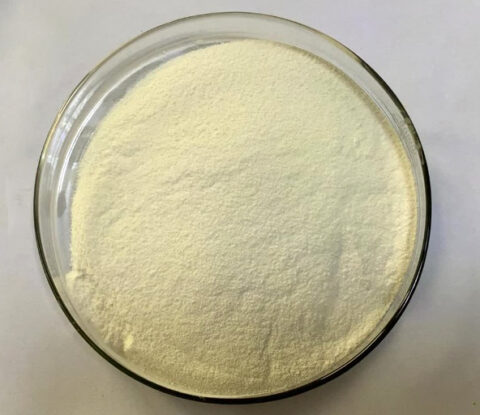
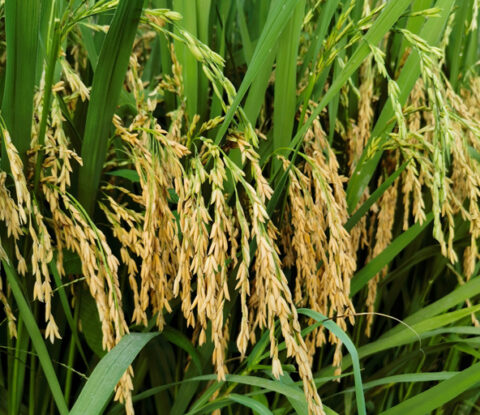


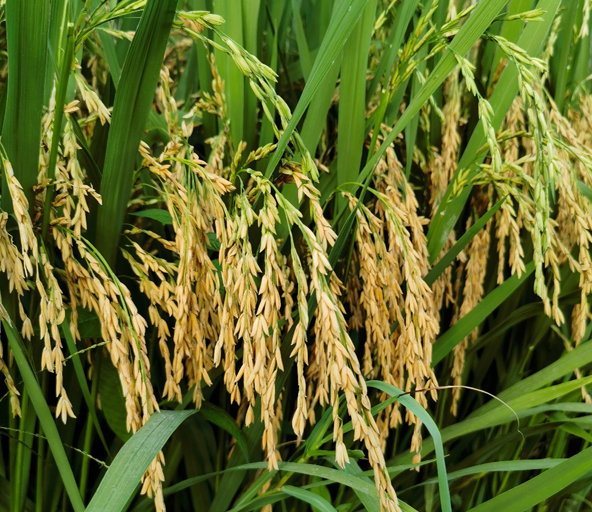

The main active ingredients of rice bran extract include gamma glutamylin, ferulic acid, tocopherol, tocotrienol, and plant sterols. Modern research has confirmed that it has multiple pharmacological effects, mainly including strong antioxidant and anti-inflammatory effects, lowering blood lipids and anti atherosclerosis, improving blood glucose and insulin resistance, neuroprotection, potential anti-cancer effects and liver protection. It is a natural functional ingredient with broad application prospects.

Rice Bran Extract Powder Ceramide 1%, 3% HPLC; 10:1, 20:1, 50:1 TLC
【Botanical source】: Oryza sativa L.
【Part used】: Bran
【Specification】: Ceramide 1%, 3% HPLC; 10:1, 20:1, 50:1 TLC
【Extraction solvents】: Water
【Appearance】: Light yellow fine powder
【Particle size】: 95% pass 80 mesh size
【Main ingredients】: The glycosphingolipids in rice bran are similar to animal glycosphingolipids, and their backbone is ceramides, including sphingoid groups containing fatty acids linked by amides. The terminal hydroxyl group is replaced by glucose. There are different types of glycosphingolipids based on the chemical structure and fatty acid composition of the sphingoid group.
【Storage conditions】:Store at room temperature in a sealed manner, away from light, and in a ventilated, cool, and dry environment.
【Shelf life】: 24 months from the production date

Rice Bran Extract Powder Production Flowchart
Rice Bran raw materials -Coarse powder(40 mesh) -Low temperature water extraction – 1st Reflux Extraction(10 times water,2 Hrs) – 2nd Reflux Extraction8 times water,1.5 Hrs) – 3rd Reflux Extraction(6 times water,1 Hrs) – Extraction Solution-combine&Filtrate-Concentrate-Extractum-spray drying – screening – packaging – detection of physical and chemical indicators – warehousing
Specification Sheet of Rice Bran Extract Powder
| Product name: | Rice Bran Extract | ||
| Specification: | 10:1 TLC | ||
| Part used: | Bran of Oryza sativa L. | ||
| Solvent used: | Water | ||
| Process: | Raw materials crushed, extracted, concentrated and spray-dried to powder | ||
| Non GMO according to regulation (EC) 1829/2003 and 1830/2003 or United States requirements. Non allergen according to Directive 2007/68 amending Annex IIIa to Directive 2000/13/EC and US Food allergen labelling and consumer protection act 2004. | |||
| Heavy Metals: | |||
| Lead: | NMT 3ppm | Cadmium: | NMT 1ppm |
| Arsenic: | NMT 2ppm | Mercury: | NMT 1ppm |
| Residual solvents: | Comply to USP | ||
| Pesticides residues: | Conform to Regulation USP<561> | ||
| Microbiology: | |||
| Total plate count: | 10000cfu/g Max | Yeasts and molds: | 1000cfu/g Max |
| E.coli: | Not detected in (g)10 | Salmonella spp.: | Not detected in (g)25 |
| Staphylococcus aureus: | Not detected in (g)10 | Clostridium spp.: | Not Present in 0.1 g of food |
| Organoleptic quality | Method | Specifications | |
| Aspect: | Visual : ( CQ-MO-148) | Powder | |
| Color: | Visual : ( CQ-MO-148) | Light yellow | |
| Flavor: | Sensory: (CQ-MO-148) | Characteristic | |
| Analytical quality | Method | Specifications | |
| Identification: | TLC | Conform | |
| Loss on drying: | USP <731> | < 10% | |
| Bulk density: | USP <616> Method I | 40 – 60 g/100mL | |
| Particle size: | Analytical sieving || USP <786> | 100% through 80meshes | |
| Packaging suitable for foodstuff. | |||
Extended Reading
Modern Pharmacological Effects of Rice Bran Extract
Rice bran extract (RBE), derived from the outer layer of the rice kernel (Oryza sativa L.), is a rich source of bioactive compounds, including γ-oryzanol, ferulic acid, tocopherols, tocotrienols, and various phytosterols. Modern pharmacological research has elucidated a wide range of therapeutic effects, positioning it as a promising nutraceutical and potential adjunct in therapeutic strategies.
Key Pharmacological Effects:
- Antioxidant and Anti-inflammatory: RBE is a potent antioxidant due to its high concentration of oryzanol, tocopherols, and ferulic acid. It effectively scavenges free radicals (e.g., DPPH, superoxide anions) and inhibits lipid peroxidation. This activity underpins its broad anti-inflammatory effects, mediated through the suppression of pro-inflammatory cytokines (e.g., TNF-α, IL-6) and enzymes like cyclooxygenase-2 (COX-2) and inducible nitric oxide synthase (iNOS).
- Hypolipidemic and Anti-atherogenic: γ-Oryzanol and tocotrienols significantly modulate lipid metabolism. They reduce serum total cholesterol, LDL-cholesterol, and triglyceride levels while increasing HDL-cholesterol. Mechanisms include inhibition of cholesterol absorption in the intestines, modulation of hepatic cholesterol synthesis, and enhancement of LDL receptor activity. These effects contribute to the prevention of atherosclerosis.
- Neuroprotective: Components like ferulic acid and tocotrienols exhibit neuroprotective properties. They cross the blood-brain barrier, reduce oxidative stress in neural tissues, inhibit β-amyloid aggregation and tau phosphorylation (pathways linked to Alzheimer’s disease), and mitigate neuroinflammation. RBE has shown potential in improving cognitive function in preclinical models of neurodegeneration.
- Antidiabetic and Metabolic Syndrome Management: RBE improves insulin sensitivity and glucose homeostasis. It enhances glucose uptake in skeletal muscles, inhibits α-glucosidase activity (slowing carbohydrate digestion), and protects pancreatic β-cells from oxidative damage. It also ameliorates key features of metabolic syndrome, including dyslipidemia and hepatic steatosis.
- Anticancer and Chemopreventive: Tocotrienols and γ-oryzanol demonstrate antiproliferative and pro-apoptotic effects against various cancer cell lines (e.g., breast, colon, prostate). They act through multiple pathways: cell cycle arrest, induction of apoptosis, inhibition of angiogenesis, and suppression of metastasis. Their antioxidant properties also contribute to chemoprevention by protecting DNA from oxidative damage.
- Hepatoprotective: RBE protects the liver from damage induced by toxins, alcohol, or high-fat diets. It attenuates oxidative stress in hepatic tissue, reduces inflammatory infiltrates, and decreases markers of liver injury (ALT, AST). It also shows anti-fibrotic potential by inhibiting hepatic stellate cell activation.
- Skin Health and Photoprotection: Topical and oral administration of RBE protects skin from UVB-induced damage by scavenging free radicals, reducing inflammation, and inhibiting matrix metalloproteinases (MMPs) that degrade collagen. It promotes skin hydration and barrier function, making it a valuable ingredient in cosmeceuticals.
- Immunomodulatory: RBE can modulate immune responses, enhancing natural killer (NK) cell activity and lymphocyte proliferation. Its anti-inflammatory effects also contribute to a balanced immune response.
Conclusion
Rice bran extract is a multifaceted pharmacological agent with significant potential in preventing and managing chronic diseases associated with oxidative stress and inflammation, such as cardiovascular diseases, diabetes, neurodegenerative disorders, and cancer. Its safety profile and natural origin support its growing use in functional foods and preventive healthcare.
References
- Cicero, A. F. G., et al. (2021). “A nutraceutical approach to the management of metabolic syndrome: evidence from a randomized, double-blind, placebo-controlled trial with a novel rice bran extract.” Phytotherapy Research, 35(4), 2051-2059.
- Friedman, M. (2013). “Rice bran, rice bran oils, and rice hulls: composition, food and industrial uses, and bioactivities in humans, animals, and cells.” Journal of Agricultural and Food Chemistry, 61(45), 10626-10641.
- Ghoneum, M., & Gollapudi, S. (2011). “Synergistic apoptotic effect of arabinoxylan rice bran (MGN-3/Biobran) and turmeric (Curcuma longa) on human multiple myeloma cell line U266 in vitro.” Neoplasma, 58(2), 118-123.
- Henderson, A. J., et al. (2019). “Neuroprotective effects of rice bran components: a review of mechanisms and potential for neurodegenerative diseases.” Nutritional Neuroscience, 22(5), 313-324.
- Islam, M. S., et al. (2011). “γ-Oryzanol: an attractive bioactive component from rice bran.” In Phytochemicals – Bioactivities and Impact on Health (pp. 349-368). InTech.
- Kong, C. K., et al. (2009). “Rice bran ferulic acid potentiates the anticancer activity of doxorubicin via apoptosis induction in human breast cancer cells.” Oncology Reports, 21(2), 363-367.
- Patel, M., & Naik, S. N. (2004). “Gamma-oryzanol from rice bran oil – a review.” Journal of Scientific and Industrial Research, 63, 569-578.
- Punvittayagul, C., et al. (2020). “Effect of rice bran extract on liver damage and oxidative stress in rats fed high-fat diet.” Journal of Medicinal Food, 23(1), 45-52.
- Rengarajan, T., & Yaacob, N. S. (2016). “The flavonoid ellagic acid from a medicinal herb exhibits host immunomodulatory and antioxidant activities in rats.” Journal of Immunology Research, 2016, 1-8.
- Zarei, I., et al. (2017). “Rice bran metabolome contains amino acids, vitamins & cofactors, and phytochemicals with medicinal and nutritional properties.” Rice, 10(1), 24.
Note: This summary is for informational purposes. It may interact with medications and is contraindicated in certain conditions. Consult a healthcare professional before therapeutic use, particularly regarding its estrogenic activity.