
Rosehip Extract Powder 10:1, 20:1, 50:1 TLC
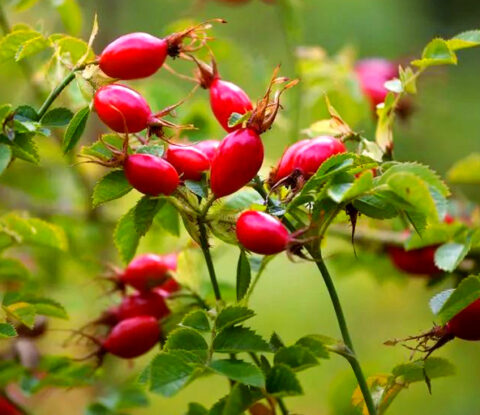


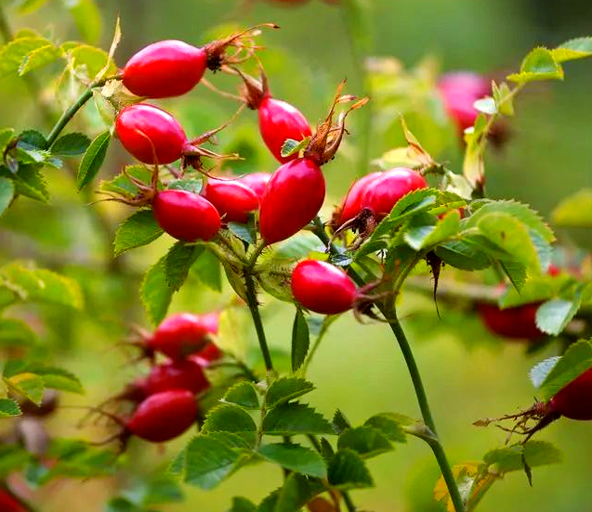
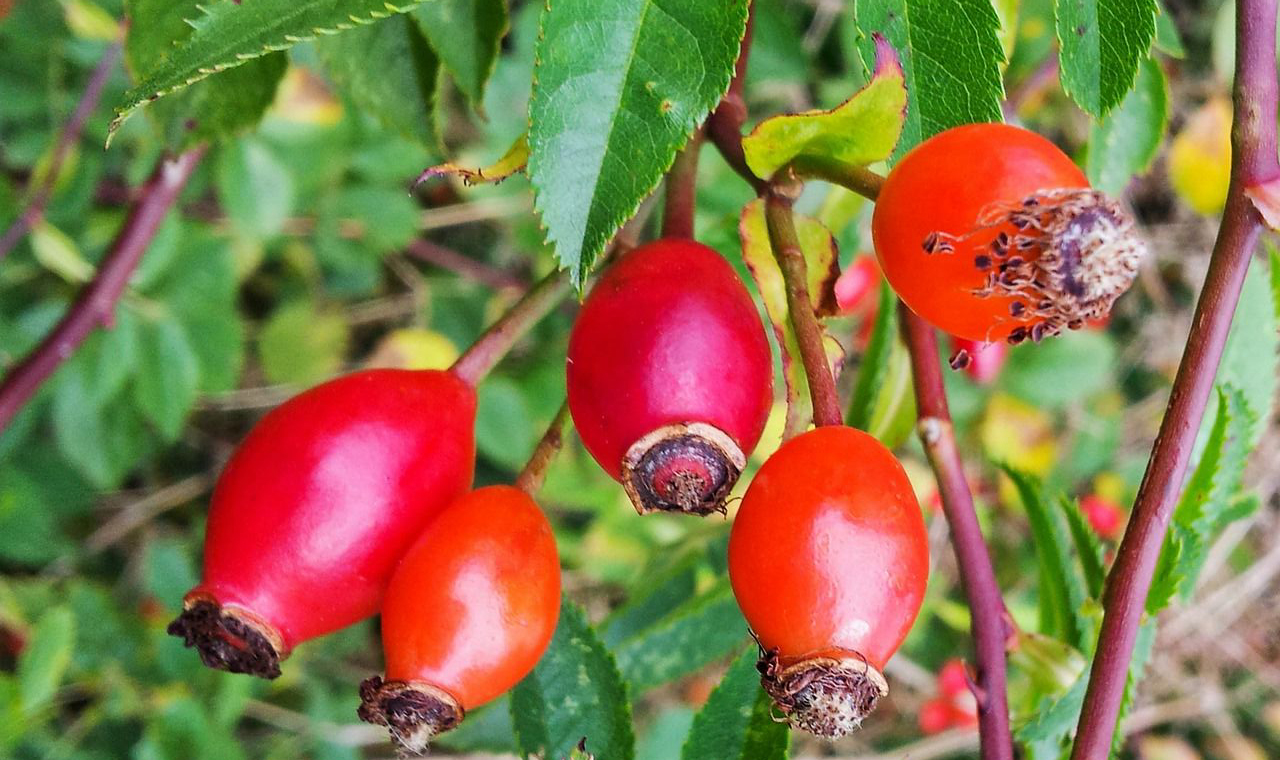
Rose fruit has a warm nature and a sweet and sour taste. Rich in natural vitamin C, flavonoids, and anti-inflammatory ingredients. The main function is to enhance immunity, promote collagen synthesis to nourish the skin, resist oxidation, and alleviate joint inflammation and pain. It also helps to improve mild indigestion and regulate blood lipids. Suitable for people with weakened immunity, aging skin, and osteoarthritis.

Rosehip Extract Powder 10:1, 20:1, 50:1 TLC
【Botanical source】: The dried fruits produced by Rosa L. species include several varieties such as Rosa alba L., Rosa canina L., Rosa centifolia L., Rosa gallics L., etc.
【Part used】: Fruits
【Specification】: 10:1, 20:1, 50:1 TLC
【Extraction solvents】: Water
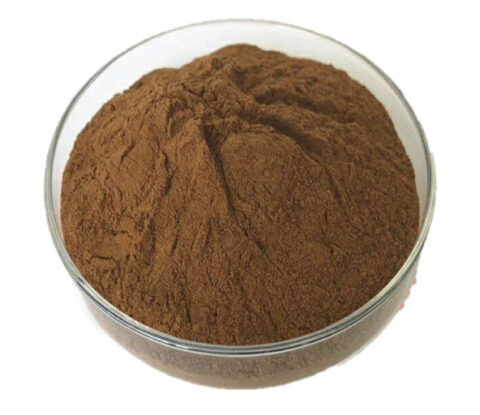
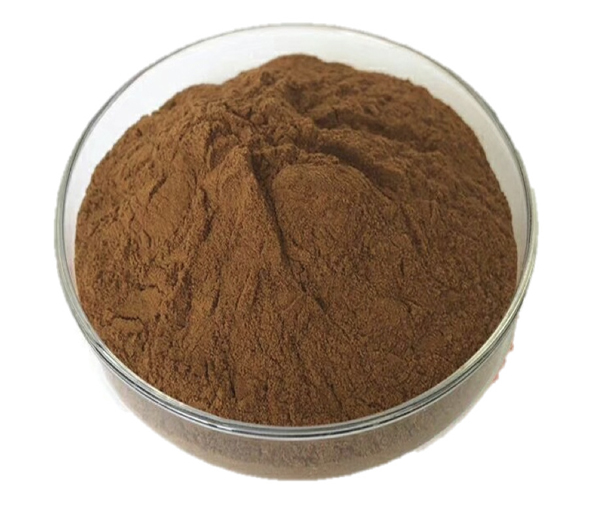
【Appearance】: Brownish fine powder
【Particle size】: 95% pass 80 mesh size
【Main ingredients】: Rosehip fruit is mainly rich in vitamin C, flavonoids (such as quercetin), polyphenols, pectin, and essential fatty acids. It is known for its outstanding antioxidant and anti-inflammatory properties, and is commonly used to support immune health, promote skin collagen synthesis, improve joint discomfort, and provide dietary fiber.
【Storage conditions】:Store at room temperature in a sealed manner, away from light, and in a ventilated, cool, and dry environment.
【Shelf life】: 24 months from the production date
Rosehip Extract Powder Production Flowchart
Rosehip raw materials -Coarse powder(40 mesh) -Low temperature water extraction – 1st Reflux Extraction(10 times water,2 Hrs) – 2nd Reflux Extraction8 times water,1.5 Hrs) – 3rd Reflux Extraction(6 times water,1 Hrs) – Extraction Solution-combine&Filtrate-Concentrate-Extractum-spray drying – screening – packaging – detection of physical and chemical indicators – warehousing
Specification Sheet of Rosehip Extract Powder
| Product name: | Rosehip Extract | ||
| Specification: | 10:1 TLC | ||
| Part used: | Fruits of Rosa canina | ||
| Solvent used: | Water | ||
| Process: | Raw materials crushed, extracted, concentrated and spray-dried to powder | ||
| Non GMO according to regulation (EC) 1829/2003 and 1830/2003 or United States requirements. Non allergen according to Directive 2007/68 amending Annex IIIa to Directive 2000/13/EC and US Food allergen labelling and consumer protection act 2004. | |||
| Heavy Metals: | |||
| Lead: | NMT 3ppm | Cadmium: | NMT 1ppm |
| Arsenic: | NMT 2ppm | Mercury: | NMT 1ppm |
| Residual solvents: | Comply to USP | ||
| Pesticides residues: | Conform to Regulation USP<561> | ||
| Microbiology: | |||
| Total plate count: | 10000cfu/g Max | Yeasts and molds: | 1000cfu/g Max |
| E.coli: | Not detected in (g)10 | Salmonella spp.: | Not detected in (g)25 |
| Staphylococcus aureus: | Not detected in (g)10 | Clostridium spp.: | Not Present in 0.1 g of food |
| Organoleptic quality | Method | Specifications | |
| Aspect: | Visual : ( CQ-MO-148) | Powder | |
| Color: | Visual : ( CQ-MO-148) | Brownish | |
| Flavor: | Sensory: (CQ-MO-148) | Characteristic | |
| Analytical quality | Method | Specifications | |
| Identification: | TLC | Conform | |
| Loss on drying: | USP <731> | < 10% | |
| Bulk density: | USP <616> Method I | 40 – 60 g/100mL | |
| Particle size: | Analytical sieving || USP <786> | 100% through 80meshes | |
| Packaging suitable for foodstuff. | |||
Extended Reading
Detailed Modern Research on Rosehip (Rosa canina L. and related spp.) Extract
- Chemical Components:
Rosehip is a nutrient-dense botanical with a complex profile:
- Vitamin C: Exceptionally high content, but varies significantly with species, processing, and extraction method.
- Carotenoids & Phenolic Compounds: Lycopene, beta-carotene, zeaxanthin, and various flavonoids (quercetin, catechin) and phenolic acids (gallic acid) are primary antioxidants.
- Galactolipids (GOPOs): Unique lipids, notably trans-tiliroside and the mono- and di-galactosyl glycerides (e.g., (2S)-1,2-di-O-[(9Z,12Z,15Z)-octadeca-9,12,15-trienoyl]-3-O-β-D-galactopyranosyl glycerol), considered key anti-inflammatory agents.
- Pectin & Dietary Fiber: High in soluble fiber, contributing to gut health and glycemic control.
- Essential Fatty Acids: Linoleic (omega-6) and alpha-linolenic (omega-3) acids present in the seed oil.
- Documented Health Benefits (Pharmacological Actions):
- Anti-Inflammatory & Osteoarticular Health: Most robust evidence supports its use in osteoarthritis (OA) and rheumatoid arthritis (RA). Meta-analyses confirm GOPOs significantly reduce pain, stiffness, and improve joint mobility, likely by inhibiting chemotaxis of leukocytes and COX enzymes.
- Antioxidant Activity: High levels of Vitamin C and phenolics effectively scavenge free radicals, reduce oxidative stress markers (MDA), and boost endogenous antioxidant defenses (SOD, GPx).
- Skin Health: Topical and oral application promotes skin regeneration, reduces wrinkles, and protects against UV-induced photoaging. Vitamin C is critical for collagen synthesis, while seed oil (rich in EFAs) improves skin barrier function and hydration.
- Metabolic & Cardiovascular Health: Shows anti-obesity potential by inhibiting pancreatic lipase and adipogenesis; improves lipid profiles and glucose metabolism in preclinical models, linked to PPAR-γ activation.
- Antimicrobial & Gut Health: Exhibits inhibitory effects against H. pylori and other pathogens. Pectin acts as a prebiotic, supporting beneficial gut microbiota.
III. Interactions, Taboos, and Warnings:
- Drug Interactions:
- Anticoagulants/Antiplatelets (e.g., warfarin, aspirin): Theoretical risk due to Vitamin C content and possible antiplatelet effects; monitoring is advised.
- Diuretics: High Vitamin C doses may interact with loop diuretics like furosemide.
- Aluminum-containing antacids: Vitamin C may increase aluminum absorption; separate administration by 2-3 hours.
- Contraindications (Taboos): Known allergy to roses (Rosaceae family). Safety not fully established in pregnancy/lactation; caution advised.
- Warnings/Side Effects: Generally well-tolerated. High doses may cause mild GI discomfort (nausea, diarrhea, heartburn), headache, or insomnia due to high Vitamin C/bioactive load. Individuals with kidney stones (oxalate) should use cautiously.
- Applications:
- Nutraceuticals & Functional Foods: Powder and extracts widely used in capsules/tablets for joint health, immune support (Vitamin C), and general wellness. Incorporated into teas, jams, and health beverages.
- Cosmeceuticals & Skincare: Seed oil and extracts are prominent in anti-aging serums, moisturizers, and after-sun products for regeneration and antioxidant protection.
- Clinical Nutrition: Used as an adjunct in managing osteoarthritis and for nutritional support in conditions with high oxidative stress.
- Animal Health: Studied as a natural anti-inflammatory and antioxidant supplement in pet food, particularly for aging dogs with joint issues.
References
- Winther, K., Campbell-Tofte, J., & Vinther Hansen, A. S. (2016). Bioactive ingredients of rose hips (Rosa canina L.) with special reference to antioxidative and anti-inflammatory properties: in vitro studies. Botanics: Targets and Therapy, 6, 1-11.
- Christensen, R., Bartels, E. M., Altman, R. D., & Bliddal, H. (2008). Does the hip powder of Rosa canina (rosehip) reduce pain in osteoarthritis patients? – A meta-analysis of randomized controlled trials. Osteoarthritis and Cartilage, 16(9), 965-972.
- Mármol, I., Sánchez-de-Diego, C., Jiménez-Moreno, N., Ancín-Azpilicueta, C., & Rodríguez-Yoldi, M. J. (2017). Therapeutic applications of rose hips from different Rosa species. International Journal of Molecular Sciences, 18(6), 1137.
- Phetcharat, L., Wongsuphasawat, K., & Winther, K. (2015). The effectiveness of a standardized rose hip powder, containing seeds and shells of Rosa canina, on cell longevity, skin wrinkles, moisture, and elasticity. Clinical Interventions in Aging, 10, 1849–1856.
- Ninčević, T., Grdiša, M., Šatović, Z., & Jug-Dujaković, M. (2019). Rosa canina L.—New possibilities for an old medicinal plant. Foods, 8(11), 523.
- Lattanzio, F., Greco, E., Carretta, D., Cervellati, R., Govoni, P., & Speroni, E. (2011). In vivo anti-inflammatory effect of Rosa canina L. extract. Journal of Ethnopharmacology, 137(1), 880-885.
- Schwager, J., Richard, N., Schoop, R., & Wolfram, S. (2014). A novel rose hip preparation with enhanced anti-inflammatory and chondroprotective effects. Mediators of Inflammation, 2014, 105710.
Note: This summary is for informational purposes. It may interact with medications and is contraindicated in certain conditions. Consult a healthcare professional before therapeutic use, particularly regarding its estrogenic activity.