
Sea-buckthorn (Sha Ji) Extract Powder 10:1, 20:1, 50:1 TLC
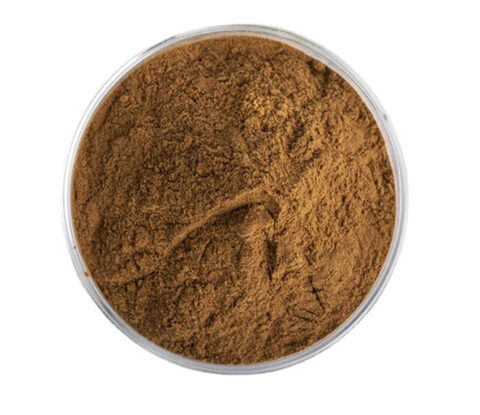
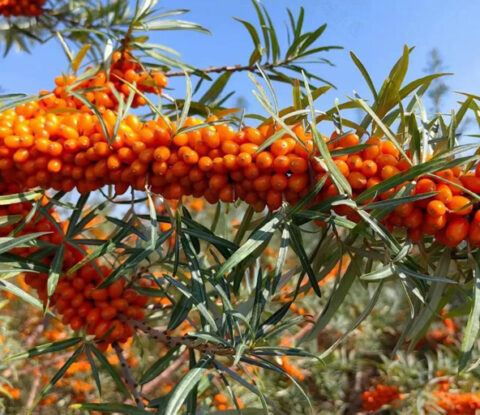
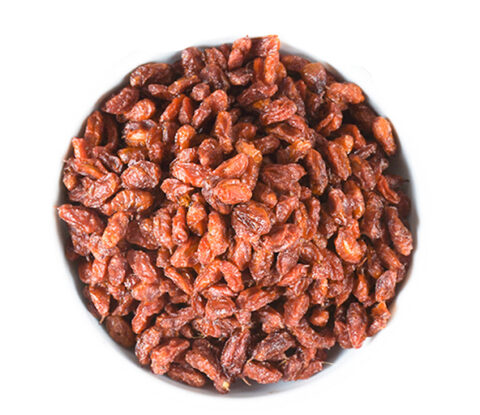


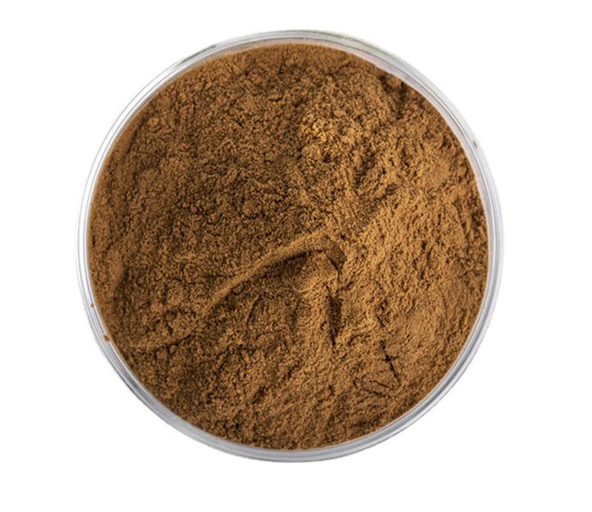
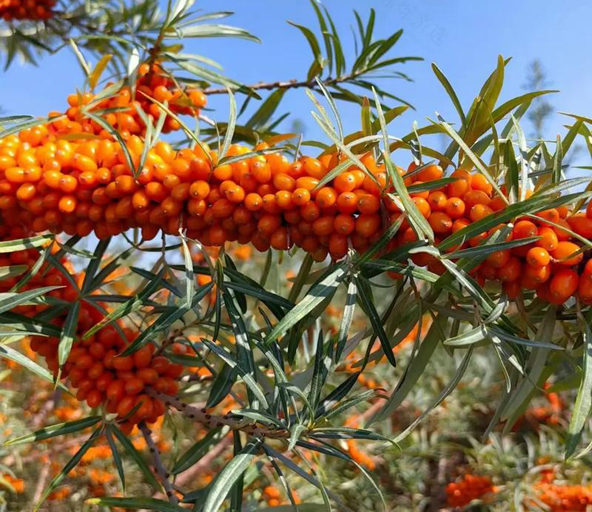
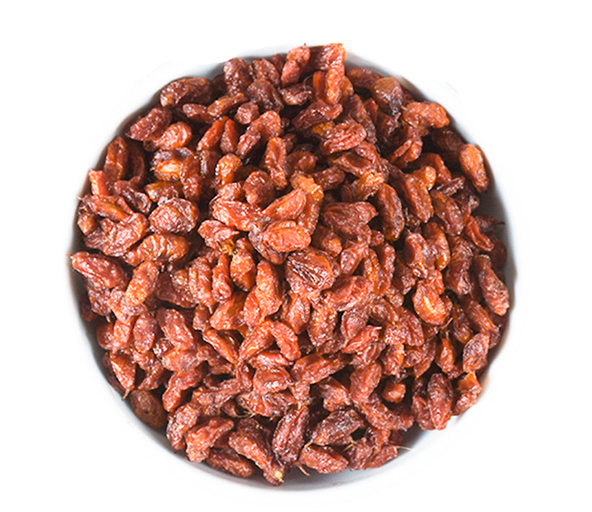
The functions of seabuckthorn in traditional Chinese medicine include strengthening the spleen and reducing food intake, relieving cough and phlegm, promoting blood circulation and dispersing blood stasis. Used for spleen deficiency, insufficient food intake, abdominal pain caused by food accumulation, cough and phlegm accumulation, chest tightness and heartache, blood stasis and meridian obstruction, and swelling caused by falls.

Sea-buckthorn (Sha Ji) Extract Powder 10:1, 20:1, 50:1 TLC
【Other names】: Sha Ji, Sea-buckthorn, Hippophae Fructus
【Botanical source】: Hippophae rhamnoides L
【Part used】: Dried and ripe fruit of Hippophae rhamnoides L, a plant in the family Elapidae. Harvest fruits in autumn and winter when they mature or freeze hard, remove impurities, dry or steam them before drying.
【Specification】: 10:1, 20:1, 50:1 TLC
【Appearance】: Brownish yellow fine powder
【Particle size】: 95% pass 80 mesh size
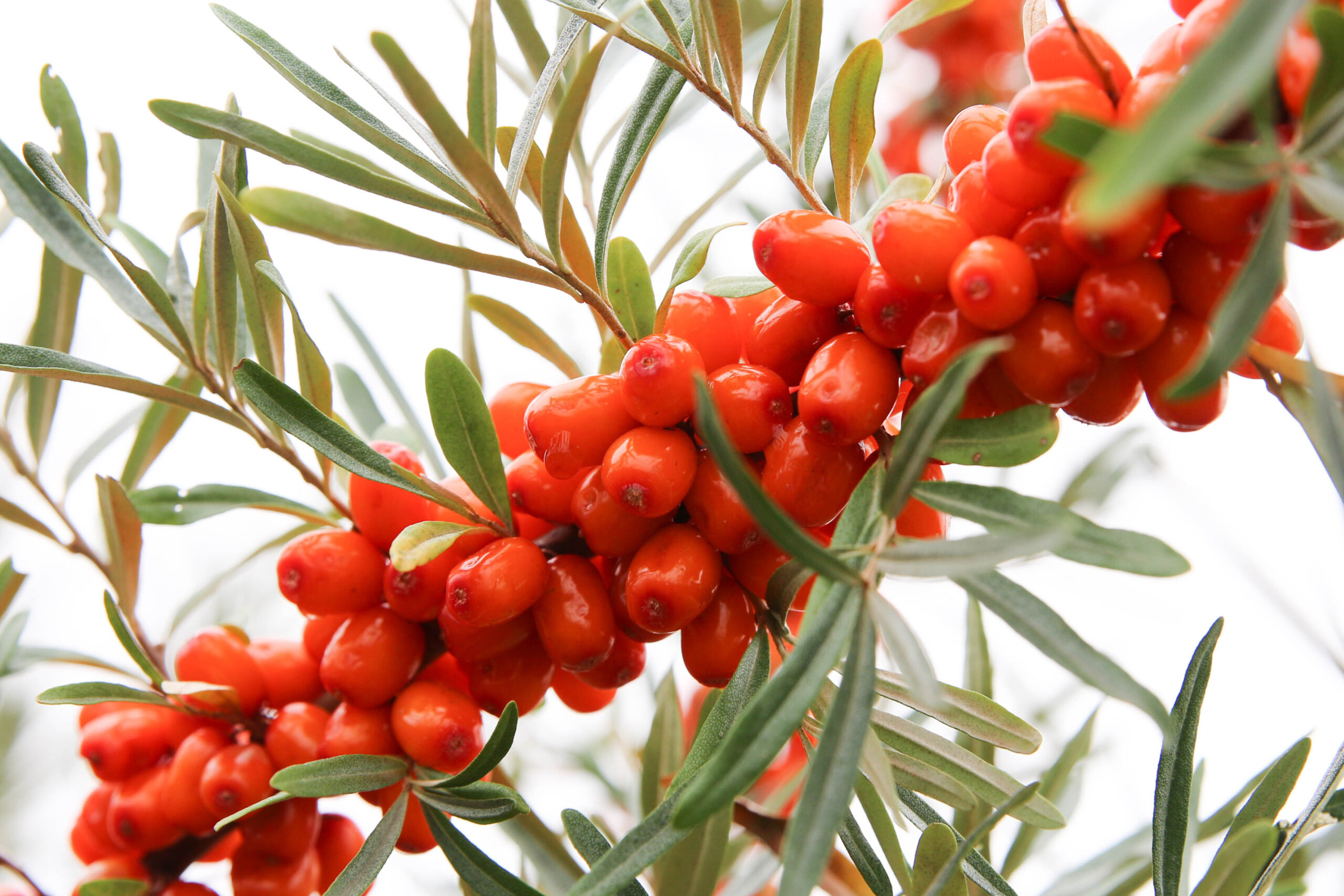
Sea-buckthorn (Sha Ji) Extract Powder Production Flowchart
Sea-buckthorn (Sha Ji) raw materials – natural air drying–Coarse powder(40 mesh) -Low temperature water extraction – 1st Reflux Extraction(10 times water,2 Hrs) – 2nd Reflux Extraction8 times water,1.5 Hrs) – 3rd Reflux Extraction(6 times water,1 Hrs) – Extraction Solution-combine&Filtrate-Concentrate-Extractum-spray drying – screening – packaging – detection of physical and chemical indicators – warehousing
Specification Sheet of Sea-buckthorn (Sha Ji) Extract Powder
| Product name: | Sha Ji Extract | ||
| Specification: | 10:1 TLC | ||
| Part used: | Dried roots of Hippophae rhamnoides L | ||
| Solvent used: | Hot water | ||
| Process: | Raw materials crushed, extracted, concentrated and spray-dried to powder | ||
| Non GMO according to regulation (EC) 1829/2003 and 1830/2003 or United States requirements. Non allergen according to Directive 2007/68 amending Annex IIIa to Directive 2000/13/EC and US Food allergen labelling and consumer protection act 2004. | |||
| Heavy Metals: | |||
| Lead: | NMT 3ppm | Cadmium: | NMT 1ppm |
| Arsenic: | NMT 2ppm | Mercury: | NMT 1ppm |
| Residual solvents: | Comply to USP | ||
| Pesticides residues: | Conform to Regulation USP<561> | ||
| Microbiology: | |||
| Total plate count: | 10000cfu/g Max | Yeasts and molds: | 1000cfu/g Max |
| E.coli: | Not detected in (g)10 | Salmonella spp.: | Not detected in (g)25 |
| Staphylococcus aureus: | Not detected in (g)10 | Clostridium spp.: | Not Present in 0.1 g of food |
| Organoleptic quality | Method | Specifications | |
| Aspect: | Visual : ( CQ-MO-148) | Powder | |
| Color: | Visual : ( CQ-MO-148) | Brownish | |
| Flavor: | Sensory: (CQ-MO-148) | Characteristic | |
| Analytical quality | Method | Specifications | |
| Identification: | TLC | Conform | |
| Loss on drying: | USP <731> | < 10% | |
| Bulk density: | USP <616> Method I | 40 – 60 g/100mL | |
| Particle size: | Analytical sieving || USP <786> | 100% through 80meshes | |
| Packaging suitable for foodstuff. | |||
Extended Reading
Sea-buckthorn (Sha Ji) Function and Efficacy Recorded in TCM.
Sea buckthorn is a medicinal and edible plant with a long history of application in traditional Chinese medicine, especially regarded as a treasure by Tibetan and Mongolian medicine. It has a sour, astringent, and warm taste. Return to the spleen, stomach, lungs, and heart meridians. Its function is extensive, and its core lies in the combination of “tonifying” and “promoting blood circulation”.
The following are the main functions and clinical applications of seabuckthorn in traditional Chinese medicine:
1.Strengthen the spleen, digest food, relieve cough and phlegm
This is the most classic and well-known function of seabuckthorn.
Mechanism: Sea buckthorn has a sour taste, can produce saliva and stimulate appetite, has a warm and smooth nature, and can strengthen the spleen and promote digestion. At the same time, it enters the lung meridian and can dissolve phlegm in the lungs and stop coughing.
Application:
Spleen deficiency and insufficient food intake: Used for digestive disorders, loss of appetite, abdominal distension, etc. caused by spleen and stomach weakness. It can stimulate stomach qi and aid digestion.
Coughing with excessive phlegm: It has therapeutic effects on various types of coughs, including cold phlegm, wet phlegm, chronic cough and lung qi. Especially suitable for chronic bronchitis, cough with excessive phlegm, and difficult to cough up.
2. Promote blood circulation and dispel blood stasis
Sea buckthorn is a good medicine that promotes blood circulation without breaking blood.
Mechanism: Its nature is warm and can enter the bloodstream, promote blood circulation, and eliminate blood stasis.
Application:
Chest obstruction and heartache: Used for angina pectoris, chest tightness, palpitations, etc. caused by qi and blood stasis, similar to modern medicine’s coronary heart disease and angina pectoris. This is one of its core applications in Tibetan and Mongolian medicine.
Menstrual disorders and amenorrhea: Used for women with dysmenorrhea, reduced menstrual flow, and amenorrhea caused by blood stasis.
Injury caused by falls and bruises: Used externally or orally to help dissipate swelling and relieve pain.
3. Nourish Qi and Blood
Sea buckthorn has unique characteristics of “promoting blood circulation without harming blood, supplementing blood without stagnation”.
Mechanism: Sea buckthorn is rich in various vitamins, amino acids, and trace elements. Traditional Chinese medicine believes that it can transform the blood by strengthening the spleen (which is the source of qi and blood biochemistry) and directly nourishing it.
Application:
Used for the syndrome of qi and blood deficiency or blood stasis combined with blood deficiency, manifested as pale complexion, emaciation, and fatigue.
4. Generating saliva to quench thirst
Mechanism: It has a sour and sweet taste, can stimulate salivary gland secretion, and replenish body fluids.
Application:
Used for dry mouth and thirst after fever and body injury.
Used daily to alleviate symptoms such as dry mouth and throat.
Modern Pharmacological Effects of Sea-buckthorn (Sha Ji)
The modern pharmacological effects of seabuckthorn are very extensive and impressive, mainly due to its rich variety of bioactive ingredients. These components include:
Vitamins: extremely high levels of vitamin C, vitamin E, vitamin A (precursors), etc.
Flavonoids, such as isorhamnetin and quercetin, are the core active ingredients.
Unsaturated fatty acids and lipids, such as palmitic acid, linoleic acid, phospholipids, etc.
Steroids: such as β – sitosterol.
Organic acids and various trace elements.
Based on these components, seabuckthorn exhibits the following important modern pharmacological effects:
1. Protective effect on the cardiovascular system
Hypolipidemic and anti atherosclerosis: Flavonoids, unsaturated fatty acids and steroids in seabuckthorn can effectively reduce total cholesterol, triglycerides and low-density lipoprotein (“bad cholesterol”) in the blood, while increasing high-density lipoprotein (“good cholesterol”), thus inhibiting the formation of atherosclerotic plaque.
Antioxidant and endothelial protection: Strong antioxidant capacity can reduce the damage of free radicals to endothelial cells, maintaining the health and elasticity of blood vessels.
Improving myocardial ischemia: Total flavonoids of seabuckthorn can dilate coronary arteries, increase coronary blood flow, improve myocardial microcirculation, and have a protective effect on myocardial ischemia and hypoxia. It can be used as an adjuvant therapy for coronary heart disease and angina pectoris.
2. Enhance immunity and anti-tumor effects
Immune regulation: Sea buckthorn can significantly enhance the non-specific and specific immune functions of the body, improve the phagocytic ability of macrophages, promote lymphocyte proliferation and antibody production.
Antitumor: Its active ingredients (such as flavonoids and polysaccharides) exert anti-tumor effects through multiple pathways, including inducing cancer cell apoptosis, inhibiting cancer cell proliferation and metastasis, and enhancing the body’s own immunity. Often used as an adjuvant in cancer treatment.
3. Antioxidant and anti-aging
This is one of the most prominent functions of seabuckthorn. Its vitamins C, E, carotenoids, and flavonoids together form a powerful antioxidant network, which can effectively eliminate free radicals, reduce oxidative stress damage to cells and tissues, delay the aging process, and protect organs such as the liver and nerves.
4. Anti inflammation and anti allergy
Sea buckthorn extract can significantly inhibit the release of various inflammatory factors (such as TNF – α, IL-6) and alleviate inflammatory reactions. At the same time, it has a stabilizing effect on allergy related cells such as mast cells and can be used as an adjuvant therapy for various inflammatory and allergic diseases.
5. Protection of the digestive system
Protecting gastric mucosa: Sea buckthorn oil can form a protective film on the surface of gastric mucosa and promote tissue regeneration and repair, which has good therapeutic and preventive effects on gastric ulcers and duodenal ulcers
Liver protection: Its antioxidant and anti-inflammatory effects can alleviate chemical liver damage, prevent liver fibrosis, and promote liver cell regeneration.