
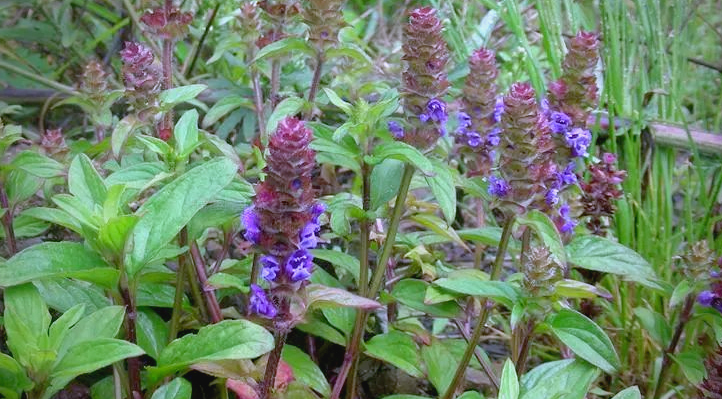
Selfheal(Prunella Vulgaris) Extract Powder 10:1, 20:1, 50:1 TLC
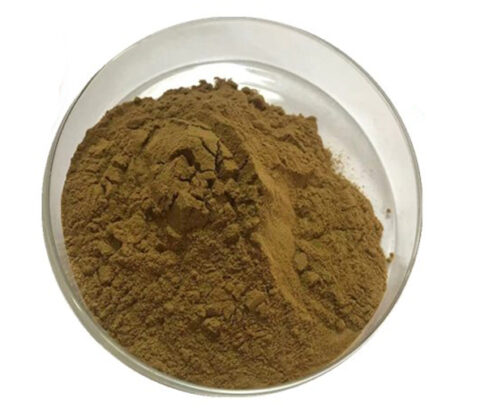
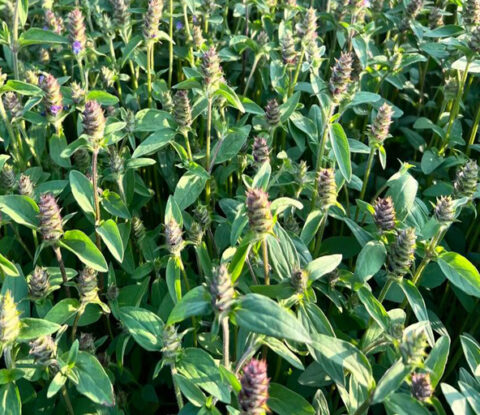


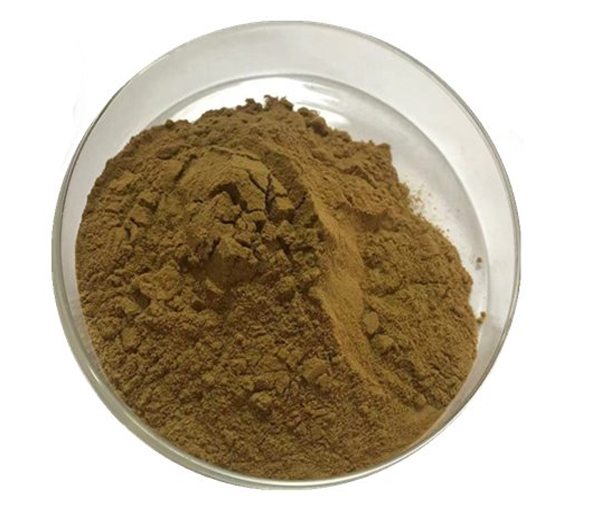
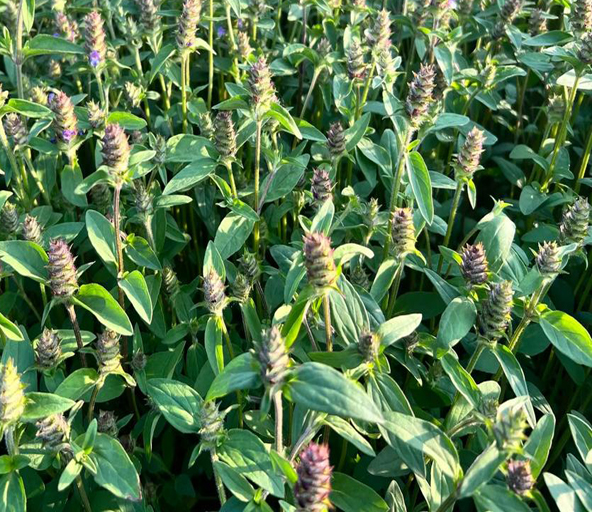
Modern pharmacological research on Prunella vulgaris has confirmed that it has anti-inflammatory, immunomodulatory, antihypertensive, and hypoglycemic effects. The main active ingredients are triterpenoids and phenolic acids, which can inhibit tumor cell proliferation and induce apoptosis. They also have inhibitory effects on various Gram positive bacteria and viruses. They are commonly used as adjunctive therapy for thyroid enlargement, hypertension, and breast hyperplasia in clinical practice.

Selfheal(Prunella Vulgaris) Extract Powder 10:1, 20:1, 50:1 TLC
【Other names】: square-stem, prunella spike, selfheal spike
【Botanical source】: Prunella vulgaris L.
【Part used】: Spike
【Specification】: 10:1, 20:1, 50:1 TLC
【Extraction solvents】: Water
【Appearance】: Brownish fine powder
【Particle size】: 95% pass 80 mesh size
【Main ingredients】: Prunella vulgaris mainly contains triterpenoids (such as oleanolic acid and ursolic acid), flavonoids (such as luteolin and rutin), phenolic acids (rosmarinic acid, caffeic acid), and sterols (stigmasterol). In addition, it contains volatile oils, coumarins, and polysaccharides. Its anti-inflammatory, antihypertensive, antibacterial and other activities are related to the synergistic effects of various components mentioned above.
【Storage conditions】:Store at room temperature in a sealed manner, away from light, and in a ventilated, cool, and dry environment.
【Shelf life】: 24 months from the production date
Selfheal(Prunella Vulgaris) Extract Powder Production Flowchart
Selfheal(Prunella Vulgaris) raw materials -Coarse powder(40 mesh) -Low temperature water extraction – 1st Reflux Extraction(10 times water,2 Hrs) – 2nd Reflux Extraction8 times water,1.5 Hrs) – 3rd Reflux Extraction(6 times water,1 Hrs) – Extraction Solution-combine&Filtrate-Concentrate-Extractum-spray drying – screening – packaging – detection of physical and chemical indicators – warehousing
Specification Sheet of Selfheal(Prunella Vulgaris) Extract Powder
| Product name: | Selfheal(Prunella Vulgaris) Extract | ||
| Specification: | 10:1 TLC | ||
| Part used: | Spike of Prunella vulgaris L. | ||
| Solvent used: | Water | ||
| Process: | Raw materials crushed, extracted, concentrated and spray-dried to powder | ||
| Non GMO according to regulation (EC) 1829/2003 and 1830/2003 or United States requirements. Non allergen according to Directive 2007/68 amending Annex IIIa to Directive 2000/13/EC and US Food allergen labelling and consumer protection act 2004. | |||
| Heavy Metals: | |||
| Lead: | NMT 3ppm | Cadmium: | NMT 1ppm |
| Arsenic: | NMT 2ppm | Mercury: | NMT 1ppm |
| Residual solvents: | Comply to USP | ||
| Pesticides residues: | Conform to Regulation USP<561> | ||
| Microbiology: | |||
| Total plate count: | 10000cfu/g Max | Yeasts and molds: | 1000cfu/g Max |
| E.coli: | Not detected in (g)10 | Salmonella spp.: | Not detected in (g)25 |
| Staphylococcus aureus: | Not detected in (g)10 | Clostridium spp.: | Not Present in 0.1 g of food |
| Organoleptic quality | Method | Specifications | |
| Aspect: | Visual : ( CQ-MO-148) | Powder | |
| Color: | Visual : ( CQ-MO-148) | Brownish | |
| Flavor: | Sensory: (CQ-MO-148) | Characteristic | |
| Analytical quality | Method | Specifications | |
| Identification: | TLC | Conform | |
| Loss on drying: | USP <731> | < 10% | |
| Bulk density: | USP <616> Method I | 40 – 60 g/100mL | |
| Particle size: | Analytical sieving || USP <786> | 100% through 80meshes | |
| Packaging suitable for foodstuff. | |||
Extended Reading
Modern Research on Selfheal Extract
- Chemical Components:
Selfheal (Prunella vulgaris) extract contains a diverse array of bioactive compounds:
- Triterpenoids: Ursolic acid, oleanolic acid, and their derivatives, known for anti-inflammatory and anticancer activities.
- Phenolic Acids: Rosmarinic acid (a major component), caffeic acid, and chlorogenic acid, contributing to antioxidant effects.
- Flavonoids: Quercetin, rutin, luteolin, and apigenin glycosides.
- Polysaccharides: Prunella vulgaris polysaccharides (PVP), which are key immunomodulators.
- Sterols & Fatty Acids: β-sitosterol, stigmasterol, and linolenic acid.
- Volatile Oils: Containing compounds like caryophyllene.
- Health Benefits (Evidence-Based):
- Antiviral & Immunomodulatory: Significant research demonstrates inhibition of herpes simplex virus (HSV), human immunodeficiency virus (HIV), and influenza virus. Polysaccharides enhance macrophage activity and cytokine production.
- Anti-inflammatory & Antioxidant: Ursolic acid and rosmarinic acid potently inhibit NF-κB and COX-2 pathways, reducing inflammation and oxidative stress in vitro and in animal models.
- Anticancer Potential: Extracts induce apoptosis and inhibit proliferation in various cancer cell lines (breast, liver, colon, lung), linked to triterpenoids and flavonoids.
- Hepatoprotective: Protects against chemical-induced liver damage in rodents via antioxidant mechanisms.
- Antihypertensive & Endocrine Effects: Traditional use for hypertension is partially supported by in vivo studies showing vasorelaxant effects. Also shows potential in managing thyroid disorders (Graves’ disease).
- Interactions & Warnings:
- Immunosuppressants: May theoretically counteract drugs used for autoimmune diseases or post-transplant (e.g., cyclosporine).
- Anticoagulants/Antiplatelets: Due to potential mild antiplatelet activity of flavonoids, concurrent use with blood thinners (warfarin, aspirin) may increase bleeding risk.
- Antihypertensive Drugs: May have additive blood pressure-lowering effects.
- Thyroid Medications: May interfere with treatment for hyperthyroidism or hypothyroidism; caution advised.
- Pregnancy & Lactation: Insufficient safety data; avoid therapeutic use.
- Taboos & Contraindications:
- Autoimmune Diseases: Those with conditions like multiple sclerosis or rheumatoid arthritis should use cautiously due to immunostimulant potential.
- Surgery: Discontinue at least 2 weeks prior to scheduled surgery due to potential effects on blood pressure and bleeding.
- Known Allergy: To plants in the Lamiaceae family (mint, basil).
- Applications:
- Pharmaceuticals & Nutraceuticals: Used in supplements for immune support, antiviral formulations (especially for herpes outbreaks), and liver health.
- Functional Beverages: Incorporated into herbal teas and health drinks.
- Cosmeceuticals: Included in skincare products for anti-inflammatory and antioxidant properties.
- Research: Investigated as a source of novel antiviral and chemopreventive agents.
References:
- Feng, L., et al. (2010). Antioxidant and antiproliferative activities of common vegetables. Journal of Agricultural and Food Chemistry, 58(11), 6621-6629. (Includes P. vulgaris analysis).
- Psotová, J., et al. (2003). Biological activities of Prunella vulgaris extract. Phytotherapy Research, 17(9), 1082-1087.
- Li, Y., et al. (2015). Anti-inflammatory and analgesic activities of Prunella vulgaris L. Pakistan Journal of Pharmaceutical Sciences, 28(4), 1385-1389.
- Zheng, J., et al. (2018). Prunella vulgaris L.: A Review of its Traditional Uses, Phytochemistry, and Pharmacology. The American Journal of Chinese Medicine, 46(07), 1441-1473.
- Fang, X., et al. (2005). Inhibition of Prunella vulgaris on herpes simplex virus. Journal of Microbiology and Immunology, 38(2), 112-118.
- Wang, S. J., et al. (2016). Polysaccharides from Prunella vulgaris L.: Structure and bioactivities. Carbohydrate Polymers, 152, 548-556.
Note: This summary is for informational purposes. It may interact with medications and is contraindicated in certain conditions. Consult a healthcare professional before therapeutic use, particularly regarding its estrogenic activity.