
Sophora Japonica Extract Powder 10:1, 20:1, 50:1 TLC, Rutin 95%, Quercetin 98% HPLC
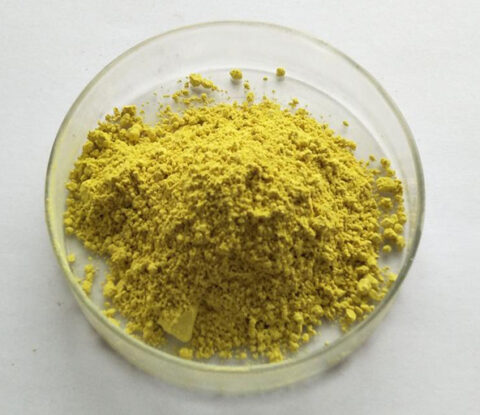
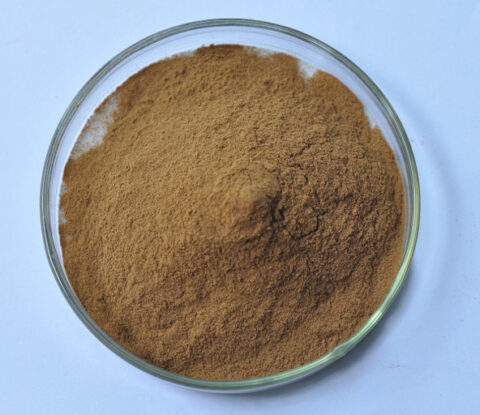
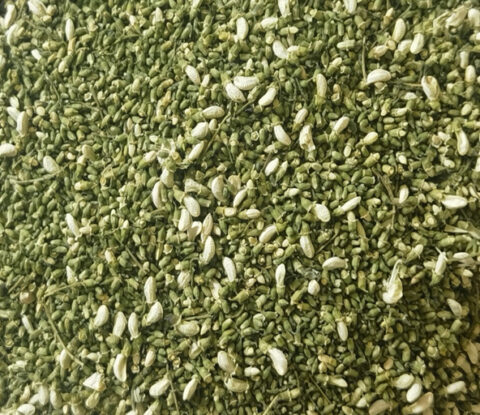


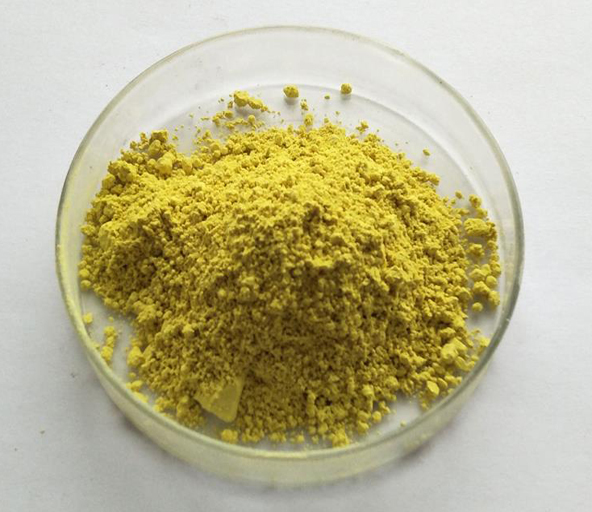
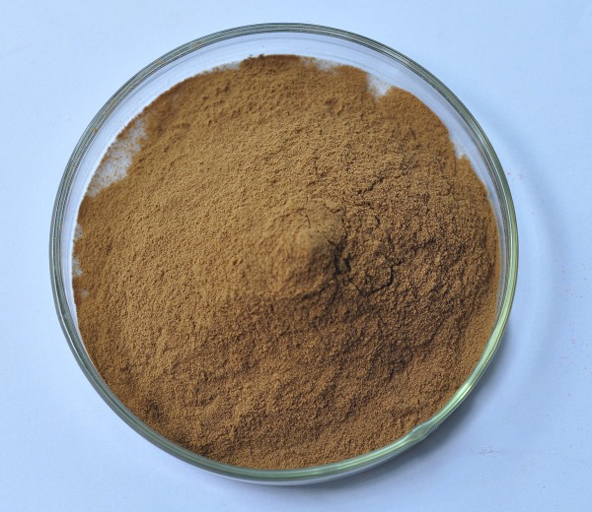
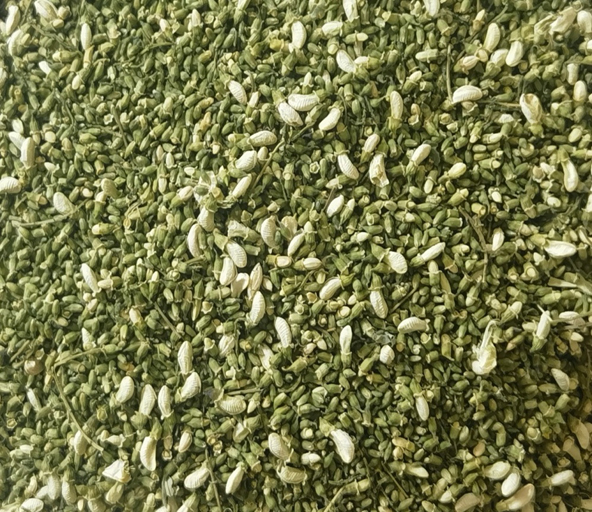
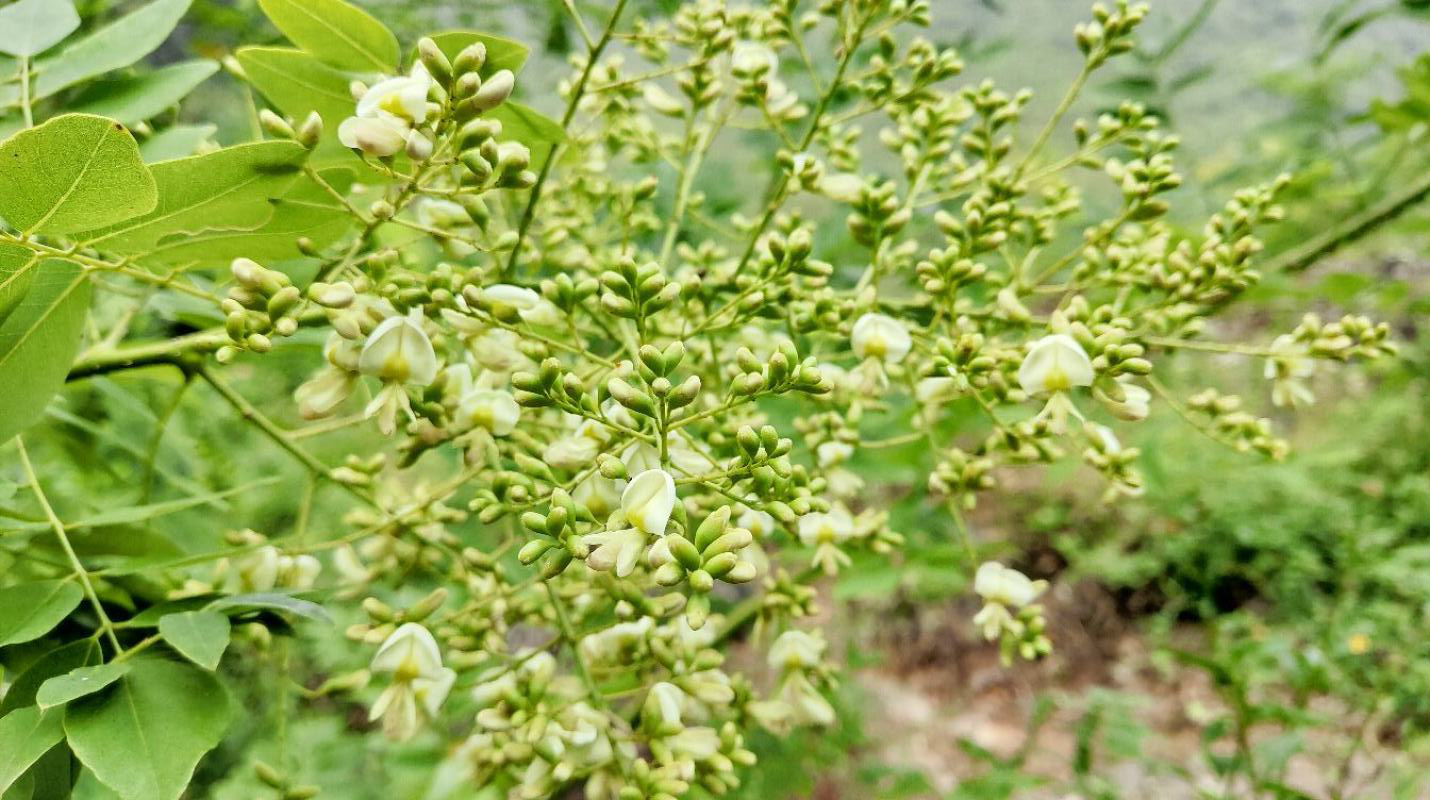
Sophora japonica extract is extracted from dried flower buds of the legume Sophora japonica L, and its main active ingredient is rutin. Sophora japonica extract has antioxidant, anti-cancer, and neuroprotective effects.

Sophora Japonica Extract Powder 10:1, 20:1, 50:1 TLC, Rutin 95%, Quercetin 98% HPLC
【Botanical source】: Sophora japonica L.
【Part used】: Dried flowers and flower buds
【Specification】: 10:1, 20:1, 50:1 TLC, Rutin 95%, Quercetin 98% HPLC
【Extraction solvents】: Water/Ethanol
【Appearance】: Brownish fine powder(ratio extract), light yellow fine powder(Rutin, Quercetin)
【Particle size】: 95% pass 80 mesh size
【Main ingredients】: It mainly contains rutin, and the pharmacopoeia stipulates that the content should not be less than 20%.
1. Rutin: also known as rutin, vitamin P, and quercetin. Molecular formula C27H30O16, molecular weight 610.51. Light yellow needle crystal (water), mp.176 ℃~178 ℃, [α] D23+13.82 ° (ethanol), [α] D23-39.43 ° (pyridine). Difficult to dissolve in cold water (0.0013%), soluble in hot water (0.55%), hot methanol (11.2%), cold methanol (1.0%), hot ethanol (3.5%), cold ethanol (0.36%), cold pyridine (8.5%), easily soluble in alkaline water, acidified and precipitated. Chemicalbook is insoluble in other organic solvents.
2. Quercetin: also known as Quercetin or Quercetin. Molecular formula C15H10O2, molecular weight 302.23. Dihydrate is a yellow needle shaped crystal (dilute ethanol) that becomes anhydrous at 95 ° C to 97 ° C. Mp.314 ℃ (decomposition). Soluble in cold ethanol (1:290), easily soluble in boiling ethanol (1:23), soluble in methanol, ethyl acetate, glacial acetic acid, pyridine, acetone, etc., insoluble in water and other organic solvents.
3. Other ingredients: SophorinA, B, C, Betulin, Sophoradiol, tannins, etc.
【Storage conditions】:Store at room temperature in a sealed manner, away from light, and in a ventilated, cool, and dry environment.
【Shelf life】: 24 months from the production date
Sophora Japonica Extract Powder Production Flowchart
Sophora Japonica raw materials -Coarse powder(40 mesh) -Low temperature water extraction – 1st Reflux Extraction(10 times water,2 Hrs) – 2nd Reflux Extraction8 times water,1.5 Hrs) – 3rd Reflux Extraction(6 times water,1 Hrs) – Extraction Solution-combine&Filtrate-Concentrate-Extractum-spray drying – screening – packaging – detection of physical and chemical indicators – warehousing
Specification Sheet of Sophora Japonica Extract Powder
| Product name: | Flaxseed Extract | ||
| Specification: | Rutin 95% HPLC | ||
| Part used: | Flower buds of Sophora japonica L. | ||
| Solvent used: | Water | ||
| Process: | Raw materials crushed, extracted, concentrated and spray-dried to powder | ||
| Non GMO according to regulation (EC) 1829/2003 and 1830/2003 or United States requirements. Non allergen according to Directive 2007/68 amending Annex IIIa to Directive 2000/13/EC and US Food allergen labelling and consumer protection act 2004. | |||
| Heavy Metals: | |||
| Lead: | NMT 3ppm | Cadmium: | NMT 1ppm |
| Arsenic: | NMT 2ppm | Mercury: | NMT 1ppm |
| Residual solvents: | Comply to USP | ||
| Pesticides residues: | Conform to Regulation USP<561> | ||
| Microbiology: | |||
| Total plate count: | 10000cfu/g Max | Yeasts and molds: | 1000cfu/g Max |
| E.coli: | Not detected in (g)10 | Salmonella spp.: | Not detected in (g)25 |
| Staphylococcus aureus: | Not detected in (g)10 | Clostridium spp.: | Not Present in 0.1 g of food |
| Organoleptic quality | Method | Specifications | |
| Aspect: | Visual : ( CQ-MO-148) | Powder | |
| Color: | Visual : ( CQ-MO-148) | Light yellow | |
| Flavor: | Sensory: (CQ-MO-148) | Characteristic | |
| Analytical quality | Method | Specifications | |
| Identification: | TLC | Conform | |
| Loss on drying: | USP <731> | < 10% | |
| Bulk density: | USP <616> Method I | 40 – 60 g/100mL | |
| Particle size: | Analytical sieving || USP <786> | 100% through 80meshes | |
| Packaging suitable for foodstuff. | |||
Extended Reading
Modern Research on Sophora japonica (Japanese Pagoda Tree) Extract
Chemical Components
Sophora japonica L. (syn. Styphnolobium japonicum) is rich in bioactive flavonoids, isoflavones, and alkaloids. Modern analytical methods (UPLC-Q-TOF-MS, NMR) have identified:
- Flavonoids (Primary Bioactives):
- Rutin (quercetin-3-rutinoside): 5-25% in flower buds, the most abundant and characteristic compound.
- Quercetin: The aglycone of rutin, present in smaller amounts but highly bioactive.
- Isoquercitrin, kaempferol glycosides.
- Isoflavones: Genistein, sophoricoside.
- Triterpene Saponins: Sophorasides.
- Alkaloids (Mainly in Seeds & Bark): Cytisine, matrine, oxymatrine (these are more prominent in related species like S. flavescens).
- Polysaccharides: Immunomodulatory components from the fruit.
Health Benefits (Evidence-Based)
- Vascular Protection & Venotonic Activity
- Capillary Permeability & Fragility: Rutin’s primary modern application. It stabilizes capillary walls by reducing permeability and increasing resistance, a mechanism supported by in vivo models of venous insufficiency. It inhibits hyaluronidase, protects endothelial cells, and reduces oxidative stress in vasculature.
- Chronic Venous Insufficiency (CVI) & Hemorrhoids: Multiple RCTs and meta-analyses confirm that standardized rutin extracts (often from S. japonica) significantly reduce leg edema, pain, heaviness, and bleeding episodes in CVI and acute hemorrhoids.
- Antioxidant & Anti-inflammatory
- Rutin & Quercetin are potent free radical scavengers. They upregulate endogenous antioxidants (glutathione, SOD) via Nrf2 pathway activation.
- They inhibit key pro-inflammatory enzymes (COX-2, LOX, iNOS) and suppress NF-κB signaling, reducing cytokines like TNF-α and IL-6. Demonstrated in models of arthritis, colitis, and dermatitis.
- Metabolic & Endocrine Benefits
- Anti-diabetic: Rutin and quercetin improve insulin sensitivity, inhibit intestinal α-glucosidase (slowing carbohydrate absorption), and protect pancreatic β-cells. Clinical studies show improved glycemic control and lipid profiles.
- Anti-obesity: In preclinical studies, they inhibit adipogenesis, promote lipolysis, and modulate gut microbiota.
- Neuroprotection
- Exhibits protective effects in models of Alzheimer’s (reduces Aβ aggregation, tau phosphorylation), Parkinson’s, and cerebral ischemia, attributed to anti-apoptotic, antioxidant, and anti-neuroinflammatory actions.
- Potential Anti-cancer Activity
- In vitro and animal studies show quercetin and genistein induce cell cycle arrest and apoptosis in various cancer lines (breast, colon, prostate) via modulation of PI3K/Akt, Wnt/β-catenin, and p53 pathways. Human data is limited.
Interactions
- Anticoagulant/Antiplatelet Drugs (Warfarin, Clopidogrel): HIGH RISK. Quercetin inhibits platelet aggregation (via COX-1 inhibition) and may potentiate effects, increasing bleeding risk. Rutin also has mild antiplatelet activity.
- Cytochrome P450 Substrates: Quercetin is a potent inhibitor of CYP3A4 and CYP2C8. May significantly increase blood levels of drugs metabolized by these enzymes (e.g., statins, calcium channel blockers, antiretrovirals).
- Antihypertensive & Antidiabetic Drugs: Additive effects possible; monitor blood pressure and glucose.
- Quinolone Antibiotics: Rutin/Quercetin may chelate with metals, potentially reducing absorption of antibiotics like ciprofloxacin. Separate dosing by 2-3 hours.
Taboos & Warnings
- Pregnancy & Lactation: Avoid due to uterotonic activity historically associated with some Sophora alkaloids and lack of modern safety data for extracts.
- Bleeding Disorders or Upcoming Surgery: Contraindicated due to antiplatelet effects. Discontinue at least 2 weeks prior to surgery.
- Kidney Disease: High-dose quercetin has been linked to nephrotoxicity in preclinical models; use with caution.
- Allergy: Rare, but possible, especially to legumes (Fabaceae family).
- Drug-Induced Liver Injury: Case reports exist with high-dose flavonoid supplements. Monitor liver enzymes with long-term, high-dose use.
Applications
- Pharmaceuticals: Standardized rutin extracts (e.g., Venoruton, Troxerutin) for venous disorders and hemorrhoids. Used in some countries in IV formulations for hemorrhagic stroke.
- Dietary Supplements: Marketed for vascular health, antioxidant support, and as a source of quercetin.
- Cosmeceuticals: In skincare for antioxidant, anti-redness (capillary-strengthening), and anti-aging properties.
- Food Industry: Rutin used as a natural preservative/antioxidant. Buds used in traditional teas.
Deep Dive: Rutin & Quercetin
Rutin is the prodrug and delivery system for quercetin. Its rutinoside moiety increases water solubility and protects quercetin from degradation in the upper GI tract. Colonic microbiota hydrolyze rutin to release active quercetin and its metabolites.
Rutin-Specific Actions:
- Vascular Selective: Demonstrates a particular tropism for venous and capillary systems, more so than quercetin alone. It incorporates into vascular walls.
- Synergistic with Vitamin C: Classic combination that enhances vitamin C’s bioavailability and co-factor activity in collagen synthesis, crucial for vascular integrity.
Quercetin-Specific Actions (The Active Metabolite):
- Cellular Signaling Master Regulator: Directly inhibits numerous kinase enzymes (mTOR, PI3K, IKK) involved in inflammation, cancer, and metabolic syndrome.
- Mitochondrial Biogenesis: Activates PGC-1α/SIRT1 pathway, improving metabolic function.
- Senolytic Activity: Emerging research shows quercetin (combined with dasatinib) can selectively clear senescent “zombie” cells, a hallmark of aging.
Pharmacokinetics & Modern Formulations:
- Bioavailability Challenge: Both have low oral bioavailability (<15%) due to poor absorption and rapid metabolism. Modern solutions include:
- Liposomal Encapsulation
- Complexation with phospholipids (phytosomes)
- Conjugation with nanoparticles
- Use of enzyme inhibitors (like piperine) to slow glucuronidation.
- Dosing: Clinical studies for venous health often use rutin at 500-1000 mg/day. Quercetin supplements are typically dosed at 500-1000 mg/day, often in enhanced bioavailability forms.
References
- Gullón, B., et al. (2017). Rutin: A review on extraction, identification and purification methods, biological activities and approaches to enhance its bioavailability. Trends in Food Science & Technology, *67*, 220-235. (Comprehensive modern review on rutin)
- Lalani, S., & Poh, C. L. (2020). Flavonoids as antiviral agents for Enterovirus A71 (EV-A71). Viruses, *12*(2), 184. (Includes mechanism of rutin/quercetin)
- D’Andrea, G. (2015). Quercetin: A flavonol with multifaceted therapeutic applications? Fitoterapia, *106*, 256-271. (Critical review of quercetin’s clinical potential)
- Jiang, N., et al. (2020). The mechanisms of rutin in the treatment of cerebral ischemia reperfusion injury: a systematic review. Frontiers in Pharmacology, *11*, 569428. (Neuroprotection focus)
- Kashyap, P., et al. (2021). Rutin: a potential flavonoid glycoside for human health. Journal of Food Biochemistry, *45*(11), e13932.
- Li, Y., et al. (2016). Quercetin, inflammation and immunity. Nutrients, *8*(3), 167. (Detailed anti-inflammatory mechanisms)
- Mendoza-Wilson, A. M., & Glossman-Mitnik, D. (2022). Computational study of the structure-free radical scavenging relationship of procyanidins. (Theoretical chemistry supporting antioxidant mechanisms)
- Tang, J., et al. (2021). Therapeutic potential of rutin in diabetic complications: A systematic review and meta-analysis. Current Pharmaceutical Design, *27*(25), 2909-2924. (Clinical evidence for metabolic benefits)
- Wang, Y., et al. (2019). Natural products for the prevention and treatment of hangover and alcohol use disorder. Molecules, *24*(14), 2589. (Includes Sophora japonica compounds)
- Zhou, Y., et al. (2021). Pharmacological activities of rutin and its metabolites in the treatment of metabolic syndrome. Journal of Functional Foods, *86*, 104681. (Modern focus on metabolic syndrome)
- Clinical Trial Reference: Kudolo, G. B., et al. (2006). Short-term oral ingestion of quercetin reduces platelet aggregation in healthy subjects. Journal of Nutritional Biochemistry, *17*(10), 672-678. (Key interaction evidence)
Note: This summary is for informational purposes. It may interact with medications and is contraindicated in certain conditions. Consult a healthcare professional before therapeutic use, particularly regarding its estrogenic activity.