
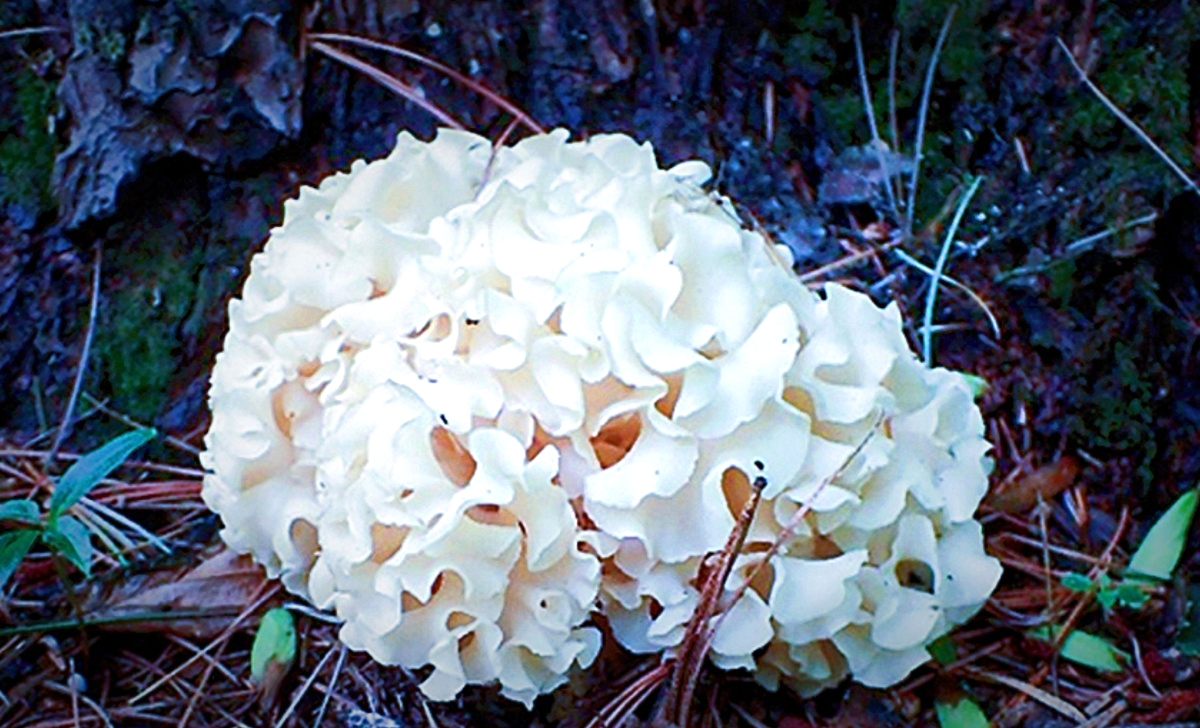
Sparassis Crispa (Cauliflower Mushroom) Extract Powder 10:1, 20:1, 50:1 TLC, Polysaccharides 30% UV


The core pharmacological component of Sparassis crispa is highly branched β-glucan. Its main pharmacological effects include: potent immunomodulation, enhancing host anti-tumor and anti-infective capabilities by activating macrophages, NK cells, etc.; significant anti-inflammatory and antioxidant effects, inhibiting pathways such as NF-κB; promoting wound healing and collagen deposition; and exhibiting neuroprotective and prebiotic effects.

Sparassis Crispa (Cauliflower Mushroom) Extract Powder 10:1, 20:1, 50:1 TLC, Polysaccharides 30% UV
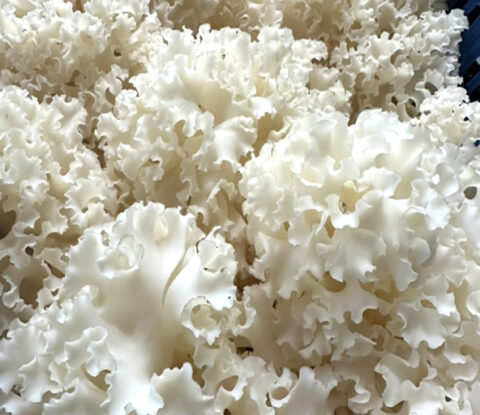
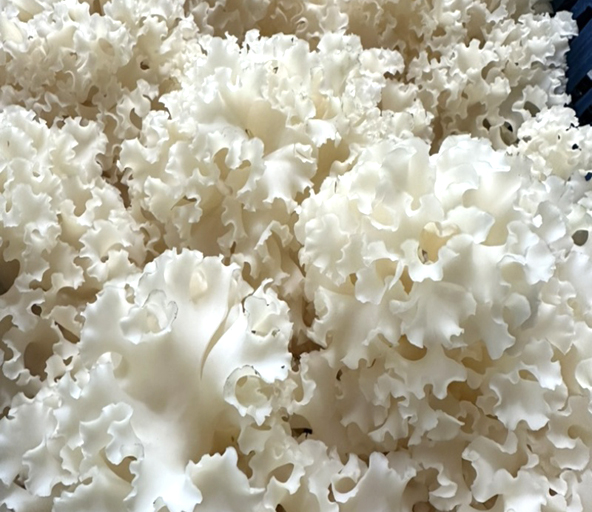
【Botanical source】: Sparassis crispa
【Part used】: Mycelium&Frutingbody
【Specification】: 10:1, 20:1, 50:1 TLC, Polysaccharides 30% UV
【Extraction solvents】: Water
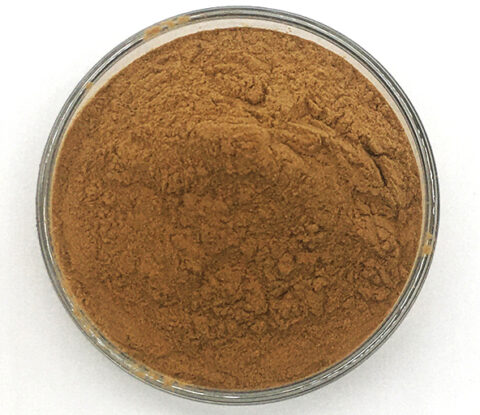
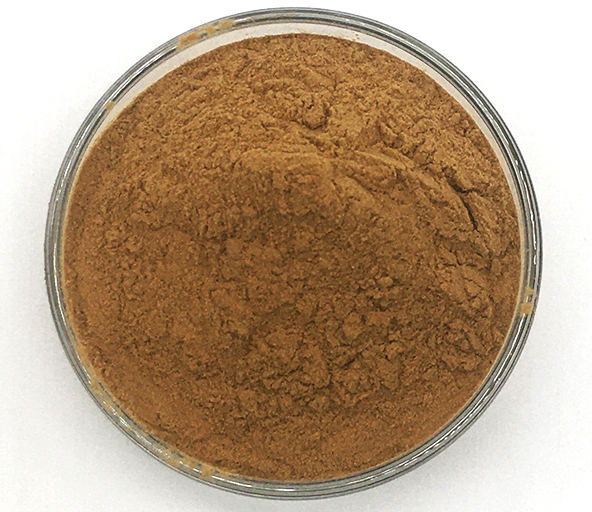
【Appearance】: Brownish yellow fine powder
【Particle size】: 95% pass 80 mesh size
【Main ingredients】: The Sparassis Crispa is rich in active polysaccharides (β-glucan), with a content significantly higher than that of most edible and medicinal fungi. Additionally, it contains dietary fiber, various vitamins (B group, D), minerals (potassium, selenium), ergosterol (a precursor of vitamin D2), and antioxidant components. These components work synergistically to confer various health benefits such as enhancing immunity, antioxidation, and regulating the gut.
【Storage conditions】:Store at room temperature in a sealed manner, away from light, and in a ventilated, cool, and dry environment.
【Shelf life】: 24 months from the production date
Sparassis Crispa (Cauliflower Mushroom) Extract Powder Production Flowchart
Sparassis Crispa frutingbody raw materials -Coarse powder(40 mesh) -Low temperature water extraction – 1st Reflux Extraction(10 times water,2 Hrs) – 2nd Reflux Extraction8 times water,1.5 Hrs) – 3rd Reflux Extraction(6 times water,1 Hrs) – Extraction Solution-combine&Filtrate-Concentrate-Extractum-spray drying – screening – packaging – detection of physical and chemical indicators – warehousing
Specification Sheet of Sparassis Crispa (Cauliflower Mushroom) Extract Powder
| Product name: | Sparassis Crispa Extract | ||
| Specification: | Polysaccharides 30% UV | ||
| Part used: | Fruitbody of Sparassis Crispa | ||
| Solvent used: | Water | ||
| Process: | Raw materials crushed, extracted, concentrated and spray-dried to powder | ||
| Non GMO according to regulation (EC) 1829/2003 and 1830/2003 or United States requirements. Non allergen according to Directive 2007/68 amending Annex IIIa to Directive 2000/13/EC and US Food allergen labelling and consumer protection act 2004. | |||
| Heavy Metals: | |||
| Lead: | NMT 3ppm | Cadmium: | NMT 1ppm |
| Arsenic: | NMT 2ppm | Mercury: | NMT 1ppm |
| Residual solvents: | Comply to USP | ||
| Pesticides residues: | Conform to Regulation USP<561> | ||
| Microbiology: | |||
| Total plate count: | 10000cfu/g Max | Yeasts and molds: | 1000cfu/g Max |
| E.coli: | Not detected in (g)10 | Salmonella spp.: | Not detected in (g)25 |
| Staphylococcus aureus: | Not detected in (g)10 | Clostridium spp.: | Not Present in 0.1 g of food |
| Organoleptic quality | Method | Specifications | |
| Aspect: | Visual : ( CQ-MO-148) | Powder | |
| Color: | Visual : ( CQ-MO-148) | Brownish yellow | |
| Flavor: | Sensory: (CQ-MO-148) | Characteristic | |
| Analytical quality | Method | Specifications | |
| Identification: | TLC | Conform | |
| Loss on drying: | USP <731> | < 10% | |
| Bulk density: | USP <616> Method I | 40 – 60 g/100mL | |
| Particle size: | Analytical sieving || USP <786> | 100% through 80meshes | |
| Packaging suitable for foodstuff. | |||
Extended Reading
Detailed Summary of Modern Research on Sparassis Crispa (Cauliflower Mushroom) Extract Powder
- Key Chemical Components:
The primary bioactive component is a unique β-(1→3)-D-glucan with β-(1→6)-D-glucopyranoside branches(Sparassis crispa glucan, SCG). This glucan has a higher degree of branching (≈75%) compared to other fungal β-glucans (e.g., from lentinan), contributing to its superior solubility in water and potent bioactivity. Other constituents include ergosterol (a precursor to vitamin D₂), phenolic compounds, dietary fiber, and various vitamins and minerals. - Documented Health Benefits & Mechanisms (In Vitro/In Vivo & Some Clinical):
- Immunomodulation & Anticancer Potential: SCG is a potent biological response modifier. It activates immune cells (macrophages, NK cells, dendritic cells) via receptors like dectin-1, TLRs, and CR3, enhancing cytokine production (IL-12, IFN-γ, TNF-α). This Th1-dominant response promotes antitumor activity. Studies in mice show inhibition of tumor growth (e.g., sarcoma 180, melanoma) and potential synergy with chemotherapy.
- Wound Healing: Topical application of SCG significantly accelerates wound closure in diabetic and normal mice by enhancing collagen deposition, angiogenesis, and macrophage-mediated tissue remodeling at the wound site.
- Anti-inflammatory & Antioxidant: Extracts reduce pro-inflammatory mediators (NO, PGE₂, IL-1β) in LPS-stimulated macrophages by suppressing NF-κB and MAPK pathways. They also exhibit free radical scavenging activity.
- Neuroprotective Effects: Animal studies suggest SCG may protect against ischemic brain injury and cognitive impairment, potentially by inhibiting microglial activation and promoting neuronal survival.
- Prebiotic & Gastrointestinal Health: The soluble fiber (β-glucan) acts as a prebiotic, promoting the growth of beneficial gut bacteria (e.g., Bifidobacterium, Lactobacillus).
- Interactions, Taboos, and Warnings:
- Drug Interactions: Due to its strong immunostimulant properties, concurrent use with immunosuppressant drugs (e.g., cyclosporine, tacrolimus, corticosteroids) is contraindicated as it may reduce their efficacy. Caution is also advised for patients on anticoagulant/antiplatelet drugs, though strong evidence is lacking.
- Contraindications & Warnings:
- Autoimmune Diseases: Individuals with conditions like rheumatoid arthritis, lupus, or multiple sclerosis should avoid use, as immune stimulation may exacerbate symptoms.
- Allergies: Those allergic to mushrooms should avoid.
- Surgery: Discontinue use at least 2 weeks prior to scheduled surgery due to potential immune system effects.
- Pregnancy & Lactation: No sufficient safety data exists; use is not recommended.
- Applications:
- Functional Foods & Nutraceuticals: Incorporated into powders, soups, beverages, and supplements for immune support.
- Cosmeceuticals: Used in skincare products for its wound-healing, moisturizing, and antioxidant properties.
- Biomedical Materials: SCG is researched as a component for creating bioactive wound dressings and scaffolds for tissue engineering due to its ability to stimulate tissue regeneration.
References (Key Modern Research Articles)
- Kimura, T. (2021). “Natural Products and Biological Activity of the Pharmacologically Active Cauliflower Mushroom, Sparassis crispa.” Biomedicine & Pharmacotherapy, 133, 110884.
- Kwon, A. H., Qiu, Z., et al. (2009). “Effects of Sparassis crispa in Medical Therapeutics: A Systematic Review and Meta-Analysis of Randomized Controlled Trials.” International Journal of Medicinal Mushrooms, 11(3), 225–234.
- Ohno, N., Miura, N. N., et al. (2011). “Antitumor Activity and Immunochemical Properties of a Water-soluble β-glucan from the Cultured Fruit Body of Sparassis crispa.” Biological & Pharmaceutical Bulletin, 34(8), 1305–1310.
- Harada, T., Miura, N., et al. (2020). “Effect of SCG, 1,3-β-D-glucan from Sparassis crispa, on the Wound Healing Process in Mice.” Journal of Oleo Science, 69(1), 47–56.
- Lee, K. H., Kim, J. H., et al. (2018). “Anti-inflammatory Effects of Sparassis crispa Stem Bark Extract in Lipopolysaccharide-stimulated RAW 264.7 Macrophages.” Journal of Medicinal Food, 21(2), 131–140.
- Tada, R., Harada, T., et al. (2007). “Structural Characterization of a Water-soluble β-D-glucan from Fruiting Bodies of the Culinary-Medicinal Cauliflower Mushroom Sparassis crispa Wulf.:Fr. (Aphyllophoromycetideae).” International Journal of Medicinal Mushrooms, 9(3-4), 215–224.
Disclaimer: This information consolidates current preclinical and limited clinical research. Pleurotus eryngii extract is a dietary supplement, not a medicine. Its effects can vary based on strain, cultivation, and extraction methods. Consultation with a healthcare provider is recommended before therapeutic use, especially for individuals with health conditions or those taking medications.