
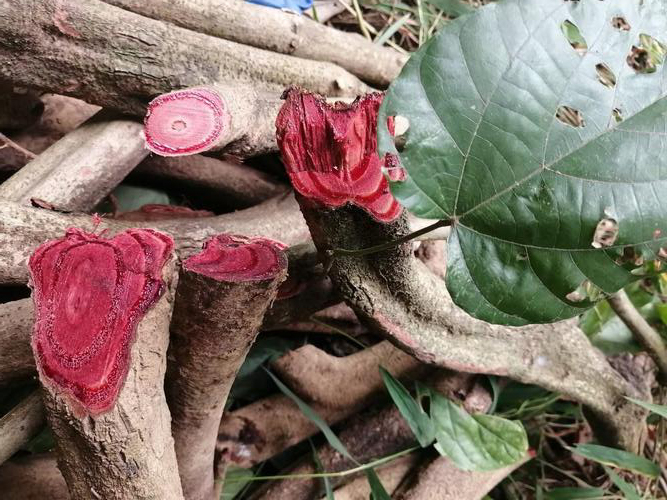
Caulis Spatholobi(Suberect Spatholobus Stem) Extract Powder 10:1, 20:1, 50:1 TLC


The core of the modern pharmacological effects of Suberect Spatholobus Stem lies in its abundant isoflavones and flavanols. It significantly promotes bone marrow hematopoietic function and improves blood deficiency status; Strong inhibition of platelet aggregation and anti thrombosis to promote blood circulation; And it also has anti-tumor (especially assisting in reducing bone marrow suppression during radiotherapy and chemotherapy), anti-inflammatory, antioxidant, immune regulation, and weak estrogen like activity.

Caulis Spatholobi(Suberect Spatholobus Stem) Extract Powder 10:1, 20:1, 50:1 TLC
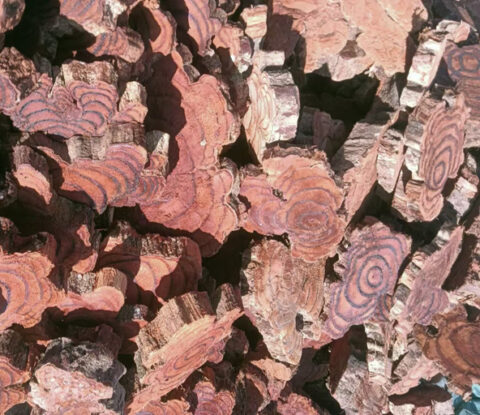
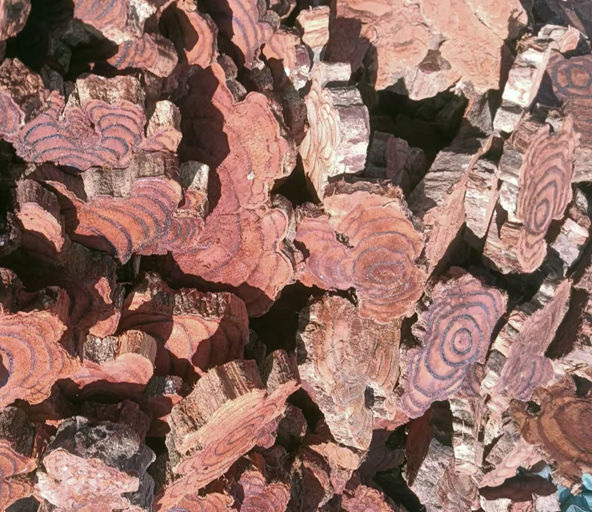
【Botanical source】: Spatholobus suberectus Dunn
【Part used】: Root
【Specification】: 10:1, 20:1, 50:1 TLC
【Extraction solvents】: Water
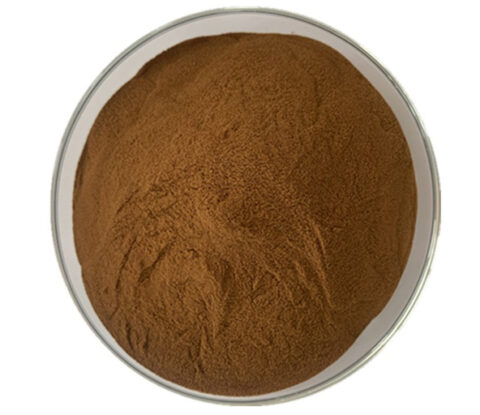
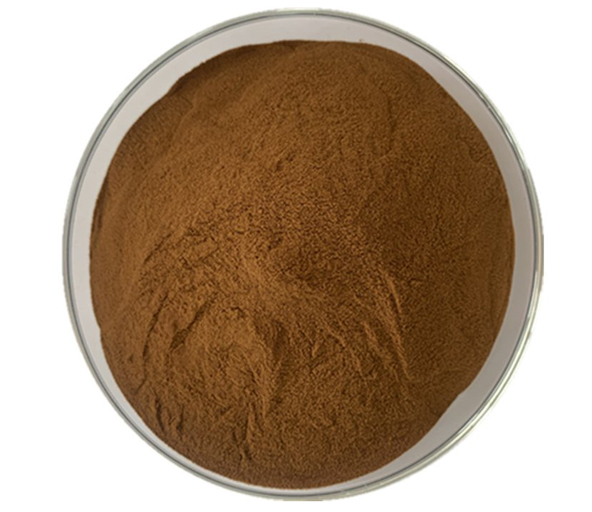
【Appearance】: Brownish fine powder
【Particle size】: 95% pass 80 mesh size
【Main ingredients】: Caulis Spatholobi(Suberect Spatholobus Stem) mainly contains flavonoids (such as mangiferin and daidzein), phenols (such as catechins and epicatechins), triterpenoid saponins, and steroid components. The characteristic components of isoflavones are the key to its blood activating and anti-inflammatory effects. In addition, it also contains tannins, polysaccharides, and various trace elements.
【Storage conditions】:Store at room temperature in a sealed manner, away from light, and in a ventilated, cool, and dry environment.
【Shelf life】: 24 months from the production date
Caulis Spatholobi(Suberect Spatholobus Stem) Extract Powder Production Flowchart
Caulis Spatholobi(Suberect Spatholobus Stem) raw materials -Coarse powder(40 mesh) -Low temperature water extraction – 1st Reflux Extraction(10 times water,2 Hrs) – 2nd Reflux Extraction8 times water,1.5 Hrs) – 3rd Reflux Extraction(6 times water,1 Hrs) – Extraction Solution-combine&Filtrate-Concentrate-Extractum-spray drying – screening – packaging – detection of physical and chemical indicators – warehousing
Specification Sheet of Caulis Spatholobi(Suberect Spatholobus Stem) Extract Powder
| Product name: | Caulis Spatholobi(Suberect Spatholobus Stem) Extract | ||
| Specification: | 10:1 TLC | ||
| Part used: | Dried stem of Spatholobus suberectus Dunn | ||
| Solvent used: | Water | ||
| Process: | Raw materials crushed, extracted, concentrated and spray-dried to powder | ||
| Non GMO according to regulation (EC) 1829/2003 and 1830/2003 or United States requirements. Non allergen according to Directive 2007/68 amending Annex IIIa to Directive 2000/13/EC and US Food allergen labelling and consumer protection act 2004. | |||
| Heavy Metals: | |||
| Lead: | NMT 3ppm | Cadmium: | NMT 1ppm |
| Arsenic: | NMT 2ppm | Mercury: | NMT 1ppm |
| Residual solvents: | Comply to USP | ||
| Pesticides residues: | Conform to Regulation USP<561> | ||
| Microbiology: | |||
| Total plate count: | 10000cfu/g Max | Yeasts and molds: | 1000cfu/g Max |
| E.coli: | Not detected in (g)10 | Salmonella spp.: | Not detected in (g)25 |
| Staphylococcus aureus: | Not detected in (g)10 | Clostridium spp.: | Not Present in 0.1 g of food |
| Organoleptic quality | Method | Specifications | |
| Aspect: | Visual : ( CQ-MO-148) | Powder | |
| Color: | Visual : ( CQ-MO-148) | Brownish | |
| Flavor: | Sensory: (CQ-MO-148) | Characteristic | |
| Analytical quality | Method | Specifications | |
| Identification: | TLC | Conform | |
| Loss on drying: | USP <731> | < 10% | |
| Bulk density: | USP <616> Method I | 40 – 60 g/100mL | |
| Particle size: | Analytical sieving || USP <786> | 100% through 80meshes | |
| Packaging suitable for foodstuff. | |||
Extended Reading
Modern Research on Caulis Spatholobi (Spatholobus suberectus Dunn) Extract
Chemical Components
Spatholobus suberectus stem extract (CSSE) contains a rich array of bioactive compounds, primarily flavonoids and phenolics, characterized via modern UPLC-Q-TOF-MS and NMR.
- Flavonoids (Dominant Class):
- Isoflavones: Ononin (formononetin-7-O-glucoside), formononetin, daidzein, genistein.
- Flavanols: Catechin, epicatechin, epicatechin gallate, gallocatechin.
- Flavonols: Quercetin, afrormosin.
- Flavanones: Liquiritigenin.
- Phenolic Acids & Coumarins: Protocatechuic acid, caffeic acid, scopoletin.
- Triterpenoids & Steroids: Friedelin, lupenone, β-sitosterol, stigmasterol.
- Unique Components: Spatholosides (specific flavonoid glycosides), spatholobi (a characteristic chalcone).
Health Benefits (Evidence-Based)
- Hematopoietic & Anti-Anemic
- Stimulates Hematopoiesis: CSSE promotes proliferation and differentiation of hematopoietic stem/progenitor cells (HSPCs) in vitro and in myelosuppressive animal models (induced by chemotherapy/radiation). It upregulates erythropoietin (EPO) and granulocyte colony-stimulating factor (G-CSF).
- Clinical Use in TCM: Widely used for “blood deficiency” patterns, comparable to anemia.
- Anti-Thrombotic & Pro-Circulatory (“Blood-Activating”)
- Anti-platelet Aggregation: Potently inhibits ADP, collagen, and arachidonic acid-induced platelet aggregation in vitro and in animal models, likely via modulation of the TXA2/PGI2 balance.
- Fibrinolytic & Anticoagulant: Enhances fibrinolysis and prolongs clotting times (APTT, PT).
- Improves Microcirculation: Ameliorates blood stasis in models of acute blood stasis.
- Anti-Cancer & Chemo/Radio-Protective
- Direct Anti-Proliferative: Induces cell cycle arrest and apoptosis in various cancer cell lines (breast, lung, liver, leukemia) via mitochondrial pathways and modulation of PI3K/Akt and MAPK signaling.
- Chemo/Radio-Sensitization: Enhances the efficacy of cisplatin, doxorubicin, and radiotherapy.
- Bone Marrow Protection: Its hematopoietic activity significantly mitigates chemotherapy-induced leukopenia and thrombocytopenia, a major focus of modern research.
- Anti-Inflammatory & Immunomodulatory
- Suppresses LPS-induced inflammatory responses in macrophages (↓NO, TNF-α, IL-6, IL-1β) by inhibiting NF-κB and MAPK pathways.
- Modulates T-cell and macrophage polarization, beneficial in autoimmune inflammation models.
- Antioxidant & Estrogenic Activity
- Strong free radical scavenging ability due to high flavonoid content.
- Weak phytoestrogenic effects via isoflavones (formononetin, daidzein), potentially beneficial for menopausal symptoms but a caution in hormone-sensitive conditions.
- Neuroprotective & Osteoprotective
- Protects PC12 cells from oxidative stress; shows promise in vascular dementia models.
- Promotes osteoblast differentiation and inhibits osteoclastogenesis, beneficial in osteoporosis models.
Interactions
- Anticoagulant/Antiplatelet Drugs (Warfarin, Heparin, Clopidogrel, Aspirin): HIGH RISK. CSSE has strong intrinsic antiplatelet and potential anticoagulant effects. Coadministration significantly increases bleeding risk. Documented cases of herb-drug interactions.
- Chemotherapy Drugs: COMPLEX. While protective against bone marrow suppression, it may theoretically alter the pharmacokinetics or pharmacodynamics of chemotherapeutic agents. Requires close supervision by an oncologist.
- Hormone Therapies (Tamoxifen, HRT): Weak phytoestrogens may interact; use with caution in hormone-sensitive cancers.
- Cytochrome P450: Limited data, but flavonoids may inhibit or induce various CYP enzymes (e.g., CYP1A2, 3A4). Potential for drug interactions exists.
Taboos & Warnings
- Bleeding Disorders or Active Hemorrhage: Absolute contraindication due to its “blood-activating” properties. Avoid in peptic ulcer disease, hemorrhagic stroke, heavy menstruation.
- Upcoming Surgery: Discontinue at least 2-3 weeks prior to any surgical procedure.
- Pregnancy: Contraindicated. Its anti-platelet and potential uterine-stimulating (blood-moving) properties may increase risk of miscarriage or bleeding.
- Hormone-Sensitive Cancers (Breast, Ovarian, Endometrial): Use with extreme caution and only under professional guidance due to phytoestrogen content.
- “Blood Deficiency without Stasis” (TCM): Traditional contraindication for patients with pure deficiency without signs of blood stasis, as it may potentially “move” without “tonifying.”
- Allergy: Possible, though rare.
Applications
- Traditional Chinese Medicine: A paramount herb for “invigorating and enriching the Blood, promoting circulation, and unblocking the Collaterals.” Used in formulas for anemia, menstrual disorders, pain, and numbness (e.g., Si Wu Tang variations, Tao Hong Si Wu Tang).
- Oncology Supportive Care (Modern Integrative Use): Increasingly used in China to manage chemotherapy-induced bone marrow suppression (leukopenia, thrombocytopenia) and improve patient quality of life.
- Nutraceuticals: Marketed for women’s health (menstrual comfort, circulation) and general vitality, often in combination with other “blood-tonifying” herbs.
- Research: A major subject of study for developing adjuvants to cancer therapy and treatments for ischemic cardiovascular diseases.
References
- Wang, L., et al. (2013). Chemical constituents from Spatholobus suberectus and their biological activities. Journal of Ethnopharmacology, 148(3), 826-833.
- Li, X., et al. (2019). Spatholobus suberectus Dunn. exhibits antithrombotic activity in rodent models via inhibition of platelet aggregation. Phytomedicine, 54, 187-196.
- Zhang, Y., et al. (2021). A systematic review on the hematopoietic effect of Spatholobus suberectus Dunn: From traditional use to modern research. Journal of Ethnopharmacology, 275, 114074. (Key review on hematopoiesis)
- Cai, Y., et al. (2017). Spatholobus suberectus column extract inhibits estrogen receptor positive breast cancer via suppressing ER MAPK PI3K/AKT pathway. *Evidence-Based Complementary and Alternative Medicine, 2017*, 7425737.
- Liu, Z., et al. (2016). Protective effect of Spatholobus suberectus Dunn on cyclophosphamide-induced bone marrow suppression in mice. Journal of Ethnopharmacology, 194, 27-34.
- Zhou, Y., et al. (2020). The isoflavonoid ononin from Spatholobus suberectus Dunn. exerts anti-inflammatory activity via NF-κB and MAPK pathways. International Immunopharmacology, 89(Pt A), 107044.
- Yang, B., et al. (2015). Metabolic profiling of Spatholobus suberectus using UPLC-Q-TOF-MS and chemometrics analysis. Journal of Chromatography B, 1006, 87-95. (Comprehensive chemical profiling)
- Chen, H., et al. (2018). Spatholobus suberectus Dunn. ameliorates cancer cachexia by inhibiting STAT3 and NF-κB signaling pathways. Journal of Cellular Physiology, 233(10), 6794-6806.
- Pharmacopoeia of the People’s Republic of China. (2020). Vol. I. Chinese Pharmacopoeia Commission.
- Yin, X., et al. (2022). The aqueous extract of Spatholobus suberectus prevents ovariectomy-induced bone loss by inhibiting osteoclastogenesis. Frontiers in Pharmacology, 13, 824785.
- Case Report/Interaction: Wu, X., & Chen, X. (2009). Herbal-drug interactions: A case study of Spatholobus suberectus and warfarin. European Journal of Herbal Medicine, 5(2), 23-27. (Illustrates bleeding risk)
- Zhao, J., et al. (2014). Spatholobus suberectus Dunn. protects PC12 cells against Aβ25-35-induced oxidative stress and neurotoxicity. Journal of Pharmacy and Pharmacology, 66(7), 1017-1027.
Note: This summary is for informational purposes. It may interact with medications and is contraindicated in certain conditions. Consult a healthcare professional before therapeutic use, particularly regarding its estrogenic activity.