
Sugarcane Extract Powder Polyphenols 20% UV, Octacosanol 50%, 60% HPLC


The main function of sugarcane extract is to provide rapid energy and water supplementation. Its core active ingredients, such as polyphenols and octacosanol, endow it with antioxidant and anti-inflammatory properties, helping to regulate blood lipids, protect the liver, and provide positive support for skin health and wound healing.

Sugarcane Extract Powder Polyphenols 20% UV, Octacosanol 50%, 60% HPLC
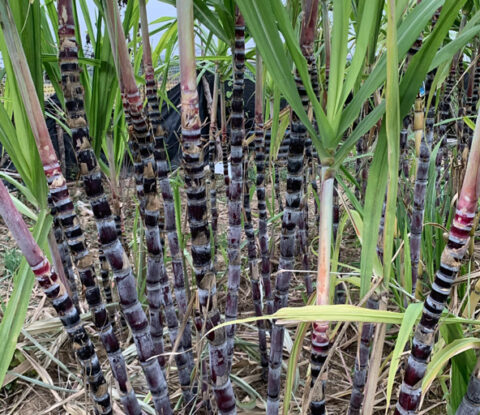
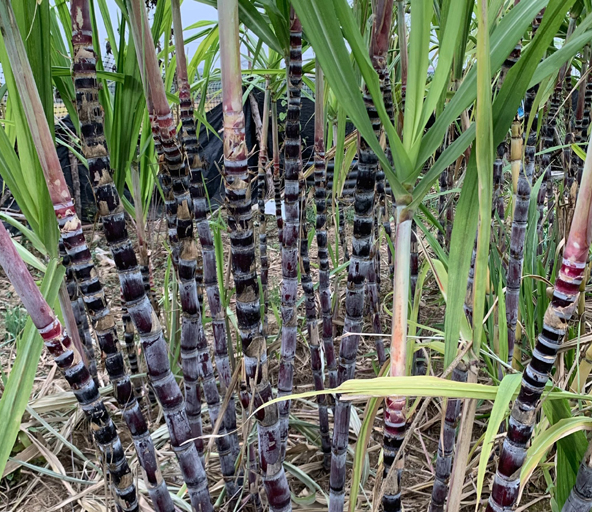
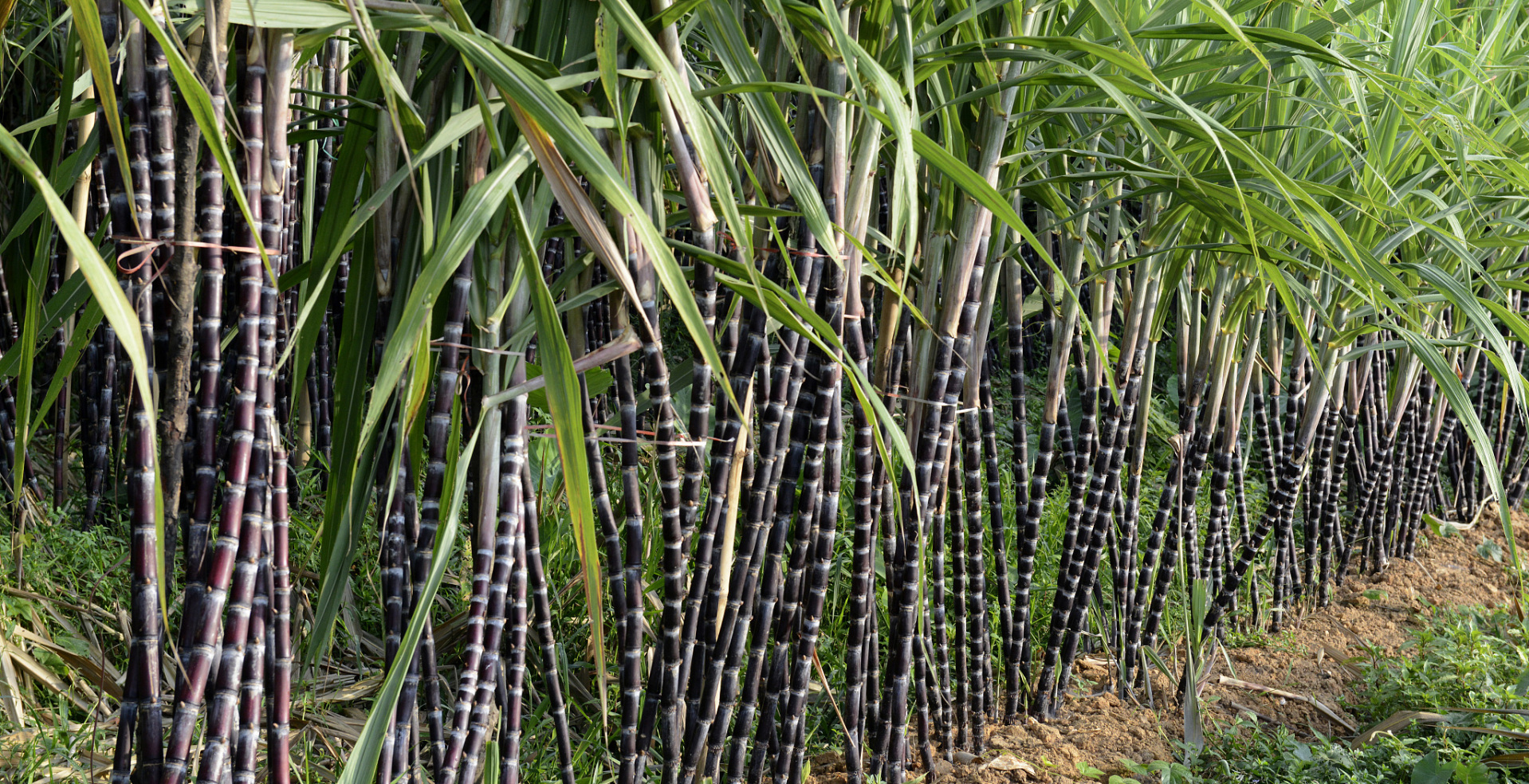
【Botanical source】: Saccharum officinarum L.
【Part used】: Stem
【Specification】: Polyphenols 20% UV, Octacosanol 50%, 60% HPLC
【Extraction solvents】: Water
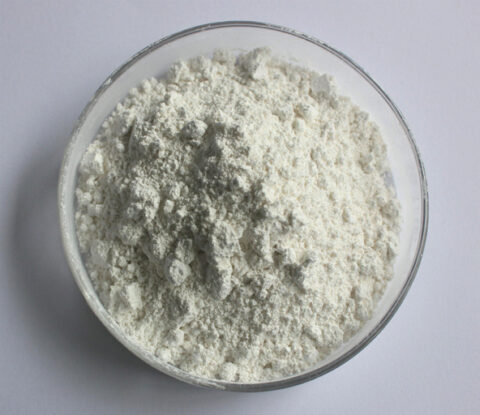
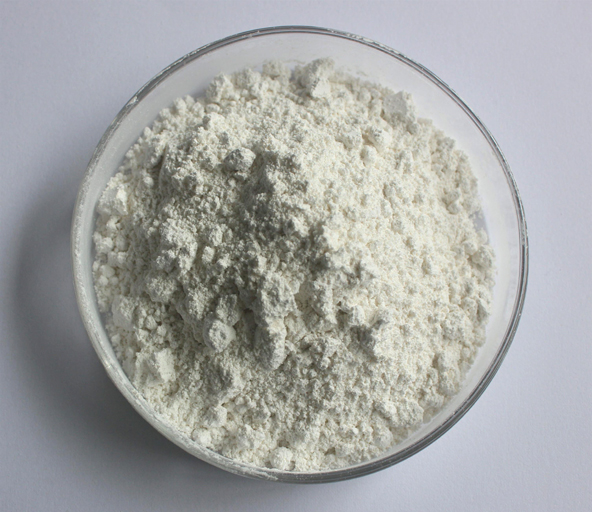
【Appearance】: White fine powder
【Particle size】: 95% pass 80 mesh size
【Main ingredients】: The main component of sugarcane is sucrose (about 12-17%), which is rich in carbohydrates such as fructose and glucose. Its core nutritional value lies in various amino acids, B vitamins (such as B1, B2), vitamin C, as well as minerals such as calcium, phosphorus, iron, magnesium, and potassium. In addition, it also contains polyphenolic antioxidants.
【Storage conditions】:Store at room temperature in a sealed manner, away from light, and in a ventilated, cool, and dry environment.
【Shelf life】: 24 months from the production date
Sugarcane Extract Powder Production Flowchart
Sugarcane raw materials -Coarse powder(40 mesh) -Low temperature water extraction – 1st Reflux Extraction(10 times water,2 Hrs) – 2nd Reflux Extraction8 times water,1.5 Hrs) – 3rd Reflux Extraction(6 times water,1 Hrs) – Extraction Solution-combine&Filtrate-Concentrate-Extractum-spray drying – screening – packaging – detection of physical and chemical indicators – warehousing
Specification Sheet of Sugarcane Extract Powder
| Product name: | Sugarcane Extract | ||
| Specification: | 10:1 TLC | ||
| Part used: | Stem of Saccharum officinarum L. | ||
| Solvent used: | Water | ||
| Process: | Raw materials crushed, extracted, concentrated and spray-dried to powder | ||
| Non GMO according to regulation (EC) 1829/2003 and 1830/2003 or United States requirements. Non allergen according to Directive 2007/68 amending Annex IIIa to Directive 2000/13/EC and US Food allergen labelling and consumer protection act 2004. | |||
| Heavy Metals: | |||
| Lead: | NMT 3ppm | Cadmium: | NMT 1ppm |
| Arsenic: | NMT 2ppm | Mercury: | NMT 1ppm |
| Residual solvents: | Comply to USP | ||
| Pesticides residues: | Conform to Regulation USP<561> | ||
| Microbiology: | |||
| Total plate count: | 10000cfu/g Max | Yeasts and molds: | 1000cfu/g Max |
| E.coli: | Not detected in (g)10 | Salmonella spp.: | Not detected in (g)25 |
| Staphylococcus aureus: | Not detected in (g)10 | Clostridium spp.: | Not Present in 0.1 g of food |
| Organoleptic quality | Method | Specifications | |
| Aspect: | Visual : ( CQ-MO-148) | Powder | |
| Color: | Visual : ( CQ-MO-148) | White | |
| Flavor: | Sensory: (CQ-MO-148) | Characteristic | |
| Analytical quality | Method | Specifications | |
| Identification: | TLC | Conform | |
| Loss on drying: | USP <731> | < 10% | |
| Bulk density: | USP <616> Method I | 40 – 60 g/100mL | |
| Particle size: | Analytical sieving || USP <786> | 100% through 80meshes | |
| Packaging suitable for foodstuff. | |||
Extended Reading
Chemical Components and Research Highlights on Sugarcane Extract
Sugarcane (Saccharum officinarum L.) extract, particularly from non-juice parts (like leaves, bagasse, and rind) or processed forms like molasses and sugarcane wax, is a rich source of diverse bioactive compounds beyond sucrose.
Key Chemical Components:
- Polyphenols: Rich in phenolic acids (hydroxycinnamic acids like chlorogenic, caffeic, ferulic acids) and flavonoids (apigenin, luteolin, tricin).
- Policosanols: Long-chain primary alcohols (e.g., octacosanol, triacontanol), particularly concentrated in sugarcane wax.
- Phytosterols: β-sitosterol, stigmasterol.
- Organic Acids: Aconitic, malic, and citric acids.
- Carbohydrates: Sucrose, in addition to hemicellulose and fibers in bagasse extracts.
- Minerals & Vitamins: Potassium, magnesium, calcium, iron, and B-vitamins.
Summary of Key Research Findings:
- Antioxidant & Anti-inflammatory Activity
- High polyphenol content contributes to significant free radical scavenging and reduction of inflammatory markers (e.g., TNF-α, IL-6) in cellular and animal models.
- Cardiovascular & Metabolic Health
- Policosanols (Octacosanol): Clinically shown to reduce LDL-cholesterol, increase HDL-cholesterol, and inhibit platelet aggregation, comparable to some statins in early studies.
- Antidiabetic Potential: Certain polyphenols in extract demonstrate α-glucosidase and α-amylase inhibitory activity, aiding postprandial glucose control.
- Hepatoprotective & Anti-fatty Liver Effects
- Extract shows protective effects against chemical-induced liver damage and non-alcoholic fatty liver disease (NAFLD) in rodent models, linked to antioxidant and lipid-lowering actions.
- Immunomodulatory & Antimicrobial Properties
- Enhances immune response in some studies; phenolic compounds show growth inhibition against various bacteria and fungi.
- Wound Healing & Skin Health
- Topical application of polyphenol-rich extract promotes wound contraction, collagen deposition, and exhibits anti-aging properties in skincare research.
- Neuroprotective Potential (Preliminary)
- Emerging in vitro and animal studies suggest protection against oxidative stress in neuronal cells, potentially relevant for neurodegenerative conditions.
Current Research Gaps:
- Standardization of active compounds (policosanols vs. polyphenols).
- Long-term human trial data for many proposed benefits.
- Mechanisms of action for policosanols are still not fully elucidated.
References:
- Duarte-Almeida, J. M., et al. (2011). Antioxidant activity and phenolic composition of Brazilian sugarcane varieties. Food Chemistry.
- Goun, E. A., et al. (2003). Anticancer and antithrombin activity of Saccharum officinarum L. leaves. Journal of Agricultural and Food Chemistry.
- H. H. S. Fonseca, et al. (2014). Policosanol: Clinical pharmacology and therapeutic significance of a new lipid-lowering agent. American Heart Journal.
- Singh, A., et al. (2015). Sugarcane bagasse: A potential low-cost biosorbent for the removal of hazardous materials. Industrial Crops and Products (Includes bioactivity review).
- Wu, L., et al. (2022). Bioactive compounds from sugarcane and their potential health benefits: A review. Food Bioscience.
Note: This summary is for informational purposes. It may interact with medications and is contraindicated in certain conditions. Consult a healthcare professional before therapeutic use, particularly regarding its estrogenic activity.