
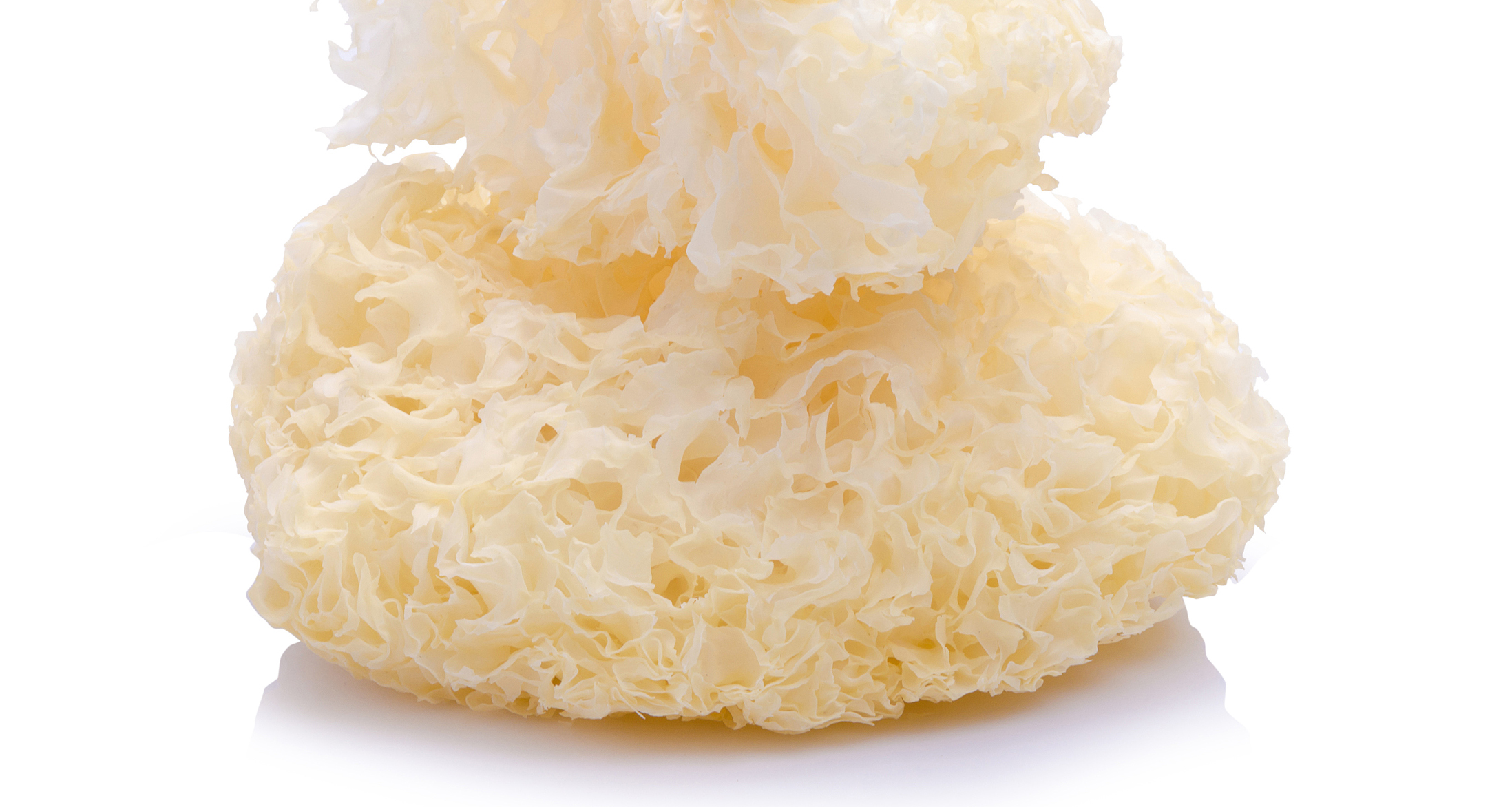
Tremella Fuciformis (Silver Ear Mushroom) Extract Powder 10:1, 20:1, 50:1 TLC, Polysaccharides 30% UV


The pharmacological effects of Tremella fuciformis stem from its unique Tremella fuciformis polysaccharide, which has excellent moisturizing and repairing abilities and can promote skin barrier health. It can effectively enhance the body's immunity, exert antioxidant and anti-inflammatory effects, and has the potential to protect the nervous system. In addition, Tremella fuciformis polysaccharides also help regulate blood sugar and lipid levels, improve gut microbiota, and are often used as an adjuvant to alleviate the side effects of radiotherapy and chemotherapy and for body repair.

Tremella Fuciformis (Silver Ear Mushroom) Extract Powder 10:1, 20:1, 50:1 TLC, Polysaccharides 30% UV
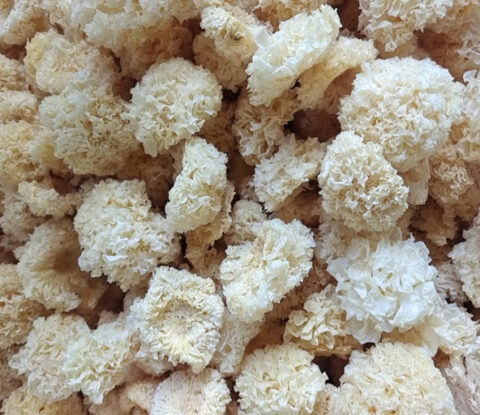
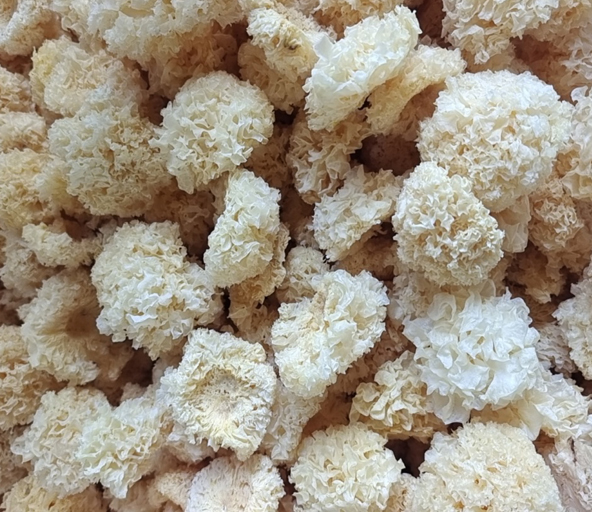
【Botanical source】: Tremella fuciformis Berk.
【Part used】: Frutingbody
【Specification】: 10:1, 20:1, 50:1 TLC, Polysaccharides 30% UV
【Extraction solvents】: Water
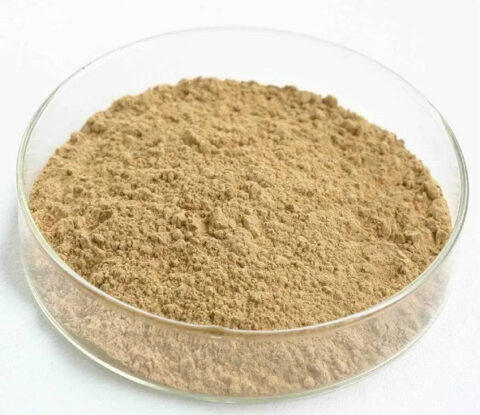
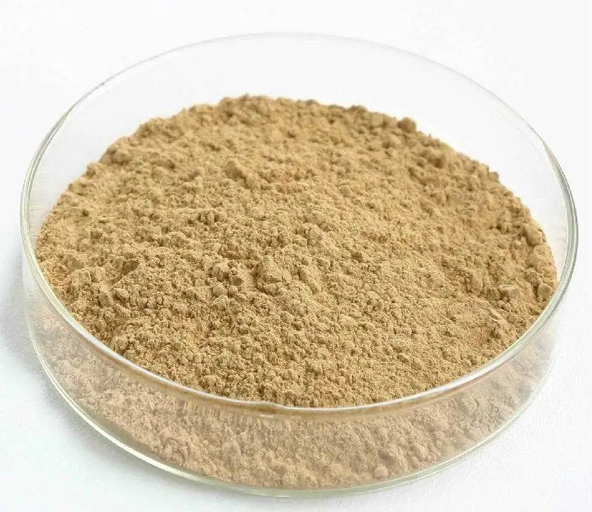
【Appearance】: Brownish yellow fine powder
【Particle size】: 95% pass 80 mesh size
【Main ingredients】: The main pharmacological component of Tremella fuciformis is Tremella fuciformis polysaccharide, which is an acidic heteropolysaccharide with α – (1 → 3) – D-mannose as the main chain and contains side chains such as glucuronic acid and xylose. Other components include glycoproteins, dietary fiber, and trace sterols. These ingredients endow it with excellent moisturizing, immune enhancing, antioxidant, anti-inflammatory, neuroprotective, and blood glucose and lipid regulating multiple biological activities.
【Storage conditions】:Store at room temperature in a sealed manner, away from light, and in a ventilated, cool, and dry environment.
【Shelf life】: 24 months from the production date
Tremella Fuciformis (Silver Ear Mushroom) Extract Powder Production Flowchart
Tremella Fuciformis frutingbody raw Flammulina Velutipes materials -Coarse powder(40 mesh) -Low temperature water extraction – 1st Reflux Extraction(10 times water,2 Hrs) – 2nd Reflux Extraction8 times water,1.5 Hrs) – 3rd Reflux Extraction(6 times water,1 Hrs) – Extraction Solution-combine&Filtrate-Concentrate-Extractum-spray drying – screening – packaging – detection of physical and chemical indicators – warehousing
Specification Sheet of Tremella Fuciformis (Silver Ear Mushroom) Extract Powder
| Product name: | Tremella Fuciformis Extract | ||
| Specification: | 30% polysaccharides UV | ||
| Part used: | Fruitbody of Tremella fuciformis Berk. | ||
| Solvent used: | Water | ||
| Process: | Raw materials crushed, extracted, concentrated and spray-dried to powder | ||
| Non GMO according to regulation (EC) 1829/2003 and 1830/2003 or United States requirements. Non allergen according to Directive 2007/68 amending Annex IIIa to Directive 2000/13/EC and US Food allergen labelling and consumer protection act 2004. | |||
| Heavy Metals: | |||
| Lead: | NMT 3ppm | Cadmium: | NMT 1ppm |
| Arsenic: | NMT 2ppm | Mercury: | NMT 1ppm |
| Residual solvents: | Comply to USP | ||
| Pesticides residues: | Conform to Regulation USP<561> | ||
| Microbiology: | |||
| Total plate count: | 10000cfu/g Max | Yeasts and molds: | 1000cfu/g Max |
| E.coli: | Not detected in (g)10 | Salmonella spp.: | Not detected in (g)25 |
| Staphylococcus aureus: | Not detected in (g)10 | Clostridium spp.: | Not Present in 0.1 g of food |
| Organoleptic quality | Method | Specifications | |
| Aspect: | Visual : ( CQ-MO-148) | Powder | |
| Color: | Visual : ( CQ-MO-148) | Light brownish | |
| Flavor: | Sensory: (CQ-MO-148) | Characteristic | |
| Analytical quality | Method | Specifications | |
| Identification: | TLC | Conform | |
| Loss on drying: | USP <731> | < 10% | |
| Bulk density: | USP <616> Method I | 40 – 60 g/100mL | |
| Particle size: | Analytical sieving || USP <786> | 100% through 80meshes | |
| Packaging suitable for foodstuff. | |||
Extended Reading
Modern Pharmacological Research Summary: Tremella fuciformis (Silver Ear Mushroom) Extract
- Key Bioactive Chemical Components:
The primary and most significant bioactive component of Tremella fuciformisis its heteropolysaccharide complex, notably Tremella fuciformis polysaccharide (TFP). TFP is an acidic branched heteropolysaccharide composed mainly of α-(1→3)-D-mannanwith a backbone containing glucose, glucuronic acid, xylose, and fucose side chains. Other constituents include:
- Glycoproteins: Polysaccharide-protein complexes.
- Dietary Fiber.
- Minor components: Sterols, flavonoids, and trace minerals.
- Documented Pharmacological Benefits (In Vitro, In Vivo, & Preliminary Clinical Evidence):
- Moisture Retention & Skin Health: A cornerstone of its traditional use, TFP demonstrates exceptional hygroscopic and moisturizing properties, superior to hyaluronic acid (HA) in some studies. It promotes hydration, improves skin barrier function, and has anti-wrinkle and wound-healing effects.
- Immunomodulation: TFP activates immune cells (macrophages, NK cells, T- and B-lymphocytes), enhances phagocytosis, and stimulates cytokine production, thereby boosting both innate and adaptive immunity.
- Antioxidant & Anti-aging: Scavenges free radicals (DPPH, hydroxyl, superoxide), reduces oxidative stress, protects cells from UV-induced damage, and may extend lifespan in model organisms by modulating antioxidant enzymes (SOD, CAT).
- Neuroprotection: Exhibits protective effects in models of cognitive impairment (e.g., Alzheimer’s disease) by reducing oxidative stress, inhibiting acetylcholinesterase, and mitigating neuroinflammation.
- Metabolic & Endocrine Health: Shows hypoglycemic effects by improving insulin sensitivity and inhibiting intestinal glucose absorption. Also exhibits hypolipidemic properties, lowering serum total cholesterol and triglycerides. May offer protective effects against diabetic complications.
- Anti-inflammatory: Modulates inflammatory pathways (e.g., NF-κB, MAPK), reducing the production of pro-inflammatory mediators (NO, PGE2, TNF-α, IL-6).
- Gut Health & Prebiotic Activity: Acts as a prebiotic, promoting the growth of beneficial gut microbiota (e.g., Lactobacillus, Bifidobacterium), which contributes to overall metabolic and immune health.
- Radiation Protection & Anti-fatigue: Demonstrates potential in mitigating radiation-induced damage and improving endurance in animal fatigue models.
- Adjuvant in Oncology Therapy: Often used alongside chemotherapy/radiotherapy in traditional practice to reduce toxic side effects (like myelosuppression and immunosuppression) and improve quality of life, primarily through immune support and tissue protection.
- Drug & Nutrient Interactions:
- Antidiabetic Drugs: Potential additive hypoglycemic effect. Concurrent use with insulin, sulfonylureas, or metformin may require closer blood glucose monitoring to avoid hypoglycemia.
- Immunosuppressants: Its immunostimulating activity could theoretically antagonize the effects of drugs like cyclosporine, tacrolimus, or corticosteroids. Caution is advised for organ transplant recipients or those with active autoimmune disorders.
- Anticoagulant/Antiplatelet Drugs: Although not a primary effect, some polysaccharides can influence coagulation. There is a theoretical risk of increased bleeding when combined with warfarin, heparin, or antiplatelet agents (e.g., aspirin, clopidogrel).
- Chemotherapy/Radiotherapy: Widely used as a supportive adjuvant in integrative oncology to alleviate side effects. Consultation with an oncologist is crucial for appropriate timing and dosage.
- Taboos & Safety Considerations:
- General Safety: Considered very safe for most people, reflected in its long history as a food. Adverse effects from oral consumption are rare.
- Allergy: Allergic reactions are uncommon but possible, especially in atopic individuals.
- Surgery: Given its mild immunomodulatory and potential anticoagulant properties, it is prudent to discontinue use at least 2 weeks prior to any scheduled surgical procedure.
- Autoimmune Diseases: Individuals with conditions such as lupus, rheumatoid arthritis, or multiple sclerosis should use with caution due to its immune-enhancing potential.
- Pregnancy & Lactation: While traditionally consumed, there is a lack of specific pharmacological safety data for high-dose extracts during pregnancy and breastfeeding; therefore, standard dietary amounts are considered safe, but therapeutic supplementation should be avoided.
- Dosage & Formulation:
No standard clinical dosage has been established. Dosages vary based on formulation and purpose.
- Common Research Dosages (for dried fruiting body or extract):
- General health/immunity/skin support: 1-3 grams per day.
- Adjunctive therapeutic use (e.g., during convalescence, oncology support): 3-6 grams per day, often in divided doses.
- Common Forms: Powdered whole mushroom, standardized polysaccharide extracts (e.g., >30% polysaccharides), capsules, tablets, and topical skincare formulations.
- Guidance: Start with a lower dose to assess tolerance. For therapeutic purposes, especially alongside medications, consultation with a qualified healthcare practitioner is essential.
References
- Chen, X., et al. (2018). Tremella fuciformis polysaccharide attenuates oxidative stress and inflammation in macrophages. International Journal of Biological Macromolecules, 117, 505-512.
- Cho, E. J., et al. (2007). Antioxidant and memory enhancing effects of Tremella fuciformis polysaccharide in scopolamine-treated mice. Journal of Medicinal Food, 10(2), 309-315.
- Deng, C., et al. (2016). Extraction, characterization and antioxidant activities of polysaccharides from Tremella fuciformis. International Journal of Biological Macromolecules, 82, 77-84.
- Gao, Q., et al. (2020). Tremella fuciformis polysaccharides alleviate cognitive impairment by modulating gut microbiota in D-galactose-induced aging mice. Food & Function, 11(10), 9175-9188.
- Kiho, T., et al. (1995). Antidiabetic effect of an acidic polysaccharide (TAP) from Tremella fuciformis and its degradation product (TAP-H). Biological & Pharmaceutical Bulletin, 18(12), 1627-1629.
- Lee, J. H., et al. (2008). Antioxidant and anti-inflammatory activities of Tremella fuciformis. Journal of Food Biochemistry, 32(2), 211-223.
- Li, S., & Shah, N. P. (2016). Anti-inflammatory and anti-oxidant activities of polysaccharides from Tremella fuciformis. Journal of Functional Foods, 27, 354-366.
- Park, H. J., et al. (2011). Moisture retention and skin elasticity of Tremella fuciformis polysaccharide in a moisturizer. Journal of Cosmetic Science, 62(2), 205-211.
- Reshetnikov, S. V., et al. (2001). Higher Basidiomycota as a source of antitumor and immunostimulating polysaccharides. International Journal of Medicinal Mushrooms, 3(1), 1-33.
- Ukai, S., et al. (1983). Antitumor activity on sarcoma 180 of the polysaccharides from Tremella fuciformis Berk. Chemical & Pharmaceutical Bulletin, 31(2), 741-744.
- Wu, Q., et al. (2019). Tremella fuciformis polysaccharide suppresses hydrogen peroxide-triggered injury of human skin fibroblasts via upregulation of SIRT1. Molecular Medicine Reports, 20(2), 1125-1132.
- Zhang, Y., et al. (2020). Structural characterization and immunomodulatory activity of a polysaccharide from Tremella fuciformis. Carbohydrate Polymers, 229, 115475.
Disclaimer: This information consolidates current preclinical and limited clinical research. Pleurotus eryngii extract is a dietary supplement, not a medicine. Its effects can vary based on strain, cultivation, and extraction methods. Consultation with a healthcare provider is recommended before therapeutic use, especially for individuals with health conditions or those taking medications.