
Vervain(Verbena) Extract Powder 10:1, 20:1, 50:1 TLC

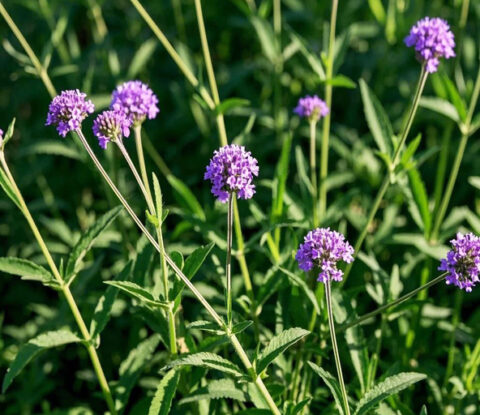


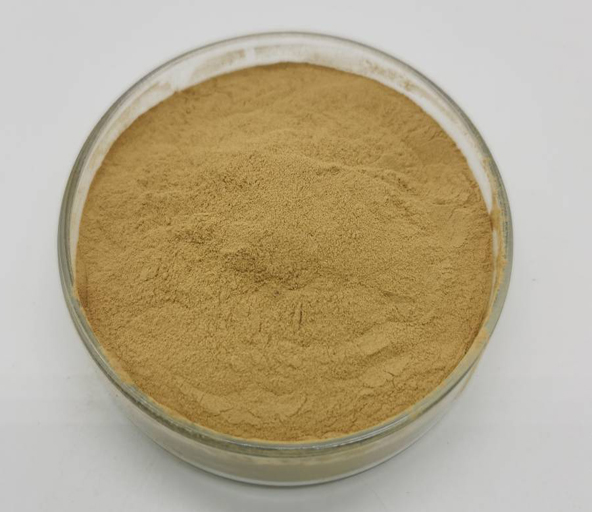
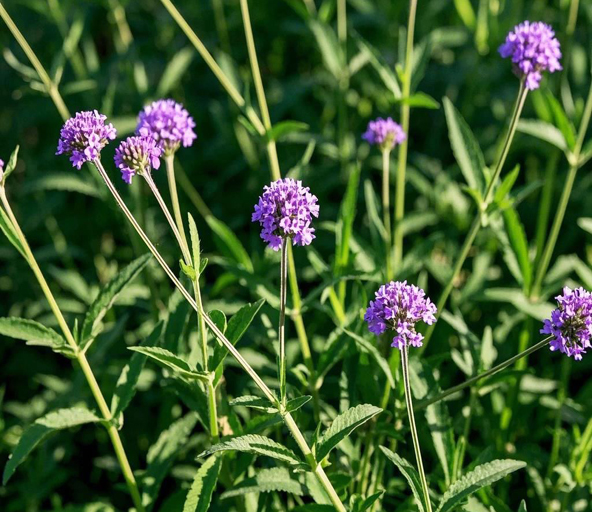
Vervain(Verbena) has a cool nature and a bitter taste. Return to the liver and spleen meridians. The efficacy is to promote blood circulation, disperse blood stasis, clear heat and detoxify, promote diuresis and reduce swelling, and intercept malaria. Modern pharmacology has confirmed that it has anti-inflammatory, analgesic, anti-tumor, uterine contraction promoting, antimalarial, and antiviral effects. Commonly used for treating colds and fever, sore throat, dysmenorrhea and amenorrhea, abscesses and toxins, as well as malaria and fever.

Vervain(Verbena) Extract Powder 10:1, 20:1, 50:1 TLC
【Botanical source】: Verbena officinalis L.
【Part used】: Whole herb
【Specification】: 10:1, 20:1, 50:1 TLC
【Extraction solvents】: Water
【Appearance】: Brownish fine powder
【Particle size】: 95% pass 80 mesh size
【Main ingredients】: The main components of verbena are iridoid glycosides (verbascoside), flavonoids (apigenin, luteolin), triterpenoids (ursolic acid), and volatile oils. It has pharmacological activities such as anti-inflammatory, analgesic, anti-tumor, promoting uterine contractions, and anti early pregnancy. It is traditionally used to treat colds, fever, sore throat, abscesses, and gynecological stasis.
【Storage conditions】:Store at room temperature in a sealed manner, away from light, and in a ventilated, cool, and dry environment.
【Shelf life】: 24 months from the production date.
Vervain(Verbena) Extract Powder Production Flowchart
Vervain(Verbena) raw materials -Coarse powder(40 mesh) -Low temperature water extraction – 1st Reflux Extraction(10 times water,2 Hrs) – 2nd Reflux Extraction8 times water,1.5 Hrs) – 3rd Reflux Extraction(6 times water,1 Hrs) – Extraction Solution-combine&Filtrate-Concentrate-Extractum-spray drying – screening – packaging – detection of physical and chemical indicators – warehousing
Specification Sheet of Vervain(Verbena) Extract Powder
| Product name: | Vervain(Verbena) Extract | ||
| Specification: | 10:1 TLC | ||
| Part used: | Whole herb of Verbena officinalis L. | ||
| Solvent used: | Water | ||
| Process: | Raw materials crushed, extracted, concentrated and spray-dried to powder | ||
| Non GMO according to regulation (EC) 1829/2003 and 1830/2003 or United States requirements. Non allergen according to Directive 2007/68 amending Annex IIIa to Directive 2000/13/EC and US Food allergen labelling and consumer protection act 2004. | |||
| Heavy Metals: | |||
| Lead: | NMT 3ppm | Cadmium: | NMT 1ppm |
| Arsenic: | NMT 2ppm | Mercury: | NMT 1ppm |
| Residual solvents: | Comply to USP | ||
| Pesticides residues: | Conform to Regulation USP<561> | ||
| Microbiology: | |||
| Total plate count: | 10000cfu/g Max | Yeasts and molds: | 1000cfu/g Max |
| E.coli: | Not detected in (g)10 | Salmonella spp.: | Not detected in (g)25 |
| Staphylococcus aureus: | Not detected in (g)10 | Clostridium spp.: | Not Present in 0.1 g of food |
| Organoleptic quality | Method | Specifications | |
| Aspect: | Visual : ( CQ-MO-148) | Powder | |
| Color: | Visual : ( CQ-MO-148) | Brownish | |
| Flavor: | Sensory: (CQ-MO-148) | Characteristic | |
| Analytical quality | Method | Specifications | |
| Identification: | TLC | Conform | |
| Loss on drying: | USP <731> | < 10% | |
| Bulk density: | USP <616> Method I | 40 – 60 g/100mL | |
| Particle size: | Analytical sieving || USP <786> | 100% through 80meshes | |
| Packaging suitable for foodstuff. | |||
Extended Reading
Modern Research on Vervain (Verbena officinalis) Extract
- Chemical Components:
Vervain’s bioactivity stems from a complex profile of iridoids, phenolics, and flavonoids:
- Iridoid Glycosides: Verbenalin (cornin) and hastatoside are characteristic and major bioactive compounds, often used as markers for standardization.
- Phenolic Acids & Flavonoids: Contains significant amounts of verbascoside (acteoside), luteolin, apigenin, and their derivatives, contributing to strong antioxidant effects.
- Triterpenes: Ursolic acid and oleanolic acid, known for their anti-inflammatory and antitumor properties.
- Volatile Oils: Limited quantities, containing citral, geraniol, and other terpenes.
- Other: Minor alkaloids (e.g., verbenine) and sterols.
- Documented Health Benefits (Pharmacological Actions):
- Anti-Inflammatory & Analgesic: Verbenalin and verbascoside inhibit key inflammatory mediators (TNF-α, IL-6, PGE2, COX-2) via the NF-κB and MAPK pathways. Demonstrated efficacy in animal models of arthritis and neuropathic pain.
- Neuroprotective & Anxiolytic: Shows GABAergic activity, modulating neurotransmitter systems. Exhibits antidepressant and anxiolytic effects in rodent behavioral tests, potentially via monoaminergic regulation and neuroprotection against oxidative stress.
- Antioxidant: High phenolic content confers potent free radical scavenging and metal chelating capacity, reducing oxidative damage in biological systems.
- Antimicrobial & Antiviral: Extracts show inhibitory activity against bacteria (e.g., Staphylococcus aureus) and viruses (e.g., herpes simplex virus HSV-1), linked to verbascoside and other phenolics.
- Other Potential Activities: Preliminary studies suggest hepatoprotective, anti-tumor (inducing apoptosis), galactagogue (milk-promoting), and smooth muscle-relaxant (spasmolytic) properties.
III. Interactions, Taboos, and Warnings:
- Drug Interactions:
- CNS Depressants (e.g., benzodiazepines, barbiturates): Potential additive sedative effects.
- Antihypertensives: May potentiate blood pressure-lowering effects due to possible vasorelaxant properties.
- Iron Supplements: Tannins may inhibit non-heme iron absorption; separate administration by several hours.
- Contraindications (Taboo): Pregnancy (traditional and in vitro data indicate uterine stimulant effects). Not recommended during breastfeeding due to insufficient safety data. Caution in individuals with known hypersensitivity to plants in the Verbenaceae family.
- Warnings/Side Effects: Generally considered safe at typical doses. High doses may cause gastrointestinal irritation, nausea, or diarrhea due to iridoid content. Long-term safety data is lacking.
- Applications:
- Nutraceuticals: Used in capsules, tinctures, and teas for nervous system support (anxiety, mild depression), as a general anti-inflammatory, and for respiratory health.
- Traditional & Complementary Medicine: A staple in European and Chinese herbalism for “nervous exhaustion,” insomnia, depression, gout, and upper respiratory catarrh.
- Cosmeceuticals: Incorporated into skincare products for its antioxidant and anti-inflammatory properties.
- Animal Health: Explored in ethnoveterinary practice for its calming and anti-inflammatory effects.
References
- Calvo, M. I. (2006). Anti-inflammatory and analgesic activity of the topical preparation of Verbena officinalis L. Journal of Ethnopharmacology, *107*(3), 380–382.
- Deepak, M., & Handa, S. S. (2000). Antiinflammatory activity and chemical composition of extracts of Verbena officinalis. Phytotherapy Research, *14*(6), 463–465.
- Móricz, Á. M., Ott, P. G., Böszörményi, A., et al. (2015). Antibacterial activity of Verbena officinalis and Minuartia verna herb extracts. Natural Product Communications, *10*(11), 1934578X1501001127.
- Yuan, Y., Wang, Y., Liu, Y., & Li, X. (2021). Verbascoside: A neuroprotective phenylethanoid glycoside with anti-depressant-like properties. Biomedicine & Pharmacotherapy, *141*, 111937.
- Liu, Q., Liu, H., Zhang, L., Guo, T., & Wang, Y. (2019). Antitumor effects of verbenalin on human gastric carcinoma cells. Oncology Letters, *17*(2), 1517–1524.
- European Medicines Agency (EMA). (2010). Assessment report on Verbena officinalis L., herba.
- Zhao, Y., Cui, L., Pan, Y., et al. (2021). The pharmacological effects and mechanisms of Verbena officinalis and its active constituents. Chinese Journal of Natural Medicines, *19*(8), 561–571.
Note: This summary is for informational purposes. It may interact with medications and is contraindicated in certain conditions. Consult a healthcare professional before therapeutic use, particularly regarding its estrogenic activity.