
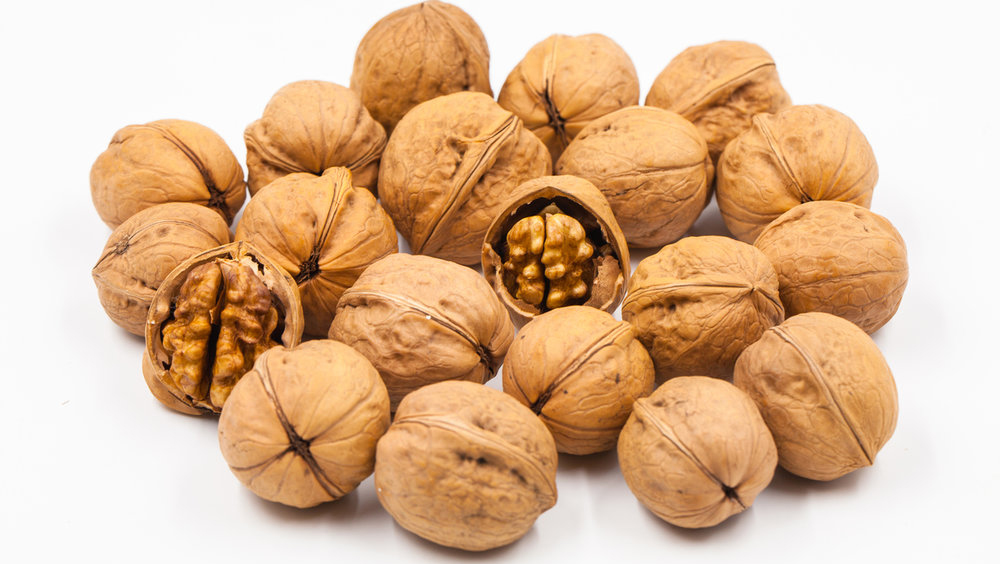
Walnut Kernel Extract Powder 10:1, 20:1, 50:1 TLC


Modern pharmacological studies have shown that the pharmacological effects of walnut kernel stem from the synergistic effects of its active ingredients, including polyphenols, ellagic acid, α-linolenic acid, and juglone. Through potent antioxidant and anti-inflammatory mechanisms, it exerts multiple beneficial effects, including neuroprotection (improving cognition and inhibiting Aβ aggregation), improving cardiovascular and cerebrovascular metabolism (regulating blood lipids and protecting endothelial function), and regulating systemic health via the "gut-brain axis".

Walnut Kernel Extract Powder 10:1, 20:1, 50:1 TLC
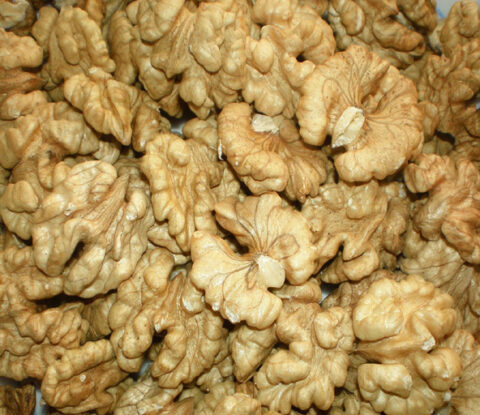
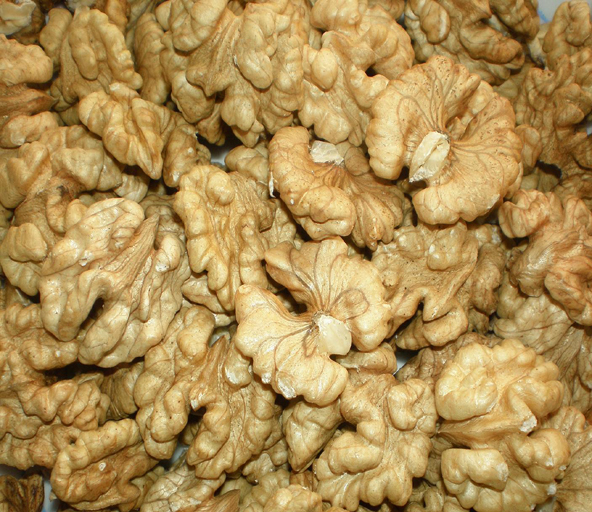
【Botanical source】: Juglans regia L.
【Part used】: kernel
【Specification】: 10:1, 20:1, 50:1 TLC
【Extraction solvents】: Water
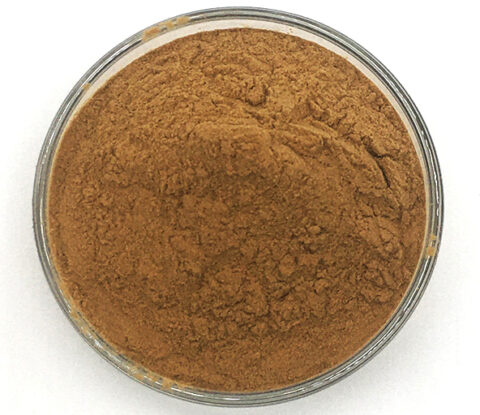
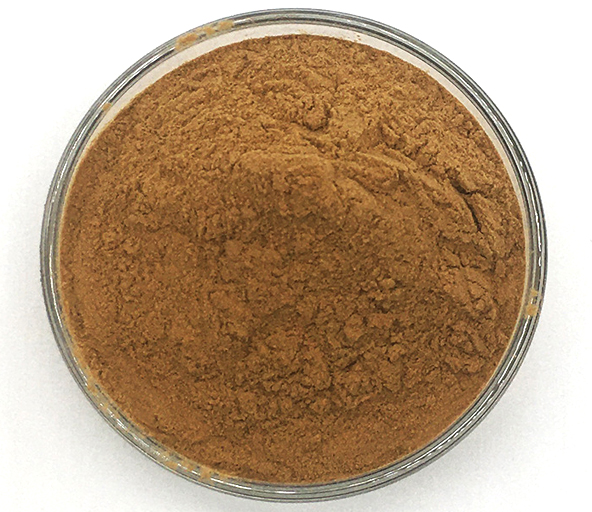
【Appearance】: Brownish yellow fine powder
【Particle size】: 95% pass 80 mesh size
【Main ingredients】: The main components of walnuts include:
Fat (about 65%, mainly composed of unsaturated fatty acids, including omega-3)
Protein (about 15%)
Carbohydrates (about 13%, mostly dietary fiber)
Vitamins (E, B group)
Minerals (magnesium, phosphorus, zinc, potassium)
Plant compounds (polyphenols, melatonin, etc.)
【Storage conditions】:Store at room temperature in a sealed manner, away from light, and in a ventilated, cool, and dry environment
【Shelf life】: 24 months from the production date
Walnut Extract Production Flowchart
Walnut kernel raw materials -Coarse powder(40 mesh) -Low temperature water extraction – 1st Reflux Extraction(10 times water,2 Hrs) – 2nd Reflux Extraction8 times water,1.5 Hrs) – 3rd Reflux Extraction(6 times water,1 Hrs) – Extraction Solution-combine&Filtrate-Concentrate-Extractum-spray drying – screening – packaging – detection of physical and chemical indicators – warehousing
Specification Sheet of Walnut Kernel Extract Powder
| Product name: | Walnut Kernel Extract | ||
| Specification: | 10:1 TLC | ||
| Part used: | Kernel of Juglans regia L. | ||
| Solvent used: | Water | ||
| Process: | Raw materials crushed, extracted, concentrated and spray-dried to powder | ||
| Non GMO according to regulation (EC) 1829/2003 and 1830/2003 or United States requirements. Non allergen according to Directive 2007/68 amending Annex IIIa to Directive 2000/13/EC and US Food allergen labelling and consumer protection act 2004. | |||
| Heavy Metals: | |||
| Lead: | NMT 3ppm | Cadmium: | NMT 1ppm |
| Arsenic: | NMT 2ppm | Mercury: | NMT 1ppm |
| Residual solvents: | Comply to USP | ||
| Pesticides residues: | Conform to Regulation USP<561> | ||
| Microbiology: | |||
| Total plate count: | 10000cfu/g Max | Yeasts and molds: | 1000cfu/g Max |
| E.coli: | Not detected in (g)10 | Salmonella spp.: | Not detected in (g)25 |
| Staphylococcus aureus: | Not detected in (g)10 | Clostridium spp.: | Not Present in 0.1 g of food |
| Organoleptic quality | Method | Specifications | |
| Aspect: | Visual : ( CQ-MO-148) | Powder | |
| Color: | Visual : ( CQ-MO-148) | Brownish yellow | |
| Flavor: | Sensory: (CQ-MO-148) | Characteristic | |
| Analytical quality | Method | Specifications | |
| Identification: | TLC | Conform | |
| Loss on drying: | USP <731> | < 10% | |
| Bulk density: | USP <616> Method I | 40 – 60 g/100mL | |
| Particle size: | Analytical sieving || USP <786> | 100% through 80meshes | |
| Packaging suitable for foodstuff. | |||
Extended Reading
Summary Of Modern Research On Walnut Kernel Extract Powder
Chemical Components
Walnut extract is a concentrated source of bioactive compounds beyond its basic macronutrients. Key constituents include:
- Phenolic Compounds: Ellagitannins (notably pedunculagin) are the most abundant, which are metabolized by the gut microbiota to bioactive urolithins (A, B).
- Juglone (5-hydroxy-1,4-naphthoquinone): A signature naphthoquinone with noted biological activities.
- Fatty Acids: Rich in polyunsaturated fats, especially α-linolenic acid (ALA, an omega-3) and linoleic acid.
- Melatonin and Serotonin: Neuroactive indoleamines.
- Minerals & Vitamins: Magnesium, potassium, and vitamin E isoforms (γ-tocopherol).
Health Benefits (Mechanisms & Evidence)
Modern research, primarily in vitro and in animal models, with emerging human clinical data, suggests benefits via antioxidant, anti-inflammatory, and cell-signaling pathways.
- Neuroprotection: Demonstrates reduced oxidative stress and inflammation in neuronal cells, inhibits amyloid-beta protein aggregation, and promotes autophagy. Associated with improved memory and motor function in aging and Alzheimer’s disease models.
- Cardiometabolic Health: Improves endothelial function, reduces LDL-cholesterol oxidation, and enhances vascular reactivity. Modulates metabolic markers by improving insulin sensitivity and reducing systemic inflammation.
- Anti-Cancer Potential: Exhibits antiproliferative and pro-apoptotic effects in various cancer cell lines (e.g., breast, prostate, colorectal), attributed to juglone and urolithins. Human evidence is observational and preliminary.
- Gut Microbiota Modulation: Ellagitannins serve as prebiotics, promoting the growth of beneficial bacteria. Their conversion to urolithins is a key mechanism for systemic effects.
Interactions
- Anticoagulant/Antiplatelet Drugs: Theoretical additive risk with warfarin or aspirin due to vitamin K and potential antiplatelet effects, though clinical significance is unclear.
- Cytochrome P450: In vitro, juglone may interact with CYP enzymes, but clinical pharmacokinetic interactions are not well-documented.
Warnings & Taboos
- Allergy: A potent allergen; strict avoidance in individuals with tree nut allergy.
- Juglone Sensitivity: While beneficial in extract concentrations, high doses of isolated juglone may have cytotoxic effects.
- Pregnancy/Lactation: Insufficient safety data for concentrated extracts; consumption of whole nuts is considered safe.
- Quality & Contamination: Risk of aflatoxin contamination or heavy metals if sourced from polluted areas.
Applications
- Dietary Supplements & Nutraceuticals: Sold in capsule or liquid form for cognitive and cardiovascular support.
- Functional Foods & Beverages: Incorporated into health bars, smoothies, and fortified foods.
- Cosmeceuticals: Used in skincare formulations for antioxidant and anti-aging properties.
References
- J Agric Food Chem. 2020. “Metabolites of walnut polyphenols and their bioactivity.” (Reviews urolithin formation and activity).
- Nutrients. 2021. “Effects of Walnut Consumption on Brain Health.” (Summarizes human and preclinical neuroprotective data).
- Biomed Pharmacother. 2022. “Juglone: A versatile natural scaffold for diverse biological applications.” (Details mechanisms of juglone).
- Free Radic Biol Med. 2018. “Walnut polyphenolics inhibit in vitro human plasma and LDL oxidation.”
- Br J Nutr. 2023. “Impact of walnut intake on gut microbiota: a systematic review.” (Discusses prebiotic effects).
- Clin Biochem. 2019. “A comprehensive review on the chemopreventive potential of walnut.” (Reviews anticancer evidence).
Disclaimer: This information is for scientific review. Walnut extract is not a medicine, and consultation with a healthcare professional is advised before therapeutic use.