
Watercress Extract Powder 10:1, 20:1, 50:1 TLC
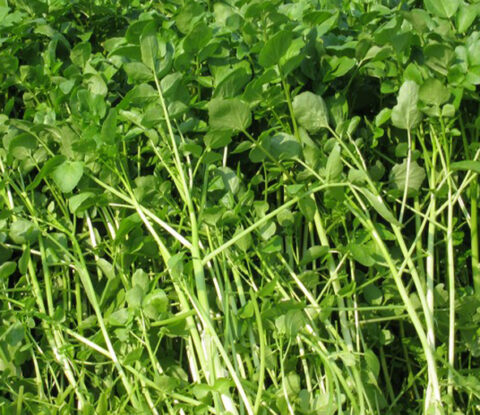


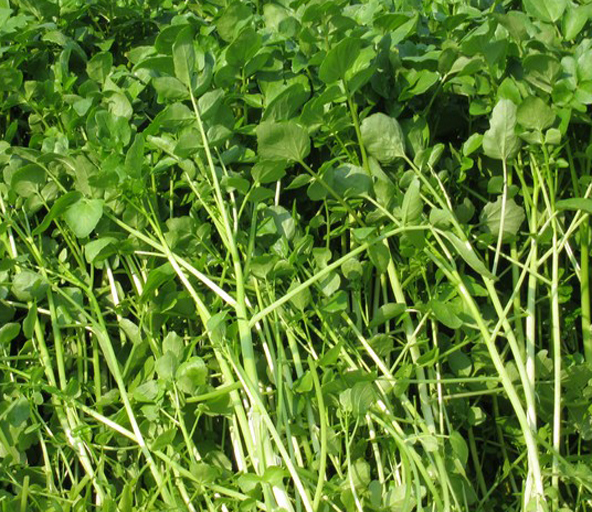
Watercress is rich in glucosinolates (hydrolyzed into isothiocyanates) and flavonoids, which have strong antioxidant and anti-inflammatory effects. Research has confirmed that it can support liver detoxification, inhibit cancer cell growth, and be beneficial for cardiovascular and bone health. Attention should be paid to the interaction between high vitamin K content and anticoagulant drugs.

Watercress Extract Powder 10:1, 20:1, 50:1 TLC
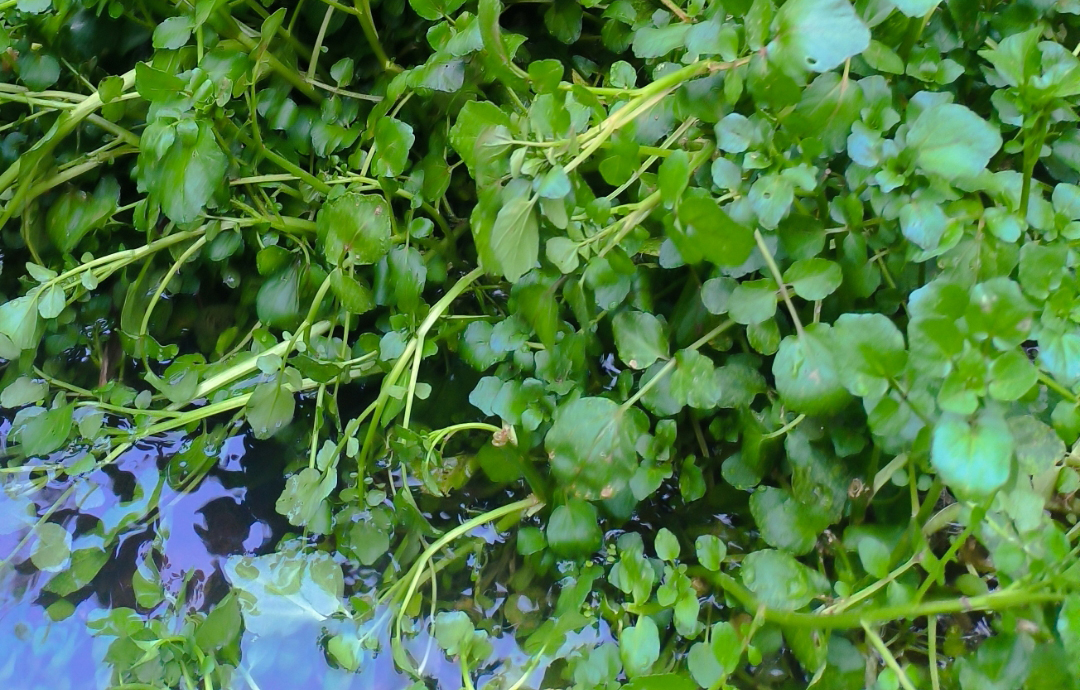
【Botanical source】: Nasturtium officinale R. Br. ex W. T. Aiton
【Part used】: Whole herb
【Specification】: 10:1, 20:1, 50:1 TLC
【Extraction solvents】: Water
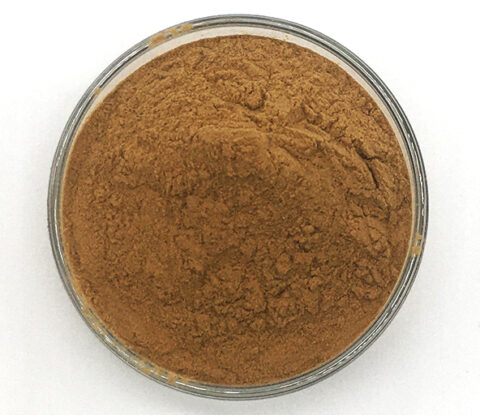
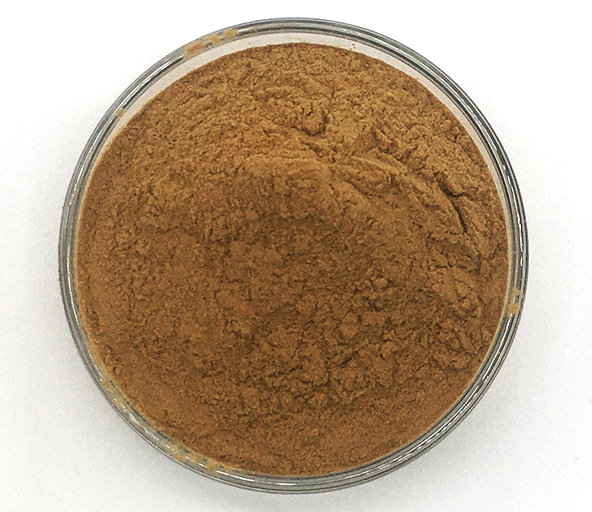
【Appearance】: Brownish fine powder
【Particle size】: 95% pass 80 mesh size
【Main ingredients】: Watercress is rich in vitamins K, C, A, and B, as well as minerals such as calcium, iron, and iodine. Its active ingredients include glucosinolates (hydrolyzed to isothiocyanates), flavonoids (such as quercetin), and lutein, which have significant antioxidant and anti-inflammatory properties. It is a highly nutritious cruciferous vegetable.
【Storage conditions】:Store at room temperature in a sealed manner, away from light, and in a ventilated, cool, and dry environment.
【Shelf life】: 24 months from the production date
Watercress Extract Powder Production Flowchart
Watercress raw materials -Coarse powder(40 mesh) -Low temperature water extraction – 1st Reflux Extraction(10 times water,2 Hrs) – 2nd Reflux Extraction8 times water,1.5 Hrs) – 3rd Reflux Extraction(6 times water,1 Hrs) – Extraction Solution-combine&Filtrate-Concentrate-Extractum-spray drying – screening – packaging – detection of physical and chemical indicators – warehousing
Specification Sheet of Watercress Extract Powder
| Product name: | Watercress Extract | ||
| Specification: | 10:1 TLC | ||
| Part used: | Whole herb of Nasturtium officinale R. Br. ex W. T. Aiton | ||
| Solvent used: | Water | ||
| Process: | Raw materials crushed, extracted, concentrated and spray-dried to powder | ||
| Non GMO according to regulation (EC) 1829/2003 and 1830/2003 or United States requirements. Non allergen according to Directive 2007/68 amending Annex IIIa to Directive 2000/13/EC and US Food allergen labelling and consumer protection act 2004. | |||
| Heavy Metals: | |||
| Lead: | NMT 3ppm | Cadmium: | NMT 1ppm |
| Arsenic: | NMT 2ppm | Mercury: | NMT 1ppm |
| Residual solvents: | Comply to USP | ||
| Pesticides residues: | Conform to Regulation USP<561> | ||
| Microbiology: | |||
| Total plate count: | 10000cfu/g Max | Yeasts and molds: | 1000cfu/g Max |
| E.coli: | Not detected in (g)10 | Salmonella spp.: | Not detected in (g)25 |
| Staphylococcus aureus: | Not detected in (g)10 | Clostridium spp.: | Not Present in 0.1 g of food |
| Organoleptic quality | Method | Specifications | |
| Aspect: | Visual : ( CQ-MO-148) | Powder | |
| Color: | Visual : ( CQ-MO-148) | Brownish | |
| Flavor: | Sensory: (CQ-MO-148) | Characteristic | |
| Analytical quality | Method | Specifications | |
| Identification: | TLC | Conform | |
| Loss on drying: | USP <731> | < 10% | |
| Bulk density: | USP <616> Method I | 40 – 60 g/100mL | |
| Particle size: | Analytical sieving || USP <786> | 100% through 80meshes | |
| Packaging suitable for foodstuff. | |||
Extended Reading
Modern Research on Watercress Extract
- Chemical Components:
Watercress (Nasturtium officinale) is a nutrient-dense cruciferous vegetable with a distinct phytochemical profile:
- Glucosinolates (GLS): The primary bioactive compounds, notably gluconasturtiin. Upon tissue damage, GLS are hydrolyzed by the enzyme myrosinase to form phenethyl isothiocyanate (PEITC), the most studied active metabolite.
- Phenolic Compounds: Rich in flavonoids (quercetin, kaempferol glycosides) and hydroxycinnamic acids.
- Vitamins: Exceptionally high in vitamin K1; also an excellent source of vitamin C, vitamin A (as beta-carotene), and folate.
- Minerals: Contains significant amounts of calcium, potassium, iodine, and iron.
- Carotenoids: Lutein and zeaxanthin, important for eye health.
- Health Benefits (Evidence-Based):
- Anticancer & Chemopreventive: This is the most robust area of research. PEITC has been shown in in vitro and animal studies to modulate carcinogen metabolism (induce Phase II detoxification enzymes), inhibit cancer cell proliferation, and induce apoptosis (programmed cell death) in various cancer lines (e.g., breast, prostate, colon, lung).
- Antioxidant & Anti-inflammatory: High levels of vitamins and phenolics confer strong free radical scavenging activity and reduce markers of oxidative stress and inflammation.
- Cardiometabolic Health: Human intervention studies have demonstrated that daily watercress consumption can reduce DNA damage to lymphocytes, increase antioxidant status, and lower levels of triglycerides and “bad” LDL cholesterol.
- Bone Health: Extremely high vitamin K1 content is essential for bone mineralization and calcium regulation, linked to reduced fracture risk.
- Detoxification Support: Induces key enzymes like glutathione S-transferases, enhancing the body’s ability to neutralize and excrete certain toxins.
- Interactions & Warnings:
- Anticoagulant Drugs (Warfarin): The very high vitamin K1 content can directly antagonize the effect of warfarin, posing a serious risk for clot formation. Patients must maintain extremely consistent intake.
- Thyroid Function: Contains goitrogens (glucosinolates). Excessive raw consumption may interfere with iodine uptake in susceptible individuals with pre-existing iodine deficiency or thyroid disorders.
- Lithium: Due to potential diuretic effects, it may interfere with the body’s ability to eliminate lithium, increasing toxicity risk.
- Kidney Stones: Contains oxalates; individuals with a history of calcium-oxalate kidney stones may need to moderate intake.
- Taboos & Contraindications:
- Anticoagulant Therapy: Uncontrolled or inconsistent intake is contraindicated for patients on vitamin K-antagonist blood thinners.
- Pregnancy & Lactation: While safe as food, concentrated extracts or therapeutic doses are not recommended due to lack of safety data and potent bioactive compounds.
- Severe Kidney Dysfunction: Caution is advised due to mineral and oxalate content.
- Applications:
- Functional Food & Nutraceuticals: Promoted as a “superfood” and incorporated into green juices, powders, and supplements for its dense nutrient and phytochemical profile.
- Cancer Prevention Research: PEITC from watercress is a leading candidate molecule in dietary chemoprevention studies and is investigated for its potential synergistic effects with conventional therapies.
- Sports Nutrition: Emerging research suggests its high antioxidant content may help mitigate exercise-induced oxidative stress.
- Cosmeceuticals: Extracts are used in skincare products for their antioxidant and anti-inflammatory properties.
References:
- Gill, C. I., et al. (2007). Watercress supplementation in diet reduces lymphocyte DNA damage and alters blood antioxidant status in healthy adults. The American Journal of Clinical Nutrition, 85(2), 504-510.
- Boyera, N., et al. (2012). Effect of vitamin and antioxidant-rich diets on UV-induced skin damage: evaluation of a standardized watercress extract. Journal of Cosmetic Dermatology, 11(3), 193-202.
- Syed Alwi, S. S., et al. (2012). In vivo modulation of 4E binding protein 1 (4E-BP1) phosphorylation by watercress: a pilot study. British Journal of Nutrition, 108(7), 1288-1296. (Demonstrates effect on cancer-signaling pathways).
- Dufour, V., et al. (2015). The metabolic response of human colonocytes to the cooked cabbage phytochemicals sulforaphane and phenethyl isothiocyanate includes changes in oxidative stress, detoxification, and central energy metabolism. Journal of Functional Foods, 15, 498-508.
- Finnognari, C., et al. (2012). Anticancer mechanism of isothiocyanates. In The Molecular Targets and Therapeutic Uses of Curcumin in Health and Disease (pp. 21-56). Springer.
- Conzatti, A., et al. (2014). Clinical evidence of the benefits of phytonutrients in human healthcare. Nutrients, 6(12), 6022-6047.
Note: This summary is for informational purposes. It may interact with medications and is contraindicated in certain conditions. Consult a healthcare professional before therapeutic use, particularly regarding its estrogenic activity.