
Weeping Forsythia(Lian Qiao) Extract Powder 10:1, 20:1, 50:1 TLC


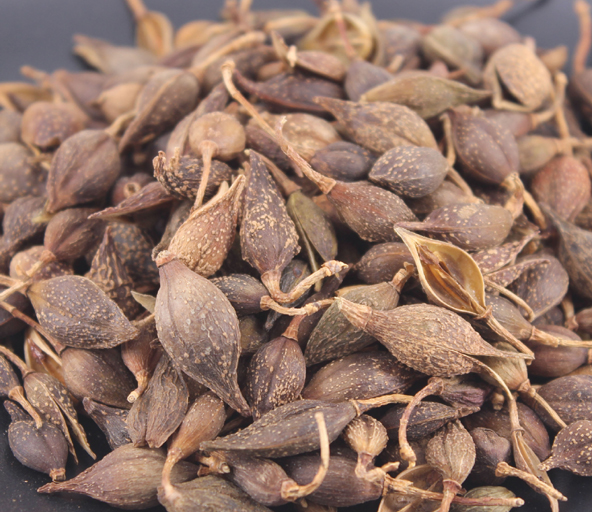
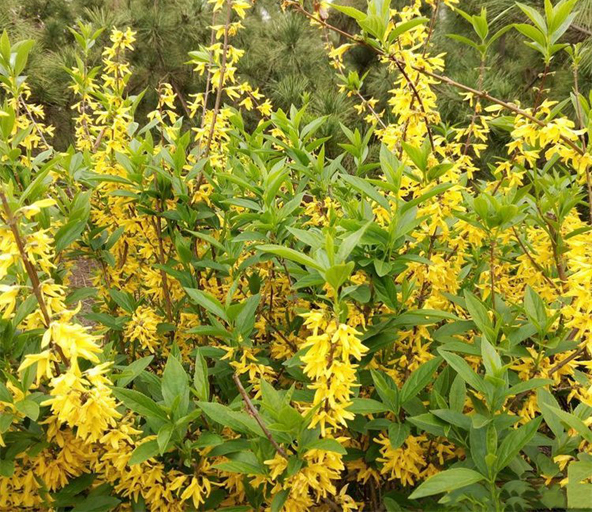
The functions of Forsythia suspensa in traditional Chinese medicine include clearing heat and detoxifying, reducing swelling and dispersing nodules, and dispersing wind and heat. Used for treating conditions such as carbuncle, scrofula, breast abscess, erysipelas, wind heat and cold, initial onset of warm disease, warm fever entering the body, high fever causing restlessness and thirst, dizziness and rash, and heat induced pain.

Weeping Forsythia(Lian Qiao) Extract Powder 10:1, 20:1, 50:1 TLC
【Other names】: Lian Qiao, Fructus Forsythiae,Weeping Forsythiae
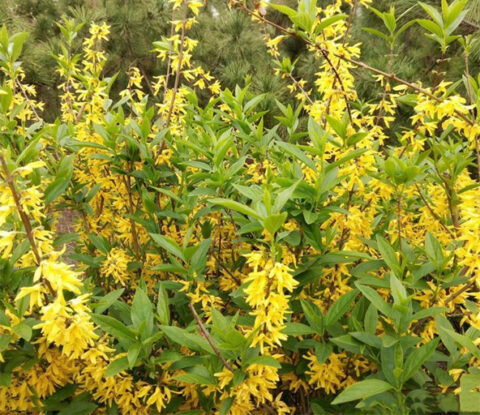
【Botanical source】: Forsythia suspensa(Thunb.)Vahl
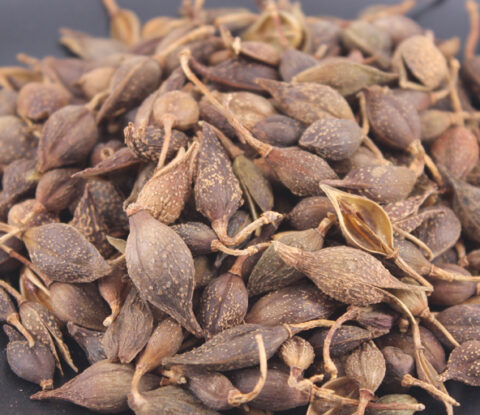
【Part used】: The dried fruit of Forsythia suspensa (Thunb.) Vahl, a plant in the Oleaceae family, is harvested when it is fully ripe and dried to remove impurities.
【Specification】: 10:1, 20:1, 50:1 TLC
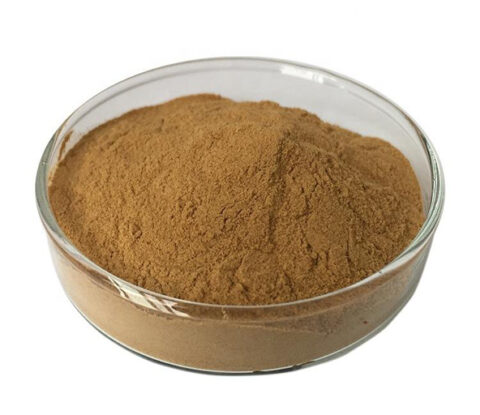
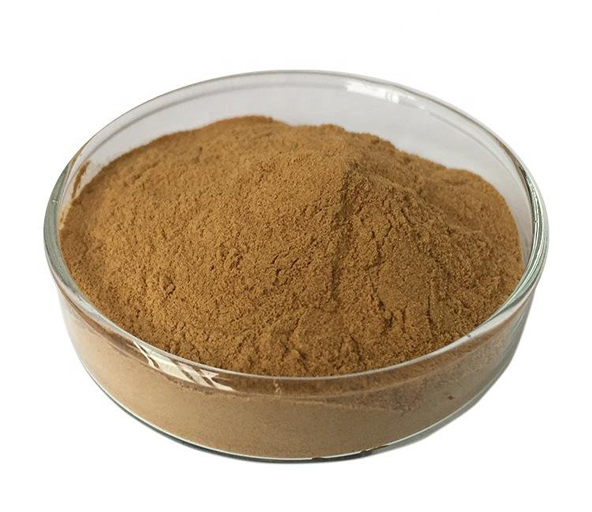
【Appearance】: Brownish yellow fine powder
【Particle size】: 95% pass 80 mesh size
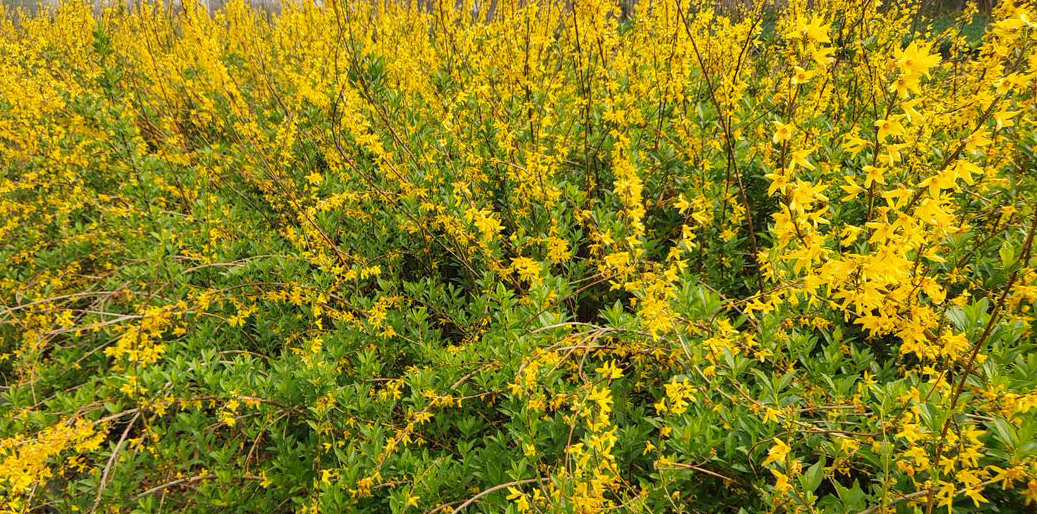
Weeping Forsythia(Lian Qiao) Extract Powder Production Flowchart
Weeping Forsythia(Lian Qiao) raw materials – natural air drying–Coarse powder(40 mesh) -Low temperature water extraction – 1st Reflux Extraction(10 times water,2 Hrs) – 2nd Reflux Extraction8 times water,1.5 Hrs) – 3rd Reflux Extraction(6 times water,1 Hrs) – Extraction Solution-combine&Filtrate-Concentrate-Extractum-spray drying – screening – packaging – detection of physical and chemical indicators – warehousing
Specification Sheet of Weeping Forsythia(Lian Qiao) Extract Powder
| Product name: | Lian Qiao Extract | ||
| Specification: | 10:1 TLC | ||
| Part used: | Dried ruit of Forsythia suspensa (Thunb.) Vahl | ||
| Solvent used: | Hot water | ||
| Process: | Raw materials crushed, extracted, concentrated and spray-dried to powder | ||
| Non GMO according to regulation (EC) 1829/2003 and 1830/2003 or United States requirements. Non allergen according to Directive 2007/68 amending Annex IIIa to Directive 2000/13/EC and US Food allergen labelling and consumer protection act 2004. | |||
| Heavy Metals: | |||
| Lead: | NMT 3ppm | Cadmium: | NMT 1ppm |
| Arsenic: | NMT 2ppm | Mercury: | NMT 1ppm |
| Residual solvents: | Comply to USP | ||
| Pesticides residues: | Conform to Regulation USP<561> | ||
| Microbiology: | |||
| Total plate count: | 10000cfu/g Max | Yeasts and molds: | 1000cfu/g Max |
| E.coli: | Not detected in (g)10 | Salmonella spp.: | Not detected in (g)25 |
| Staphylococcus aureus: | Not detected in (g)10 | Clostridium spp.: | Not Present in 0.1 g of food |
| Organoleptic quality | Method | Specifications | |
| Aspect: | Visual : ( CQ-MO-148) | Powder | |
| Color: | Visual : ( CQ-MO-148) | Brownish | |
| Flavor: | Sensory: (CQ-MO-148) | Characteristic | |
| Analytical quality | Method | Specifications | |
| Identification: | TLC | Conform | |
| Loss on drying: | USP <731> | < 10% | |
| Bulk density: | USP <616> Method I | 40 – 60 g/100mL | |
| Particle size: | Analytical sieving || USP <786> | 100% through 80meshes | |
| Packaging suitable for foodstuff. | |||
Extended Reading
Weeping Forsythia(Lian Qiao) Function and Efficacy Recorded in TCM
Forsythia suspensa is a very important and commonly used heat clearing and detoxifying medicine in traditional Chinese medicine, known as the “holy herb of the ulcer family”. It has a wide range of effects, especially in the treatment of exogenous febrile diseases and ulcers.
The following are the core functions, applications, and modern understanding of Forsythia suspensa in traditional Chinese medicine:
1. Clearing heat and detoxifying, reducing swelling and dispersing nodules
Function: This is the most famous function of Forsythia suspensa. It can clear heat toxins, especially good at dissipating lumps, nodules, and ulcers formed by the accumulation of heat toxins.
Application:
Purulent swelling and toxin, scrofula and phlegm nuclei: treating various purulent infections of the skin and soft tissues (such as boils and abscesses), lymph node tuberculosis (scrofula), etc. Often used interchangeably with honeysuckle, dandelion, and wild chrysanthemum.
Breast abscess (acute mastitis): often combined with gualou, dandelion, green skin, etc.
2. Evacuate wind and heat
Function: It can clear the wind, heat, and evil energy on the surface, allowing the heat to dissipate from the surface.
Application:
Wind heat cold, the initial onset of warm disease: used for fever, mild wind cold, headache, thirst, sore throat and other symptoms. This is one of its most commonly used scenarios. It is often used in conjunction with honeysuckle to form the classic medicine pair “Yinqiao”, which is the core medicine of the famous formula “Yinqiao Powder”.
3. Clearing the heart and promoting diuresis
Function: It can clear the heat of the Heart Meridian and also guide dampness and heat from urine.
Application:
Heat sinking in the pericardium, high fever and dizziness: When warm diseases enter, causing high fever, irritability, and delirium, Forsythia suspensa can clear the heart fire and is often used in conjunction with lotus seed heart, black ginseng, and Ophiopogon japonicus (such as Qinggong Tang).
Modern Pharmacological Effects of Weeping Forsythia(Lian Qiao)
The modern pharmacological research of Forsythia suspensa is very in-depth and extensive, and its various active ingredients have been proven to have significant biological activities, providing a solid modern scientific basis for its traditional Chinese medicine efficacy.
The following is a detailed explanation of the main modern pharmacological effects of Forsythia suspensa:
1. Resistance to pathogenic microorganisms
This is the most core and extensively studied pharmacological effect of Forsythia suspensa.
Broad spectrum antibacterial: It has a significant inhibitory effect on various Gram positive bacteria (such as Staphylococcus aureus and Streptococcus) and Gram negative bacteria (such as Escherichia coli and Salmonella typhi). Forsythia suspensa glycoside and Forsythian suspensa phenol are the main antibacterial components.
Antiviral: It has inhibitory effects on influenza virus, respiratory syncytial virus, herpes virus, Coxsackievirus, etc. Commonly used for preventing and treating viral colds and respiratory infections.
Conclusion: This directly confirms the traditional efficacy of Forsythia suspensa in treating “carbuncles and sores” (bacterial infections) and “wind heat cold” (viral infections).
2. Anti inflammatory, antipyretic, and analgesic effects
Anti inflammatory: It can significantly inhibit various inflammatory models and reduce the production and release of inflammatory mediators such as prostaglandins, nitric oxide, TNF – α, IL-6, etc.
Antipyretic: It has a clear antipyretic effect on experimental fever caused by bacterial endotoxins or yeast.
Analgesia: It has certain central and peripheral analgesic effects.
Conclusion: This explains why Forsythia suspensa can alleviate cold fever (antipyretic), sore throat (anti-inflammatory and analgesic), and eliminate sore swelling (anti-inflammatory).
3. Antioxidant and hepatoprotective effects
Strong antioxidant properties: Forsythia suspensa is rich in phenylethanolic glycosides (such as Forsythia suspensa glycoside A), flavonoids, and other components, which are strong free radical scavengers that can alleviate oxidative stress damage.
Protecting the liver: It has a clear protective effect against chemical (such as CCl ₄) or immunological liver injury, can reduce serum transaminase, alleviate liver cell necrosis and steatosis.
Conclusion: This provides a new perspective for Forsythia suspensa in the treatment of damp heat jaundice (which is believed to be related to liver and gallbladder in traditional Chinese medicine) and its extensive “detoxification” effects.
4. The effect on the cardiovascular and cerebrovascular system
Protecting vascular endothelium: Antioxidant and anti-inflammatory effects help maintain endothelial function.
Improving microcirculation: It has a certain effect of dilating blood vessels and increasing blood flow.
Conclusion: This may be related to its “clearing the heart” effect (the heart controls the blood vessels), and also provides potential value for the prevention and treatment of vascular inflammatory diseases.
5. Other pharmacological effects
Antiemetic effect: The antiemetic mechanism of Forsythia suspensa may be related to its inhibition of the chemosensory area of the brain, which is a unique modern discovery that has not been directly recorded in traditional Chinese medicine theory.
Diuretics: Experiments have shown that it has the effect of promoting urine excretion, confirming the “diuretic” effect of “clearing the heart and diuresis”.
Immune regulation: It has a bidirectional regulatory effect on the immune system, enhancing phagocytic cell function and inhibiting excessive immune inflammatory reactions.