
White Kidney Bean Extract Powder 10:1 20:1 TLC; Phaseolin 1% HPLC

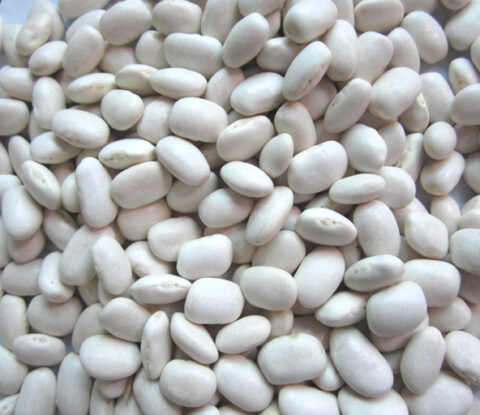


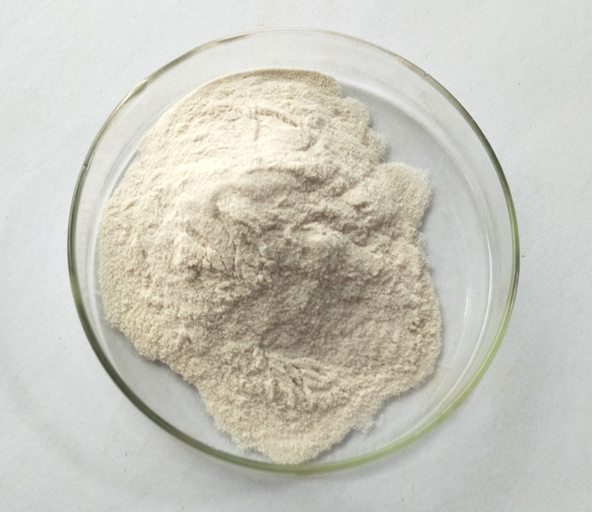
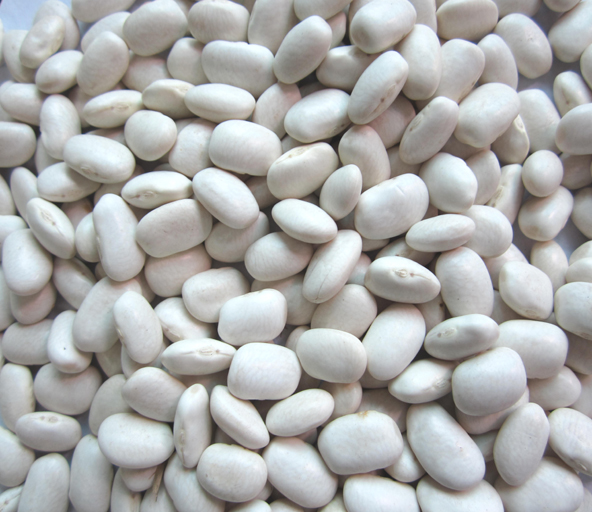
The water-soluble dietary fiber in white kidney bean extract has the function of regulating carbohydrate and lipid metabolism, flavonoids have antibacterial, anti-inflammatory, anti mutation, antihypertensive, heat clearing and detoxifying, microcirculation improvement, anti-tumor and other functions, kidney bean pigment has good light and heat stability and crystallization properties, amylase inhibitors have hypoglycemic effects, trypsin inhibitors and proteins have inhibitory effects on the development of tumor cells; Commonly used in biological products as raw materials for health food.

White Kidney Bean Extract Powder 10:1 20:1 TLC; Phaseolin 1% HPLC
【Botanical source】: Phaseolus Vulgaris L.
【Part used】: Mature seeds of Phaseolus vulgaris, a herbaceous vine in the legume family, including white kidney beans.
【Specification】: 10:1 20:1 TLC; Phaseolin 1% HPLC
【Appearance】: Offwhite fine powder
【Extraction solvents】: Water
【Particle size】: 95% pass 80 mesh size
【Main ingredients】: White kidney beans mainly contain protein, fat, carbohydrates, as well as some highly active functional substances such as plant agglutinin (PHA), alpha amylase inhibitors, polysaccharides, dietary fiber, flavonoids, plant agglutinin, edible pigments, and some nutritional components such as vitamins, mineral elements, amino acids such as lysine, leucine, and arginine, potassium, magnesium, sodium, etc.
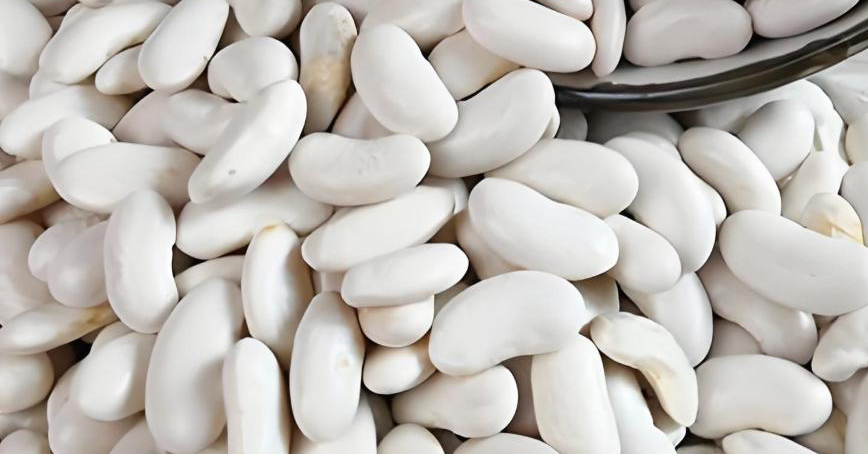
White Kidney Bean Extract Powder Production Flowchart
White Kidney Bean raw materials -Coarse powder(40 mesh) -Low temperature water extraction – 1st Reflux Extraction(10 times water,2 Hrs) – 2nd Reflux Extraction8 times water,1.5 Hrs) – 3rd Reflux Extraction(6 times water,1 Hrs) – Extraction Solution-combine&Filtrate-Concentrate-Extractum-spray drying – screening – packaging – detection of physical and chemical indicators – warehousing
Specification Sheet of White Kidney Bean Extract Powder
| Product name: | White Kidney Bean Extract | ||
| Specification: | 10:1 TLC | ||
| Part used: | Seeds of Phaseolus Vulgaris L | ||
| Solvent used: | Water | ||
| Process: | Raw materials crushed, extracted, concentrated and spray-dried to powder | ||
| Non GMO according to regulation (EC) 1829/2003 and 1830/2003 or United States requirements. Non allergen according to Directive 2007/68 amending Annex IIIa to Directive 2000/13/EC and US Food allergen labelling and consumer protection act 2004. | |||
| Heavy Metals: | |||
| Lead: | NMT 3ppm | Cadmium: | NMT 1ppm |
| Arsenic: | NMT 2ppm | Mercury: | NMT 1ppm |
| Residual solvents: | Comply to USP | ||
| Pesticides residues: | Conform to Regulation USP<561> | ||
| Microbiology: | |||
| Total plate count: | 10000cfu/g Max | Yeasts and molds: | 1000cfu/g Max |
| E.coli: | Not detected in (g)10 | Salmonella spp.: | Not detected in (g)25 |
| Staphylococcus aureus: | Not detected in (g)10 | Clostridium spp.: | Not Present in 0.1 g of food |
| Organoleptic quality | Method | Specifications | |
| Aspect: | Visual : ( CQ-MO-148) | Powder | |
| Color: | Visual : ( CQ-MO-148) | Offwhite | |
| Flavor: | Sensory: (CQ-MO-148) | Characteristic | |
| Analytical quality | Method | Specifications | |
| Identification: | TLC | Conform | |
| Loss on drying: | USP <731> | < 10% | |
| Bulk density: | USP <616> Method I | 40 – 60 g/100mL | |
| Particle size: | Analytical sieving || USP <786> | 100% through 80meshes | |
| Packaging suitable for foodstuff. | |||
Extended Reading
Modern Pharmacological Research on White Kidney Bean Extract (Phaseolus vulgaris)
- Key Active Component
- Alpha-amylase inhibitors: Specifically, the protein phaseolamin (also called “starch blocker”).
- Primary Pharmacological Actions & Mechanisms
- Carbohydrate Metabolism & Weight Management
- Mechanism: Potently inhibits pancreatic and salivary α-amylase enzymes, reducing starch breakdown into absorbable sugars (maltose, glucose). This decreases postprandial glucose and insulin spikes.
- Evidence: Numerous RCTs demonstrate reduced caloric intake from carbohydrates, modest but significant weight loss (1–3 kg over 4–12 weeks), and decreased body fat when combined with a balanced diet. Effectiveness is highly dependent on concurrent starch consumption.
- Glycemic Control
- Mechanism: Slows carbohydrate digestion, flattening the postprandial blood glucose curve. May improve insulin sensitivity over time.
- Evidence: Consistent clinical data showing reductions in postprandial hyperglycemia in healthy, prediabetic, and type 2 diabetic individuals. HbA1c reductions are modest.
- Lipid Metabolism
- Mechanism: Secondary benefit via improved insulin sensitivity and reduced de novo lipogenesis from excess glucose.
- Evidence: Some studies report mild reductions in triglycerides and LDL cholesterol, but results are less consistent than for glycemic effects.
- Other Investigated Effects
- Antioxidant Activity: Due to phenolic compounds; but not the primary clinical focus.
- Microbiome Modulation: Undigested starch may act as a prebiotic for colonic fermentation.
- Clinical Applications
- Primary Use: Marketed as a “starch blocker” or “carb blocker” for weight management and blood sugar support.
- Form & Dosing: Typically standardized to 1,000–3,000 alpha-amylase inhibitor units (AAIU) per dose, taken with starch-containing meals.
- Safety & Side Effects
- Generally Recognized as Safe (GRAS) status in purified extract form.
- Side Effects: High doses or raw bean consumption can cause GI disturbances (bloating, flatulence, diarrhea) due to undigested starch fermentation.
- Important Contraindication: Not for use in a no-starch or very low-carb diet, as it requires dietary starch to be effective.
- Drug Interactions: May potentiate effects of diabetes medications (risk of hypoglycemia); dose adjustment may be needed.
- Allergy: Rare, but possible in individuals allergic to legumes.
- Critical Research Considerations
- Efficacy Variability: Effectiveness is highly dependent on:
- Extract Purity & Activity: Standardized units (AAIU) are crucial.
- Timing: Must be taken immediately before or with a meal.
- Dietary Context: Only works with starch intake (bread, pasta, rice, potatoes).
- Not a “Magic Pill”: It reduces absorption of a portion of ingested starch (approx. 50-65%), not all carbohydrates (sugars are unaffected). Must be part of a calorie-controlled diet.
- Long-Term Data: Most trials are short-term (≤ 3 months); long-term efficacy and safety data are limited.
Conclusion
White kidney bean extract is a well-characterized natural α-amylase inhibitor with clinically proven, mechanism-based effects for:
- Reducing postprandial glycemic response.
- Supporting weight management by reducing starch-derived calorie absorption.
Its use is targeted and conditional, requiring concurrent consumption of dietary starch for efficacy. It is considered a safe and evidence-based dietary supplement for glycemic control and weight loss support when used appropriately, but it is not a substitute for a healthy diet and lifestyle. Future research should focus on long-term outcomes and personalized nutrition strategies.