
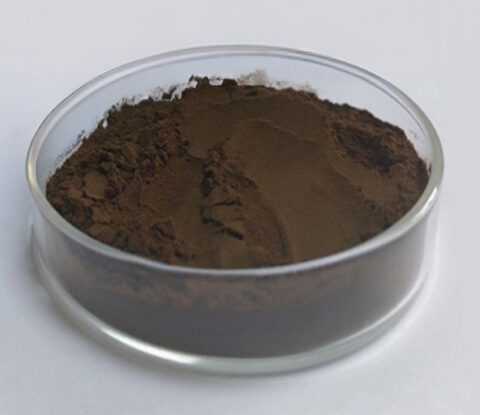
Armillaria Mellea (Honey Fungus) Extract Powder 10:1, 20:1, 50:1 TLC, Polysaccharides 30% UV
The core pharmacological efficacy of Armillaria mellea lies in its sedative and protective effects on the nervous system. Its active ingredients, such as armillarisin A and polysaccharides, exert sedative, anticonvulsant, and sleep-improving effects by regulating neurotransmitters such as GABA. Additionally, they can dilate blood vessels, improve cerebral circulation, and effectively alleviate dizziness, tinnitus, and neurasthenia. Moreover, they possess antioxidant, immune-regulating, and potential anti-tumor activities.
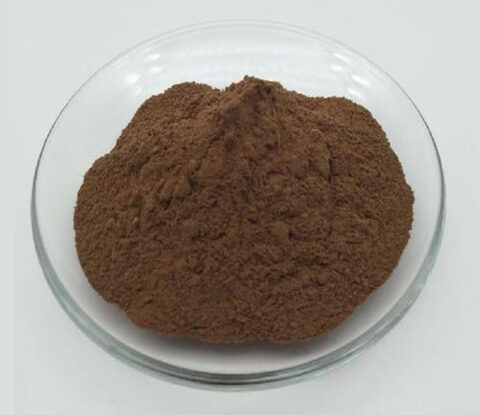
Marasmiellus Androsaceus Extract Powder 10:1, 20:1, 50:1 TLC, Polysaccharides 30% UV
The modern pharmacological research on Marasmiellus Androsaceus primarily focuses on its analgesic, anti-inflammatory, and neuroprotective effects. Its characteristic component, Marasmic acid, can target the TRPV1 receptor and exert non-opioid analgesic effects. Components such as polysaccharides effectively alleviate neuropathic pain and injury by inhibiting inflammatory factors (such as TNF-α and IL-6) and promoting nerve regeneration.
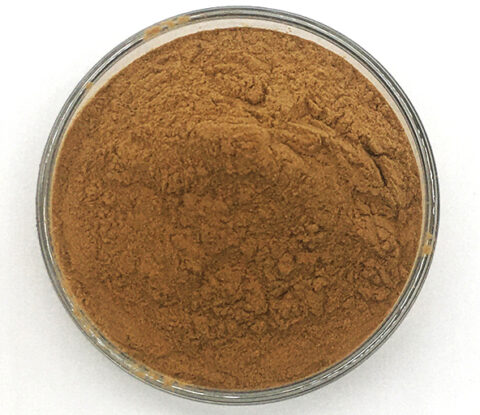
Sparassis Crispa (Cauliflower Mushroom) Extract Powder 10:1, 20:1, 50:1 TLC, Polysaccharides 30% UV
The core pharmacological component of Sparassis crispa is highly branched β-glucan. Its main pharmacological effects include: potent immunomodulation, enhancing host anti-tumor and anti-infective capabilities by activating macrophages, NK cells, etc.; significant anti-inflammatory and antioxidant effects, inhibiting pathways such as NF-κB; promoting wound healing and collagen deposition; and exhibiting neuroprotective and prebiotic effects.
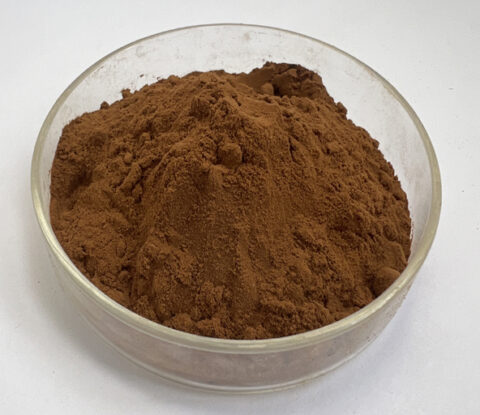
Pleurotus Eryngii (King Oyster Mushroom) Extract Powder 10:1, 20:1, 50:1 TLC, Polysaccharides 30% UV
The modern efficacy of Fomitopsis Officinalis(Agarikon) Extract is primarily focused on anti-tumor and immune modulation. Its active components, such as triterpenoids like oleanolic acid and β-glucan, exert anti-tumor effects by inducing apoptosis of cancer cells, inhibiting proliferation, and regulating the tumor microenvironment. At the same time, they can activate immune cells such as macrophages, balance immune responses, and exhibit auxiliary activities such as anti-inflammatory, hepatoprotective, and neuroprotective effects.
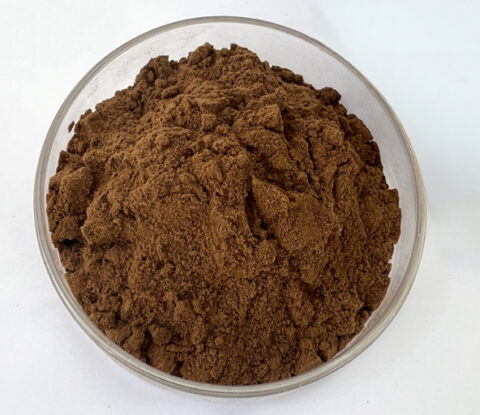
Fomitopsis Officinalis(Agarikon) Extract Powder 10:1, 20:1, 50:1 TLC, Polysaccharides 30% UV
The modern efficacy of Fomitopsis Officinalis(Agarikon) Extract is primarily focused on anti-tumor and immune modulation. Its active components, such as triterpenoids like oleanolic acid and β-glucan, exert anti-tumor effects by inducing apoptosis of cancer cells, inhibiting proliferation, and regulating the tumor microenvironment. At the same time, they can activate immune cells such as macrophages, balance immune responses, and exhibit auxiliary activities such as anti-inflammatory, hepatoprotective, and neuroprotective effects.
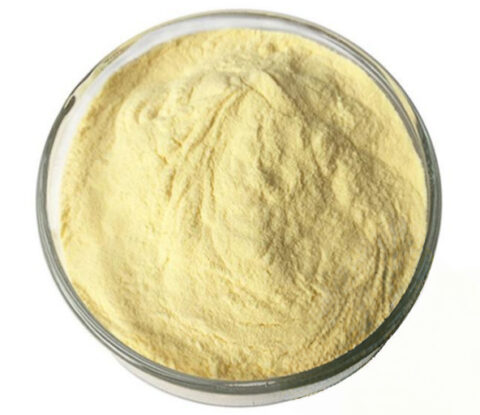
Papaya Fruit Extract Powder, Papaya Fruit Instant Powder
The modern pharmacological effects of papaya primarily stem from its core components, including papain, chymopapain, and alkaloids (such as papaverine). Papain exhibits significant anti-inflammatory, wound healing-promoting, and digestive aid functions; papaverine demonstrates antiparasitic and potential antitumor activities. Its high content of vitamin C and carotenoids synergistically provides potent antioxidant support, contributing to immune regulation and skin health.
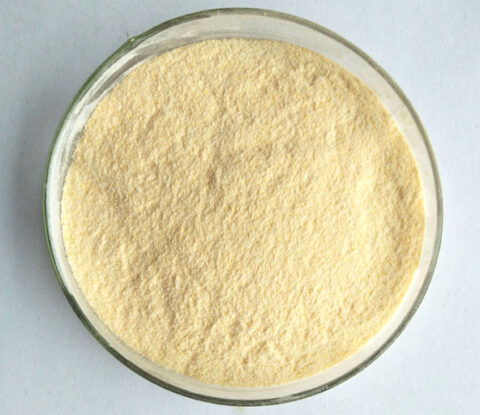
Pineapple Fruit Extract Powder, Pineapple Fruit Instant Powder
The core of modern pharmacological research on pineapple lies in its bromelain complex (pineapple protease), which demonstrates clear application potential in areas such as osteoarthritis, postoperative swelling, wound healing, and digestive support through multiple mechanisms including anti-inflammatory, anti-edematous, immunomodulatory, and fibrinolytic activities. Simultaneously, its rich phenolic components synergistically provide the basis for antioxidant and potential anti-tumor biological activities.
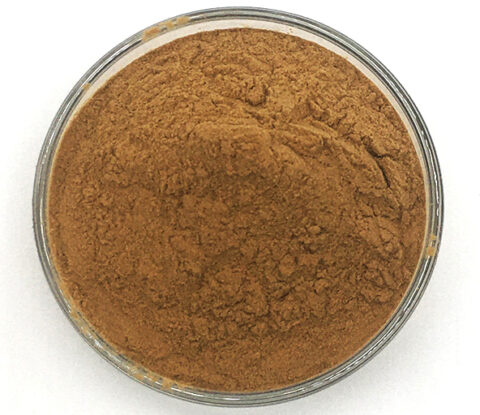
Walnut Kernel Extract Powder 10:1, 20:1, 50:1 TLC
Modern pharmacological studies have shown that the pharmacological effects of walnut kernel stem from the synergistic effects of its active ingredients, including polyphenols, ellagic acid, α-linolenic acid, and juglone. Through potent antioxidant and anti-inflammatory mechanisms, it exerts multiple beneficial effects, including neuroprotection (improving cognition and inhibiting Aβ aggregation), improving cardiovascular and cerebrovascular metabolism (regulating blood lipids and protecting endothelial function), and regulating systemic health via the "gut-brain axis".

Oat (Avena Sativa) Extract Powder 10:1, 20:1, 50:1 TLC, Beta-Glucan,Β-Glucan 70%, 80%, 98% UV
The core of the modern pharmacological effects of oat extract lies in its unique components. With β - glucan as the core, it can effectively regulate postprandial blood glucose and reduce serum cholesterol by forming gel to delay gastric emptying and reduce bile acid reabsorption. Its unique oat anthracene amide exerts significant anti-inflammatory and antioxidant activity by inhibiting the NF - κ B pathway. In addition, its ingredients have multiple biological effects such as repairing the skin barrier, soothing irritation, and potential neuroprotection.