

Chinese Honey Locust Extract Powder 10:1, 20:1, 50:1 TLC
The core pharmacological effect of Chinese Honey Locust Extract comes from its abundant triterpenoid saponins. This ingredient exerts broad-spectrum antibacterial and antifungal activity by disrupting microbial cell membranes; At the same time, it exhibits significant anti-inflammatory and antioxidant effects by inhibiting inflammatory factors and clearing free radicals. Preclinical studies have also shown that it has anti-cancer potential by inducing tumor cell apoptosis and biological activities such as inhibiting platelet aggregation.

Konjac Extract Powder 10:1, 20:1, 50:1 TLC
Glucomannan, the core active component of konjac extract, has strong hydrophilicity and gel properties, forming a high viscosity colloid. Its main pharmacological effects include: significantly delaying gastric emptying, increasing satiety, and assisting weight management; Reduce postprandial blood glucose and cholesterol levels; As a prebiotic, it promotes the growth of beneficial bacteria in the intestine and improves constipation. Attention should be paid to the interval between clinical application and oral medication.

Pumpkin Seeds Extract Powder 10:1, 20:1, 50:1 TLC
Modern pharmacological studies on pumpkin seed extract have shown that its core active ingredients exert physiological effects through multiple pathways: ① Prostate health: the abundant Δ - sterols can effectively inhibit 5 α - reductase and alleviate symptoms of benign prostatic hyperplasia; ② Metabolic regulation: It has the effects of lowering blood lipids, assisting in lowering blood sugar, and antioxidation; ③ Other activities: Display anti-inflammatory, antiparasitic, and potential anti-tumor activity, and help improve menopausal symptoms.

Dandelion Extract Powder 10:1, 20:1, 50:1 TLC
Dandelion extract has pharmacological effects such as hepatoprotective and choleretic, anti-inflammatory and antioxidant, diuretic, blood glucose regulation, and gastrointestinal motility. Its active ingredients such as dandelion sterols, flavonoids, polysaccharides, etc. can promote bile secretion, reduce liver damage, inhibit inflammatory factors, clear free radicals, and exert mild diuretic and potential anti-tumor effects.

Celery Extract Powder 10:1, 20:1, 50:1 TLC, Apigenin 10% HPLC
The main pharmacological effects of celery include lowering blood pressure, antioxidation, and anti-inflammatory. Its active ingredients, 3-butylphthalein and apigenin, can relax vascular smooth muscle, reduce peripheral resistance, and produce mild antihypertensive effects. Meanwhile, these components can inhibit inflammatory pathways such as NF - κ B, eliminate free radicals, and exhibit neuroprotective, uric acid lowering, and lipid regulating potential.
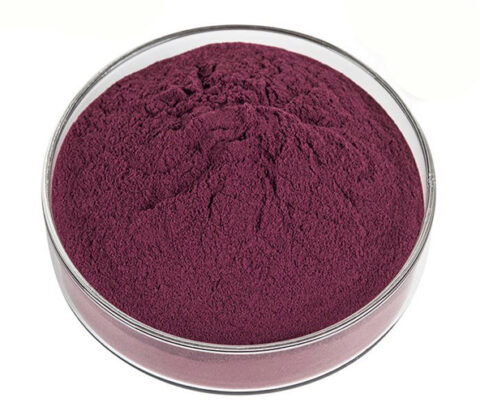
Elderberry Fruit Extract Powder 10:1, 20:1, 50:1 TLC, Elderberry Instant Powder
The modern pharmacological efficacy of elderberry lies in its antiviral and immunomodulatory effects. Its rich anthocyanin and flavonoid compounds can effectively inhibit the replication and adsorption of respiratory viruses such as influenza virus. Clinical studies have confirmed that it can significantly shorten the course of colds and flu, and alleviate symptoms. Meanwhile, it exerts potent antioxidant and anti-inflammatory activities by regulating cytokine release.
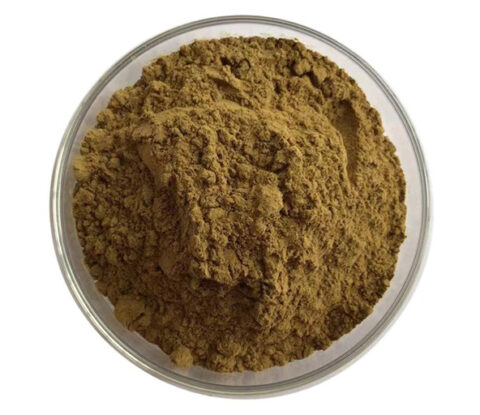
Kelp Extract Powder 10:1, 20:1, 50:1 TLC
The modern pharmacological effects of Kelp mainly stem from its polysaccharide components. Brown algae polysaccharide sulfate (fucoidan) has significant anti-tumor, immune regulatory, and anticoagulant activities. Alginate, as dietary fiber, can assist in regulating blood pressure, blood sugar, and intestinal health. Rich organic iodine can correct iodine deficiency, but excessive intake can affect thyroid function. It also has antioxidant, anti-inflammatory, and heavy metal excretion promoting effects.
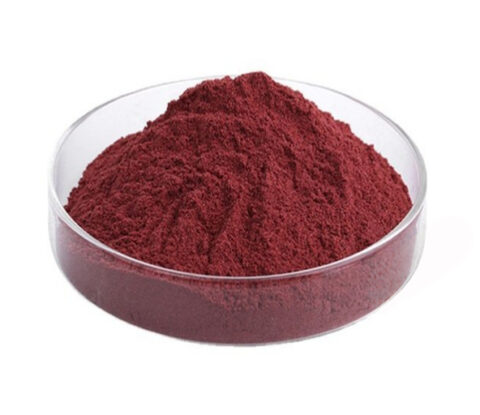
Red Yeast Rice Extract Powder 10:1, 20:1, 50:1 TLC,Lovastatin 1%, 2%, 5% HPLC
The core pharmacological effect of red yeast rice comes from its natural fermentation product monacolin K (lovastatin), which can competitively inhibit liver HMG CoA reductase, effectively reduce total cholesterol and low-density lipoprotein cholesterol (LDL-C), regulate blood lipids, and assist in the prevention of cardiovascular disease. In addition, its components such as Monascus pigments and unsaturated fatty acids also exhibit certain antioxidant and anti-inflammatory activities.
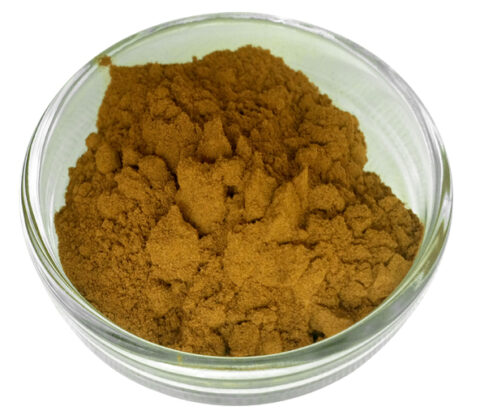
Mugwort Leaf Extract Powder 10:1, 20:1, 50:1 TLC
The modern pharmacological core of hawthorn leaves lies in their high content of flavonoids (such as vitexin) and anthocyanins. The main function is to enhance myocardial contractility, improve coronary blood flow, and assist in the treatment of chronic heart failure (NYHA grades I-II); At the same time, it has multiple cardiovascular protective activities, such as lowering blood pressure, regulating blood lipid, anti atherosclerosis, anti-oxidation and neuroprotection.