
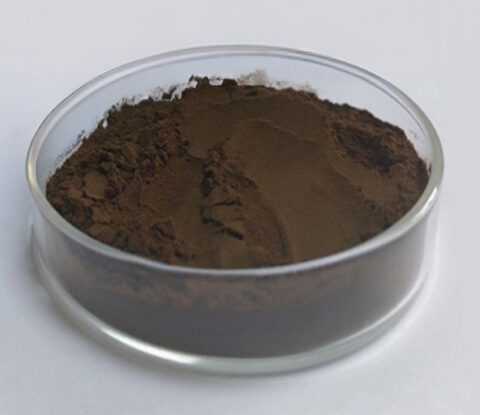
Armillaria Mellea (Honey Fungus) Extract Powder 10:1, 20:1, 50:1 TLC, Polysaccharides 30% UV
The core pharmacological efficacy of Armillaria mellea lies in its sedative and protective effects on the nervous system. Its active ingredients, such as armillarisin A and polysaccharides, exert sedative, anticonvulsant, and sleep-improving effects by regulating neurotransmitters such as GABA. Additionally, they can dilate blood vessels, improve cerebral circulation, and effectively alleviate dizziness, tinnitus, and neurasthenia. Moreover, they possess antioxidant, immune-regulating, and potential anti-tumor activities.
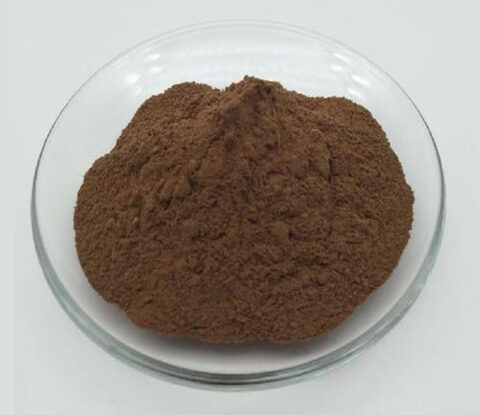
Marasmiellus Androsaceus Extract Powder 10:1, 20:1, 50:1 TLC, Polysaccharides 30% UV
The modern pharmacological research on Marasmiellus Androsaceus primarily focuses on its analgesic, anti-inflammatory, and neuroprotective effects. Its characteristic component, Marasmic acid, can target the TRPV1 receptor and exert non-opioid analgesic effects. Components such as polysaccharides effectively alleviate neuropathic pain and injury by inhibiting inflammatory factors (such as TNF-α and IL-6) and promoting nerve regeneration.
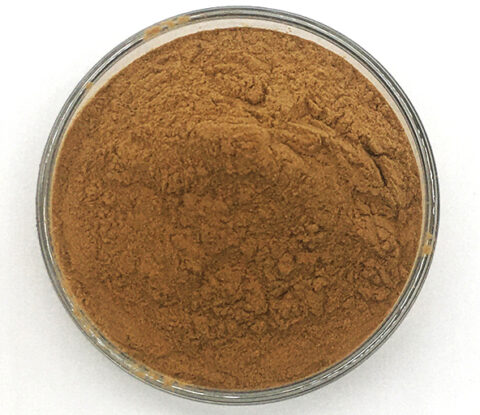
Sparassis Crispa (Cauliflower Mushroom) Extract Powder 10:1, 20:1, 50:1 TLC, Polysaccharides 30% UV
The core pharmacological component of Sparassis crispa is highly branched β-glucan. Its main pharmacological effects include: potent immunomodulation, enhancing host anti-tumor and anti-infective capabilities by activating macrophages, NK cells, etc.; significant anti-inflammatory and antioxidant effects, inhibiting pathways such as NF-κB; promoting wound healing and collagen deposition; and exhibiting neuroprotective and prebiotic effects.
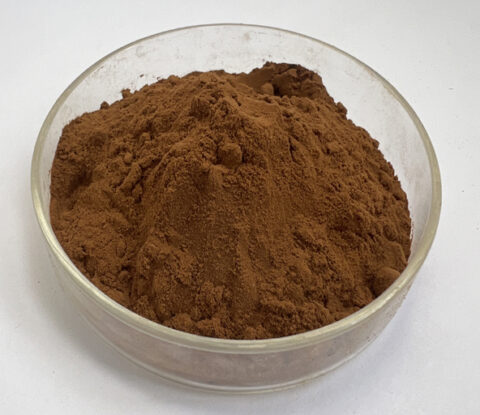
Pleurotus Eryngii (King Oyster Mushroom) Extract Powder 10:1, 20:1, 50:1 TLC, Polysaccharides 30% UV
The modern efficacy of Fomitopsis Officinalis(Agarikon) Extract is primarily focused on anti-tumor and immune modulation. Its active components, such as triterpenoids like oleanolic acid and β-glucan, exert anti-tumor effects by inducing apoptosis of cancer cells, inhibiting proliferation, and regulating the tumor microenvironment. At the same time, they can activate immune cells such as macrophages, balance immune responses, and exhibit auxiliary activities such as anti-inflammatory, hepatoprotective, and neuroprotective effects.
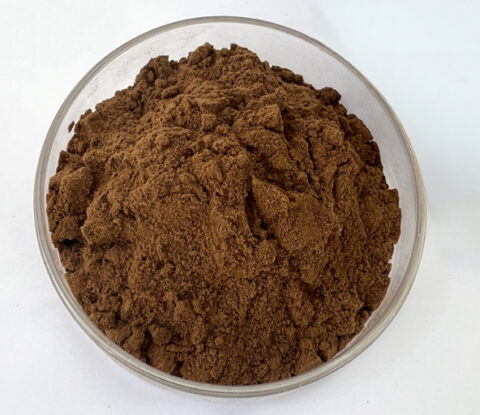
Fomitopsis Officinalis(Agarikon) Extract Powder 10:1, 20:1, 50:1 TLC, Polysaccharides 30% UV
The modern efficacy of Fomitopsis Officinalis(Agarikon) Extract is primarily focused on anti-tumor and immune modulation. Its active components, such as triterpenoids like oleanolic acid and β-glucan, exert anti-tumor effects by inducing apoptosis of cancer cells, inhibiting proliferation, and regulating the tumor microenvironment. At the same time, they can activate immune cells such as macrophages, balance immune responses, and exhibit auxiliary activities such as anti-inflammatory, hepatoprotective, and neuroprotective effects.
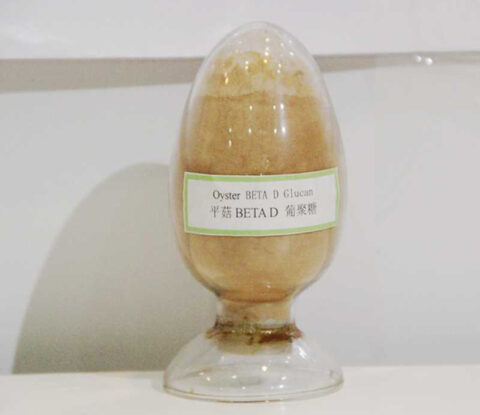
Oyster Mushroom Beta Glucan, Pleurotus ostreatus Extract Beta D Glucan powder, β-glucan 30%
Oyster mushroom polysaccharides not only have high purity and stability, but also contain abundant bioactive groups, such as hydroxyl and carboxyl groups, making them have broad application prospects in the fields of medicine and health products.
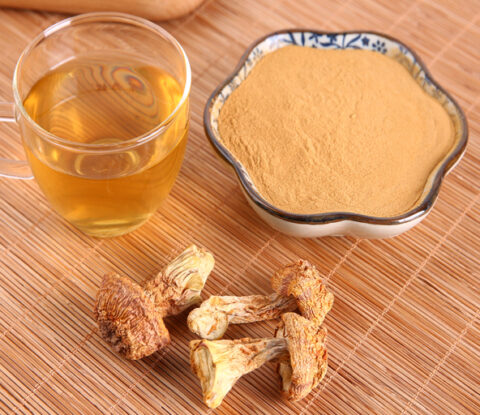
Agaricus Blazei Beta Glucan, Agaricus Extract Beta D Glucan powder, β-glucan 30%
Agaricus Blazei polysaccharides are effective active ingredients extracted from high-quality Agaricus matsutake fruiting bodies. They have a fragrant aroma, significant effects, and the ability to enhance energy in the human body. They can also inhibit the growth of tumor cells, have anti-tumor effects, and have absorption and excretion effects on carcinogens. It also has the function of lowering blood sugar, improving diabetes, lowering cholesterol and improving arteriosclerosis.
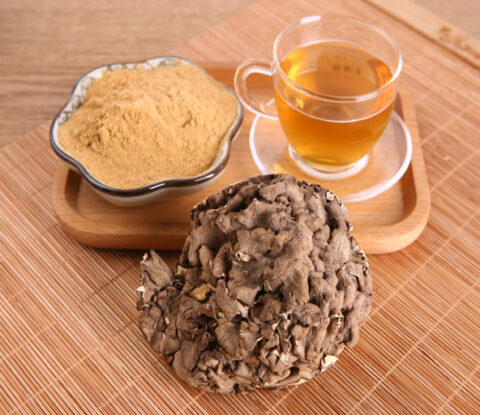
Maitake Beta Glucan,Grifola Frondosa Extract Beta D Glucan powder, β-glucan 30%
Maitake extract is a polysaccharide component extracted from Grifola frondosa, which can enhance immunity, prevent and treat cancer, and is a representative of the new generation of tumor immunotherapy. Maitake polysaccharide is an effective active ingredient extracted from high-quality maitake fruiting bodies. Its aroma is fragrant and its efficacy is significant. It can be used as an additive in various health products and food.
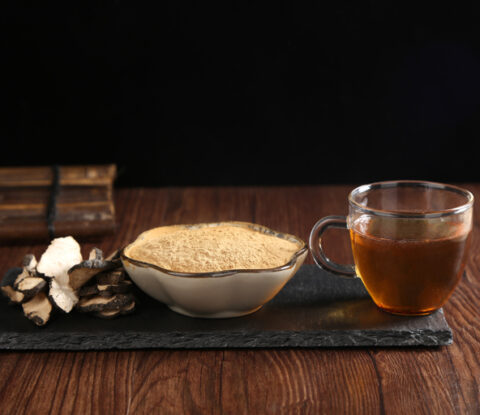
Poria Beta D Glucan,Poria Cocos Extract (Fu Ling) Beta D Glucan powder, β-glucan 30%
The medicinal part of Poria cocos is Poria cocos sclerotia, and Poria cocos polysaccharides are the main effective ingredients of Poria cocos. Modern clinical and pharmacological studies have shown that Poria cocos polysaccharides have good anti-tumor effects. This sugar has the ability to enhance the cytotoxicity of macrophages and T lymphocytes, as well as enhance the immune response of cells and activate the body's immune surveillance system against tumors. Its mechanism is related to the activation of complement.