
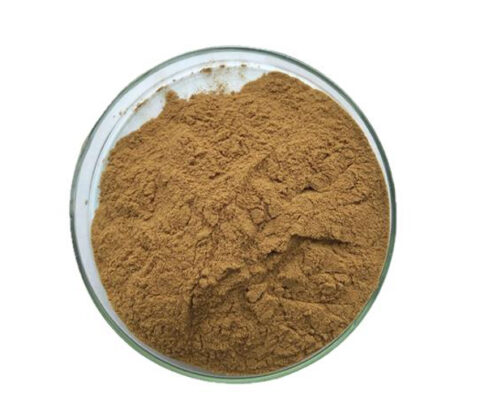
Andrographis (Chuan Xin Lian) Extract Powder 10:1, 20:1, 50:1 TLC
The functions of Chuanxinlian in traditional Chinese medicine include clearing heat and detoxifying, cooling blood, and reducing swelling. Used for colds, fever, sore throat, mouth and tongue sores, intermittent cough, diarrhea and dysentery, heat and sore throat, abscesses and sores, snake and insect bites.
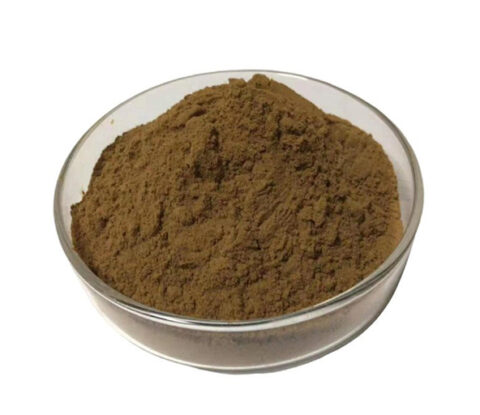
Epimedium (Yin Yang Huo) Extract Powder 10:1, 20:1, 50:1 TLC
The functions of Epimedium in traditional Chinese medicine include tonifying kidney yang, strengthening muscles and bones, and dispelling wind and dampness. Used for kidney yang deficiency, erectile dysfunction and nocturnal emissions, muscle and bone weakness, rheumatism and pain, numbness and spasms.
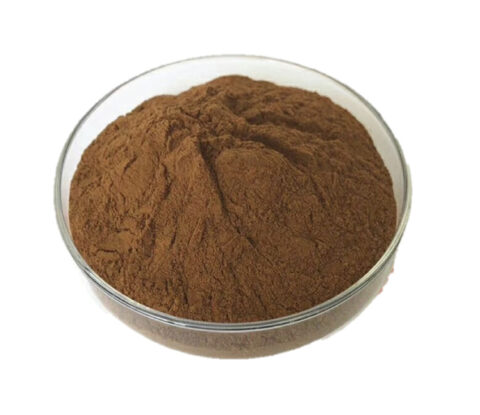
Fenugreek (Hu Lu Ba) Extract Powder 10:1, 20:1, 50:1 TLC
The functions of fenugreek/Huluba in traditional Chinese medicine include warming the kidneys, promoting yang, dispelling cold, and relieving pain. Commonly used for insufficient kidney yang, deficiency and coldness of the lower body, cold and painful lower abdomen, cold hernia and abdominal pain, and cold and damp athlete's foot.
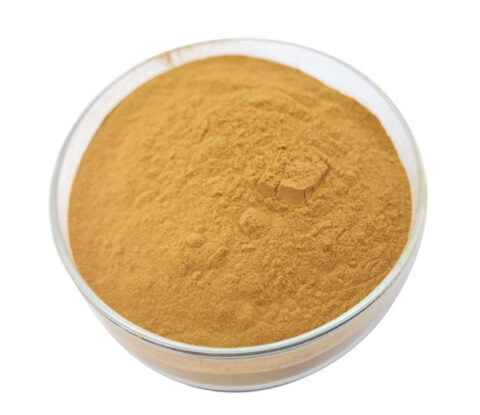
Peppermint (Bo He) Extract Powder 10:1, 20:1, 50:1 TLC
The functions of peppermint in traditional Chinese medicine include dispersing wind and heat, clearing and benefiting the head, clearing the throat, penetrating rashes, and soothing the liver and promoting qi circulation. Used for wind heat cold, initial onset of wind temperature, headache, red eyes, sore throat, mouth sores, rubella, measles, chest and rib distension.

Glossy Privet Fruit (Nv Zhen Zi) Extract Powder 10:1, 20:1, 50:1 TLC
The role of Ligustrum lucidum in traditional Chinese medicine includes nourishing the liver and kidneys, improving vision and hair. Used for liver and kidney yin deficiency, dizziness and tinnitus, soreness and weakness of the waist and knees, premature graying of hair, blurred vision, internal heat and thirst quenching.
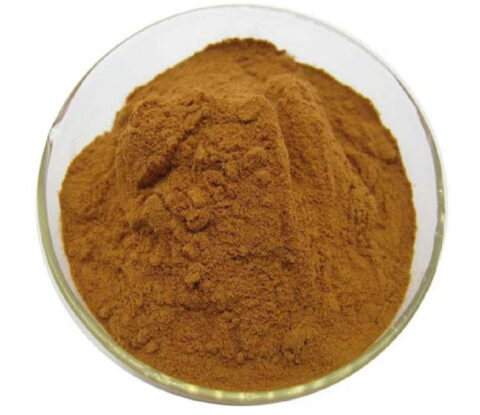
Radix Asparagi (Tian Men Dong) Extract Powder 10:1, 20:1, 50:1 TLC
Radix Asparagi is sweet, bitter, and cold in nature, returning to the lung and kidney meridians. It has the effects of clearing the lungs and reducing fire, nourishing yin and moistening dryness, generating fluids and quenching thirst. It is commonly used for symptoms such as lung dryness and dry cough, yin deficiency and hot flashes, intestinal dryness and constipation.
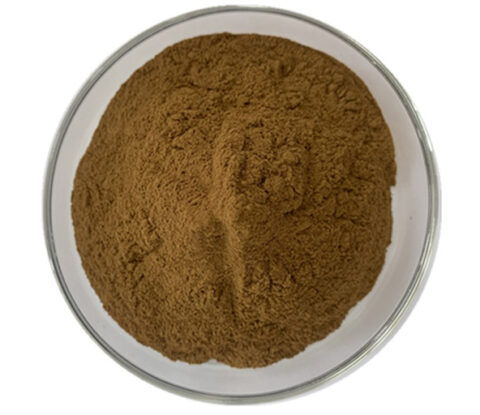
Lindera Aggregata (Wu Yao) Extract Powder 10:1, 20:1, 50:1 TLC
The functions of Wu medicine in traditional Chinese medicine include promoting qi circulation and relieving pain, warming the kidneys and dispelling coldness. Used for cold stagnation, chest and abdominal distension, shortness of breath, cold bladder deficiency, frequent enuresis, hernia pain, and abdominal pain caused by coldness.
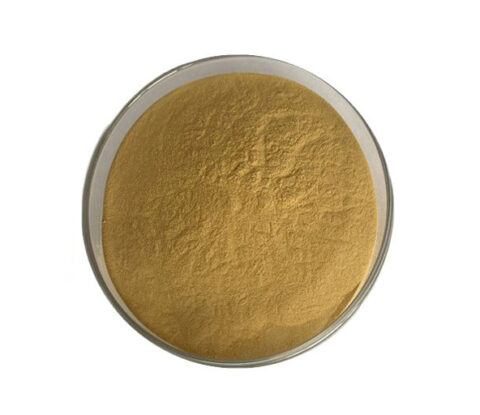
Plantago Seed (Che Qian Zi) Extract Powder 10:1, 20:1, 50:1 TLC
The functions of Plantago asiatica in traditional Chinese medicine include clearing heat, diuresis, promoting diuresis, relieving diarrhea, improving vision, and eliminating phlegm. Used for heat induced pain, swelling and fullness, diarrhea due to summer dampness, redness, swelling and pain in the eyes, phlegm heat, and cough.
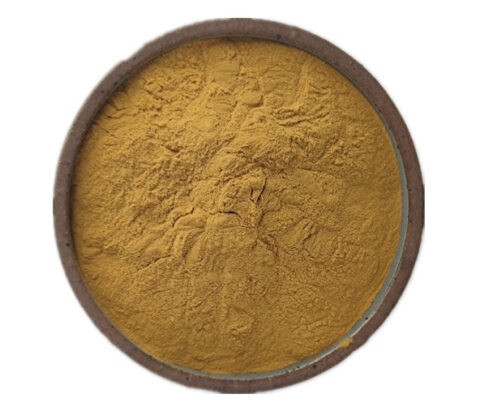
Platycladi Semen (Bai Zi Ren) Extract Powder 10:1, 20:1, 50:1 TLC
The functions of Bai Ziren in traditional Chinese medicine include nourishing the heart and calming the mind, moistening the intestines and promoting bowel movements, and stopping sweating. Used for Yin blood deficiency, restlessness, insomnia, palpitations, constipation, Yin deficiency and night sweats.