
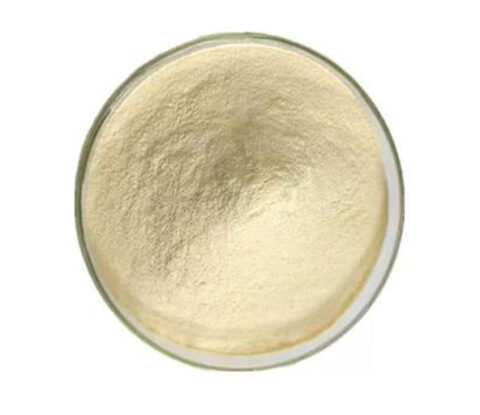
Persicae Semen/Peach Kernels (Tao Ren) Extract Powder 10:1, 20:1, 50:1 TLC
The functions of peach kernels in traditional Chinese medicine include promoting blood circulation and removing blood stasis, moistening the intestines and promoting bowel movements, relieving cough and asthma. Used for menstrual cramps, masses, lung and intestinal abscesses, falls and injuries, intestinal dryness and constipation, cough and asthma.
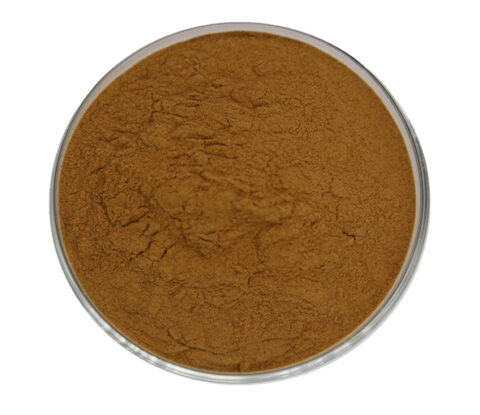
Ziziphus Jujuba(Suan Zao Ren) Extract Powder 10:1, 20:1, 50:1 TLC
The functions of sour jujube kernels in traditional Chinese medicine include nourishing the heart and liver, calming the heart and calming the mind, reducing sweating, and generating fluids. Used for restlessness, insomnia, palpitations, excessive sweating, and thirst caused by fluid damage.
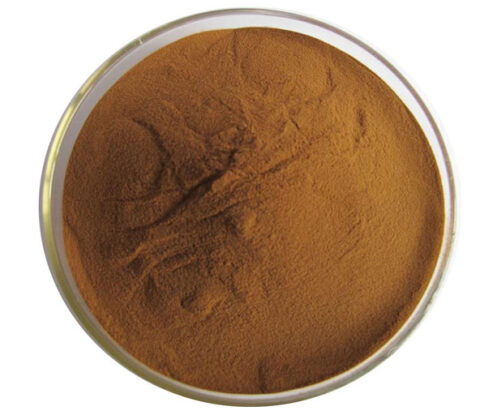
Polygala(Yuan Zhi) Extract Powder 10:1, 20:1, 50:1 TLC
Polygala was first recorded in the "Shennong Bencao Jing", which records that Yuanzhi has many effects, such as treating cough and the resulting qi reflux; Can nourish various weak symptoms and treat diseases that damage the organs; Can improve the function of the upper and lower nine orifices in the human body, making the ears and eyes sharp and clear; Can calm the mind, enhance intelligence, and improve memory; It can also enhance physical fitness and increase physical strength. Long term use can make the body agile and delay aging.
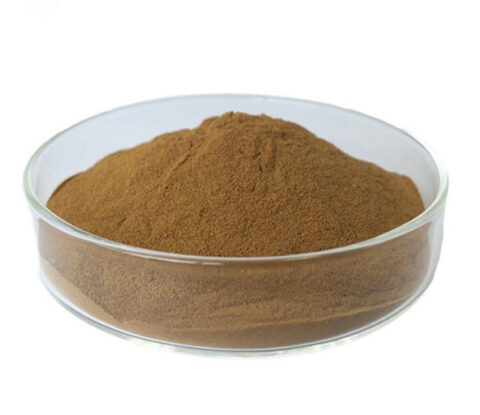
Pueraria Lobata(Ge Gen) Extract Powder 10:1, 20:1, 50:1 TLC
The main functions of Pueraria Lobata(Ge Gen) in traditional Chinese medicine are to relieve muscle and fever, generate saliva and quench thirst, penetrate rashes, promote yang and stop diarrhea, activate meridians and collaterals, and relieve alcohol and toxins. Used for external fever, headache, strong neck and back pain, thirst, quenching thirst, measles intolerance, dysentery, diarrhea, dizziness, headache, stroke hemiplegia, chest pain, and alcohol poisoning injuries.
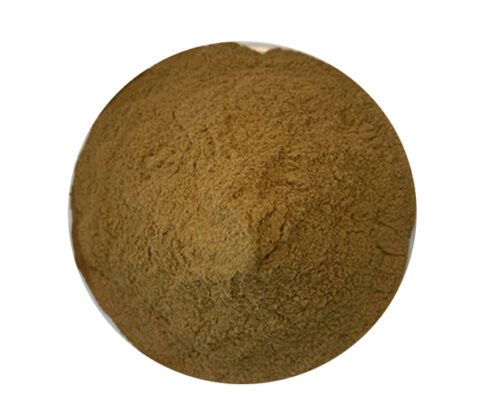
Psoralea Corylifolia(Bu Gu Zhi) Extract Powder 10:1, 20:1, 50:1 TLC
The role of Fructus Psorale in traditional Chinese medicine is to warm the kidneys and promote yang, absorb qi and relieve asthma, warm the spleen and stop diarrhea; External use for dispelling wind and removing spots. Used for kidney yang deficiency, erectile dysfunction, nocturnal emission, frequent enuresis and urination, cold and painful waist and knees, wheezing caused by kidney deficiency, and diarrhea caused by five changes; Topical treatment for vitiligo and alopecia areata.
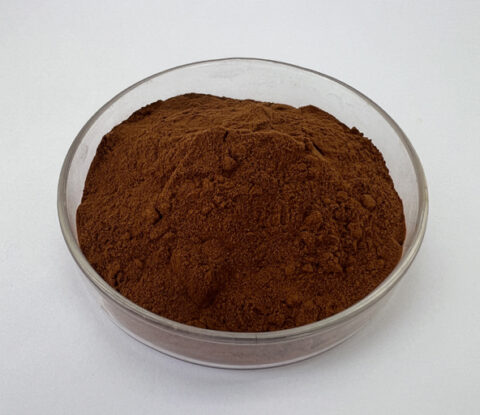
Carthamus Tinctorius (Hong Hua, Safflower) Extract Powder 10:1, 20:1, 50:1 TLC
The function of safflower/Carthamus Tinctorius in traditional Chinese medicine is to promote blood circulation, unblock meridians, disperse blood stasis, and relieve pain. Used for amenorrhea, dysmenorrhea, lochia, masses, chest pain, stasis, abdominal pain, chest and rib pain, falls and injuries, swelling and pain in ulcers.
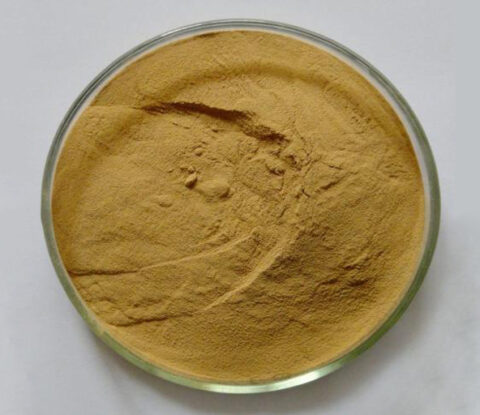
Platycodon Grandiflorus (Jie Geng) Extract Powder 10:1, 20:1, 50:1 TLC
The functions of Platycodon grandiflorum in traditional Chinese medicine include promoting lung function, clearing throat, eliminating phlegm, and expelling pus. Used for coughing with excessive phlegm, chest tightness, sore throat, hoarse voice, and vomiting pus from lung abscess.
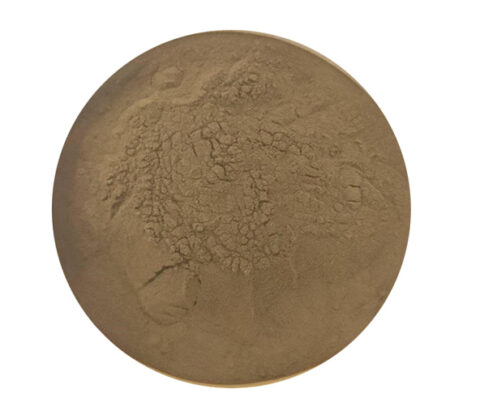
Scutellaria Baicalensis (Huang Qin) Extract Powder 10:1, 20:1, 50:1 TLC
The efficacy of Scutellaria baicalensis in traditional Chinese medicine includes clearing heat and dampness, purging fire and detoxifying, stopping bleeding, and preventing miscarriage. Used for dampness, heat and dampness, chest tightness, nausea and vomiting, damp heat and fullness, diarrhea, jaundice, lung heat cough, high fever and thirst, blood heat and vomiting, abscess and swelling, and fetal restlessness.
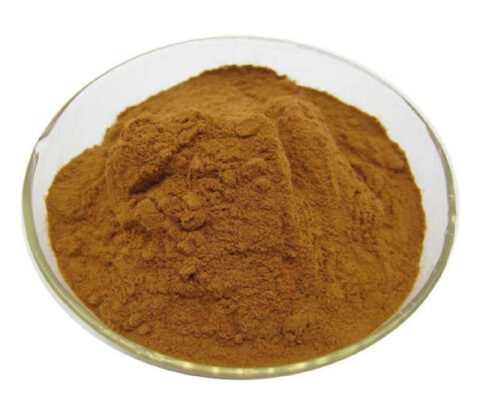
Acorus tatarinowii (Shi Chang Pu) Extract Powder 10:1, 20:1, 50:1 TLC
Acorus tatarinowii is a traditional Chinese medicinal herb, derived from the dried roots and stems of the Araceae plant Acorus tatarinowii. It has the effects of opening the orifices, awakening the mind, dispelling dampness and affecting the stomach, calming the heart and improving intelligence. It is commonly used clinically for symptoms such as phlegm dampness obstruction, confusion, forgetfulness and insomnia. Use according to medical advice and avoid self medication