
Artemisia Scoparia (Yin Chen) Extract Powder 10:1, 20:1, 50:1 TLC


The functions of Artemisia scoparia in traditional Chinese medicine include clearing dampness and heat, promoting bile flow, and reducing jaundice. Used for jaundice, oliguria, dampness, warmth, heat, dampness, and itching of wet sores.

Artemisia Scoparia (Yin Chen) Extract Powder 10:1, 20:1, 50:1 TLC
【Other names】: Yin Chen Hao, Herba Artemisiae Scopariae, Virgate Wormwood Herb, Yin Chen, Capillary Wormwood Herb
【Botanical source】: Artemisia scoparia Waldst. et Kit or Artemisia capillaris Thunb.
【Part used】: Dry aboveground parts of Artemisia scoparia Waldst et Kit or Artemisia capillaris Thunb in the Asteraceae family. Harvest the seedlings in spring when they are 6-10cm tall or when the flower buds grow to the beginning of flowering in autumn, remove impurities and old stems, and dry them in the sun.
【Specification】: 10:1, 20:1, 50:1 TLC
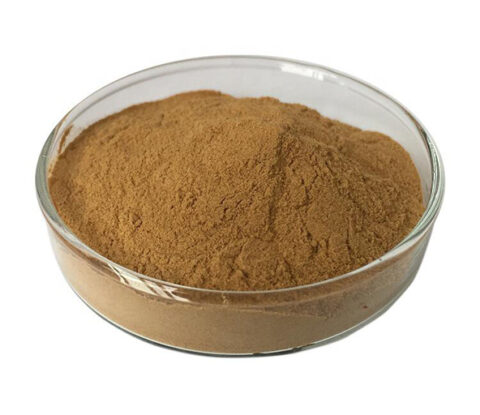
【Appearance】: Brownish yellow fine powder
【Particle size】: 95% pass 80 mesh size

Artemisia Scoparia (Yin Chen) Extract Powder Production Flowchart
Artemisia Scoparia (Yin Chen) raw materials – natural air drying–Coarse powder(40 mesh) -Low temperature water extraction – 1st Reflux Extraction(10 times water,2 Hrs) – 2nd Reflux Extraction8 times water,1.5 Hrs) – 3rd Reflux Extraction(6 times water,1 Hrs) – Extraction Solution-combine&Filtrate-Concentrate-Extractum-spray drying – screening – packaging – detection of physical and chemical indicators – warehousing
Specification Sheet of Artemisia Scoparia (Yin Chen) Extract Powder
| Product name: | Yin Chen Hao Extract | ||
| Specification: | 10:1 TLC | ||
| Part used: | Whole herb of Artemisia capillaris Thunb | ||
| Solvent used: | Hot water | ||
| Process: | Raw materials crushed, extracted, concentrated and spray-dried to powder | ||
| Non GMO according to regulation (EC) 1829/2003 and 1830/2003 or United States requirements. Non allergen according to Directive 2007/68 amending Annex IIIa to Directive 2000/13/EC and US Food allergen labelling and consumer protection act 2004. | |||
| Heavy Metals: | |||
| Lead: | NMT 3ppm | Cadmium: | NMT 1ppm |
| Arsenic: | NMT 2ppm | Mercury: | NMT 1ppm |
| Residual solvents: | Comply to USP | ||
| Pesticides residues: | Conform to Regulation USP<561> | ||
| Microbiology: | |||
| Total plate count: | 10000cfu/g Max | Yeasts and molds: | 1000cfu/g Max |
| E.coli: | Not detected in (g)10 | Salmonella spp.: | Not detected in (g)25 |
| Staphylococcus aureus: | Not detected in (g)10 | Clostridium spp.: | Not Present in 0.1 g of food |
| Organoleptic quality | Method | Specifications | |
| Aspect: | Visual : ( CQ-MO-148) | Powder | |
| Color: | Visual : ( CQ-MO-148) | Brownish | |
| Flavor: | Sensory: (CQ-MO-148) | Characteristic | |
| Analytical quality | Method | Specifications | |
| Identification: | TLC | Conform | |
| Loss on drying: | USP <731> | < 10% | |
| Bulk density: | USP <616> Method I | 40 – 60 g/100mL | |
| Particle size: | Analytical sieving || USP <786> | 100% through 80meshes | |
| Packaging suitable for foodstuff. | |||
Extended Reading
Artemisia Scoparia (Yin Chen) Function and Efficacy Recorded in TCM
Artemisia scoparia is an essential medicine for the clinical treatment of liver, gallbladder, and damp heat diseases in traditional Chinese medicine. Its name is often used interchangeably with “Artemisia scoparia”, but specifically refers to the dried aboveground parts of the Asteraceae plant Artemisia scoparia or Artemisia scoparia, especially the quality of seedlings harvested in spring. Its function deeply embodies the core idea of traditional Chinese medicine, which is to clear heat, promote dampness, and eliminate jaundice.
1. Clearing heat and dampness, reducing jaundice
Jaundice elixir: Known as the “first essential medicine” for treating various types of jaundice, especially damp heat and yang jaundice. Traditional Chinese medicine believes that jaundice is caused by dampness and heat or cold dampness obstructing the spleen and stomach, obstructing the liver and gallbladder, and forcing bile to overflow from the skin. Artemisia scoparia has a fragrant aroma and a cold and cool nature. It can promote the flow of qi and blood, and is good at clearing dampness and heat in the liver, gallbladder, spleen, and stomach. It also guides the flow of qi from urine, and when evil is eliminated, the yellow color will naturally subside.
2. Detoxification and treatment of sores
Due to its ability to clear heat and promote dampness, it is also commonly used for skin diseases caused by damp heat or heat toxicity, such as eczema, wet sores, rubella itching, etc. It can be taken orally or decocted and washed externally.
Modern Pharmacological Effects of Artemisia Scoparia (Yin Chen)
The modern pharmacological research of Artemisia scoparia is very rich, and its traditional effects of clearing heat, removing dampness, and relieving jaundice have been scientifically explained and expanded. The following is a detailed summary of its main modern pharmacological effects:
Core pharmacological effects (directly corresponding to traditional effects)
1.Gallbladder and promotion of bile secretion
Function: This is the core mechanism of its “yellowing” effect. Artemisia scoparia can significantly increase the secretion of bile, the excretion of bile acids and solid substances, and relax the sphincter muscle of Oedipus, promoting bile excretion.
Active ingredients: The main ingredients are 6,7-dimethoxycoumarin (artemisinin), chlorogenic acid, caffeic acid, etc.
Meaning: It directly explains the modern pharmacological basis for its treatment of jaundice, cholecystitis, and cholelithiasis.
2. Liver protection
Function:
Anti liver injury: It has a significant protective effect on various chemical liver injuries such as carbon tetrachloride, acetaminophen, and alcohol, and can reduce serum transaminase levels (ALT, AST).
Anti virus: It can inhibit hepatitis virus (such as hepatitis B virus).
Promote liver cell regeneration: can promote the repair and regeneration of damaged liver cells.
Meaning: Provided scientific basis for the treatment of acute and chronic hepatitis, cirrhosis, etc.
3. Resistance to pathogenic microorganisms
Function: It has inhibitory effects on Staphylococcus aureus, Shigella, Escherichia coli, Mycobacterium tuberculosis, etc., and also has inhibitory effects on certain skin fungi and influenza viruses.
Meaning: This confirms its traditional “heat clearing and detoxification” effect, which can be used to treat infectious diseases.
4. Anti inflammatory and antipyretic
Function: It can inhibit the production of various inflammatory factors (such as TNF – α, IL-6) and alleviate inflammatory reactions. Has antipyretic effects on experimental fever models.
Significance: It is helpful to relieve inflammation and fever symptoms in liver and gallbladder damp heat syndrome and infectious diseases.
Expanded pharmacological effects (modern discoveries beyond traditional applications)
1.Cardiovascular system function
Hypolipidemic and anti atherosclerosis: it can reduce serum total cholesterol, low density lipoprotein (LDL), and reduce aortic atherosclerotic plaque.
Lowering blood pressure and dilating blood vessels: Its water extract and volatile oil have the effects of lowering blood pressure and dilating coronary arteries.
Meaning: It suggests its potential value in the prevention and treatment of cardiovascular and cerebrovascular diseases such as hyperlipidemia and coronary heart disease.
2.Antitumor
Function: Some components in Artemisia scoparia, such as phytoestrone, have been shown to inhibit the proliferation of various tumor cells, such as liver cancer, gastric cancer, and lung cancer cells, and induce their apoptosis.
Mechanism: It involves regulating the cell cycle, inhibiting tumor angiogenesis, enhancing the body’s immune system, etc.
Meaning: It is one of the current research hotspots, demonstrating its potential as an anti-tumor adjuvant drug.
3. Immunomodulation
Function: It has a bidirectional regulatory effect, which can enhance the phagocytic function of macrophages, improve the body’s immunity, and inhibit excessive immune reactions (such as allergies).
Meaning: Helps to explain its potential benefits for autoimmune liver disease and allergic diseases.
4.Antioxidant
Function: Rich in flavonoids and polyphenols, it can effectively eliminate free radicals and reduce oxidative stress damage.
Meaning: Its hepatoprotective, anti-aging, and endothelial protective effects are closely related to antioxidant activity.
5. Diuresis
Function: Can increase urine output and chloride ion excretion in urine.
Meaning: Provides direct evidence for the effectiveness of “diuresis” and helps to eliminate edema.