
Wild Yam (Shan Yao) Extract Powder 10:1, 20:1, 50:1 TLC
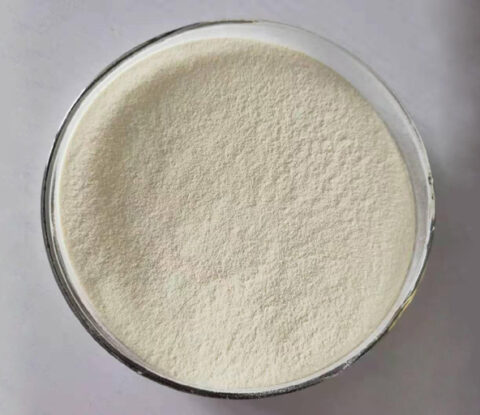


The functions of yam in traditional Chinese medicine include nourishing the spleen and stomach, generating fluids and benefiting the lungs, and tonifying the kidneys and astringent essence. Used for spleen deficiency with insufficient food intake, persistent diarrhea, lung deficiency with wheezing and coughing, kidney deficiency with nocturnal emissions, diarrhea, frequent urination, and deficiency heat to quench thirst. Stir fried yam with bran can nourish the spleen and stomach.

Wild Yam (Shan Yao) Extract Powder 10:1, 20:1, 50:1 TLC
【Other names】: Shan Yao, Rhizoma Dioscoreae, Chinese Yam, Common Yam Rhizomeme,Wingde Yan Rhizome, Shu Yu, wild yam, Dioscoreae Rhizoma
【Botanical source】: Dioscorea opposita Thunb
【Part used】: Dry rhizomes of Dioscorea opposita Thunb, a plant in the Dioscoreaceae family. After the stems and leaves wither in winter, they are harvested, the roots are cut off, washed, the outer skin and roots are removed, dried, and commonly known as “Mao Yam”; Or remove the outer skin, cut into thick slices while fresh, dry, and call them “yam slices”; There are also options to choose dried yam that is plump and straight. Place it in clear water, soak it until there is no dry core, cover it thoroughly, cut it at both ends, rub it into a cylindrical shape with a wooden board, dry it in the sun, and polish it.
【Specification】: 10:1, 20:1, 50:1 TLC
【Appearance】: Brownish yellow fine powder
【Particle size】: 95% pass 80 mesh size
Wild Yam (Shan Yao) Extract Powder Production Flowchart
Wild Yam (Shan Yao) raw materials – natural air drying–Coarse powder(40 mesh) -Low temperature water extraction – 1st Reflux Extraction(10 times water,2 Hrs) – 2nd Reflux Extraction8 times water,1.5 Hrs) – 3rd Reflux Extraction(6 times water,1 Hrs) – Extraction Solution-combine&Filtrate-Concentrate-Extractum-spray drying – screening – packaging – detection of physical and chemical indicators – warehousing
Specification Sheet of Wild Yam (Shan Yao) Extract Powder
| Product name: | Shan Yao Extract | ||
| Specification: | 10:1 TLC | ||
| Part used: | Dried roots of Dioscorea opposita Thunb | ||
| Solvent used: | Hot water | ||
| Process: | Raw materials crushed, extracted, concentrated and spray-dried to powder | ||
| Non GMO according to regulation (EC) 1829/2003 and 1830/2003 or United States requirements. Non allergen according to Directive 2007/68 amending Annex IIIa to Directive 2000/13/EC and US Food allergen labelling and consumer protection act 2004. | |||
| Heavy Metals: | |||
| Lead: | NMT 3ppm | Cadmium: | NMT 1ppm |
| Arsenic: | NMT 2ppm | Mercury: | NMT 1ppm |
| Residual solvents: | Comply to USP | ||
| Pesticides residues: | Conform to Regulation USP<561> | ||
| Microbiology: | |||
| Total plate count: | 10000cfu/g Max | Yeasts and molds: | 1000cfu/g Max |
| E.coli: | Not detected in (g)10 | Salmonella spp.: | Not detected in (g)25 |
| Staphylococcus aureus: | Not detected in (g)10 | Clostridium spp.: | Not Present in 0.1 g of food |
| Organoleptic quality | Method | Specifications | |
| Aspect: | Visual : ( CQ-MO-148) | Powder | |
| Color: | Visual : ( CQ-MO-148) | Offwhite | |
| Flavor: | Sensory: (CQ-MO-148) | Characteristic | |
| Analytical quality | Method | Specifications | |
| Identification: | TLC | Conform | |
| Loss on drying: | USP <731> | < 10% | |
| Bulk density: | USP <616> Method I | 40 – 60 g/100mL | |
| Particle size: | Analytical sieving || USP <786> | 100% through 80meshes | |
| Packaging suitable for foodstuff. | |||
Extended Reading
Wild Yam (Shan Yao) Function and Efficacy Recorded in TCM
Wild yam is a very peaceful and important medicinal and edible product in traditional Chinese medicine, known as the “affordable ginseng”. It is neither dry nor greasy, nourishing but not harsh, and is an essential medicine for nourishing yin and yang. The following is a detailed explanation of the role of yam in traditional Chinese medicine:
1.Nourishing the spleen and stomach (strengthening the spleen and nourishing qi)
Meaning: Nourish the spleen and stomach, enhance their transport and chemical functions, thereby generating more qi and blood.
Characteristics: Yam has a mild nature and a sweet taste. It can nourish qi and yin, and is effective for spleen qi deficiency and stomach yin deficiency. It is very peaceful, especially suitable for children and frail individuals with weak spleen and stomach, digestive dysfunction, and will not cause any burden.
Application: Used to treat loss of appetite, fatigue, loose stools, or diarrhea caused by spleen deficiency. The famous Shen Ling Bai Zhu San contains yam, which is used to treat spleen deficiency and dampness.
2. Nourish the lungs and generate fluids
Meaning: Nourish lung qi and nourish lung yin.
Application: Used to treat chronic cough, persistent cough, low and sticky phlegm, hoarseness, shortness of breath and fatigue caused by lung qi deficiency or lung yin deficiency. It is particularly suitable for the symptoms of lung yin deficiency that occur in consumptive diseases such as tuberculosis and chronic bronchitis.
3. Tonifying kidney and astringent essence
Meaning: Tonifying kidney qi and consolidating kidney essence.
Application: This is a very important function that covers the sealing function of the kidneys.
For kidney yin deficiency: it can be used for soreness and weakness of the waist and knees, dizziness, tinnitus, night sweats, nocturnal emissions, etc.
For kidney qi deficiency, solid absorption has no right: it can be used for frequent urination, enuresis, nocturia, dribbling (excessive vaginal discharge in women), chronic diarrhea, etc. The famous Liuwei Dihuang Pill uses yam to nourish the spleen and kidneys.
4. Generating fluids and nourishing yin
Meaning: Cultivate body fluids and nourish yin fluids.
Application: It is used to treat dry mouth, thirst and thirst (diabetes) caused by body fluid deficiency. Yam is a commonly used medicine for treating thirst. It can nourish the spleen (the spleen is the source of qi and blood biochemistry, and body fluids also come from the spleen), as well as tonify the kidneys (the kidney yin is the foundation of the body’s yin fluids). It can nourish both qi and yin, which is very suitable for the syndrome.
Modern Pharmacological Effects of Wild Yam (Shan Yao)
The modern pharmacological research on yam is very rich, which scientifically confirms its traditional Chinese medicine efficacy and reveals more potential health values. The pharmacological activity of yam is mainly attributed to its various components, including yam polysaccharides, dioscin, allantoin, starch, trace elements, etc. The following are the main modern pharmacological effects of yam:
1.The effect on the digestive system
Protecting gastric mucosa and resisting ulcers
Mechanism: The mucin protein rich in yam can form a protective film on the surface of the stomach wall, reducing the damage of gastric acid and irritating foods to the gastric mucosa. The allantoin it contains can promote epithelial cell growth, reduce inflammation, and promote ulcer healing.
Regulating intestinal function
Mechanism: Yam has a bidirectional regulatory effect on intestinal function.
Treating diarrhea: The tannins in yam have a certain astringent and antidiarrheal effect.
Relieve constipation: Yam polysaccharides are a type of dietary fiber that can absorb water, soften stool, and promote intestinal peristalsis. This bidirectional regulation is highly consistent with the traditional Chinese medicine’s use of it to treat spleen deficiency and diarrhea, as well as to “generate fluids” and moisten dryness.
Aiding digestion
Mechanism: Yam contains digestive enzymes such as amylase and polyphenol oxidase, which help to break down starch and protein and improve digestive function.
2. Regulating immune function
Enhancing immunity: Yam polysaccharides are the most important immune active ingredient in yam.
It can significantly enhance the phagocytic ability of macrophages.
Promote the proliferation and transformation of lymphocytes.
Increase the content of hemolysin in serum and enhance humoral immune function.
In layman’s terms, this provides a scientific basis for traditional Chinese medicine to believe that yam can “nourish qi” and “enhance resistance” (tonify qi and stabilize the surface). Regular consumption helps the body establish a stronger defense system and is less likely to catch a cold.
3. Regulating blood sugar function
Mechanism: yam is commonly used for both medicine and food to treat diabetes (thirst).
Yam polysaccharide: It has been proven to have a clear hypoglycemic effect, improve insulin sensitivity, and inhibit gluconeogenesis (the process of glucose production in the liver).
High fiber, low glycemic index: Yam is rich in fiber, which can delay the absorption of sugar in food and keep blood sugar levels steadily rising.
Corresponding: This directly confirms the thousand year experience of using yam in traditional Chinese medicine to treat “thirst quenching”.
4. Antioxidant and anti-aging effects
Mechanism: Polysaccharides, saponins, and various vitamins in yam are natural antioxidants that can effectively eliminate free radicals in the body and reduce oxidative stress damage to cells.
Research has shown that yam extract can prolong the average lifespan of experimental animals, improve the learning and memory abilities of aging model animals, and improve physiological indicators of aging
5. The protective effect on the kidneys
Mechanism: Studies have shown that yam and its effective ingredients have protective effects on renal ischemia-reperfusion injury, diabetes nephropathy, etc. It can alleviate pathological changes in kidney tissue and reduce serum creatinine and urea nitrogen levels.
Correspondingly, this provides a modern scientific perspective on the efficacy of traditional Chinese medicine in nourishing the kidneys, especially in the treatment of diseases related to kidney function decline.
6. Regulating blood lipids and cardiovascular protection
Mechanism: Yam can reduce the levels of total cholesterol, triglycerides, and low-density lipoprotein (“bad” cholesterol) in the serum of experimental animals, while increasing the levels of high-density lipoprotein (“good” cholesterol).
Dioscin: It is one of the main components that regulate blood lipids.
Dietary fiber: can reduce the absorption of cholesterol in the intestine.
Benefits: Helps prevent atherosclerosis and related cardiovascular diseases.
7. Other functions
Antitumor: Some in vitro and animal experiments have shown that yam polysaccharides and dioscin have inhibitory effects on proliferation and induce apoptosis in certain cancer cell lines (such as liver cancer and gastric cancer), but they mainly play an auxiliary and preventive role.
Improving learning and memory: may be related to its antioxidant effects and improving blood circulation in the brain.
Promoting bone health: Yam, as one of the sources of plant estrogen, may have a positive impact on preventing osteoporosis.