
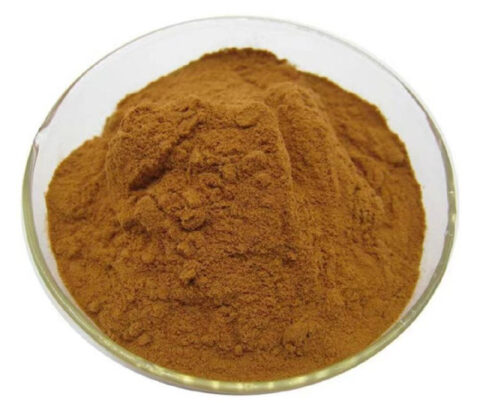
Aucklandiae (Mu Xiang) Extract Powder 10:1, 20:1, 50:1 TLC
The functions of wood fragrance in traditional Chinese medicine include promoting qi circulation, relieving pain, strengthening the spleen, and promoting digestion. Used for chest and abdominal distension and pain, severe diarrhea, persistent food accumulation, and lack of appetite. Braised wood fragrance astringent intestines to stop diarrhea. Used for diarrhea and abdominal pain.
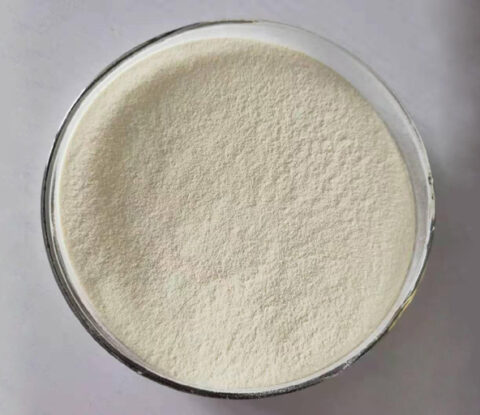
Wild Yam (Shan Yao) Extract Powder 10:1, 20:1, 50:1 TLC
The functions of yam in traditional Chinese medicine include nourishing the spleen and stomach, generating fluids and benefiting the lungs, and tonifying the kidneys and astringent essence. Used for spleen deficiency with insufficient food intake, persistent diarrhea, lung deficiency with wheezing and coughing, kidney deficiency with nocturnal emissions, diarrhea, frequent urination, and deficiency heat to quench thirst. Stir fried yam with bran can nourish the spleen and stomach.
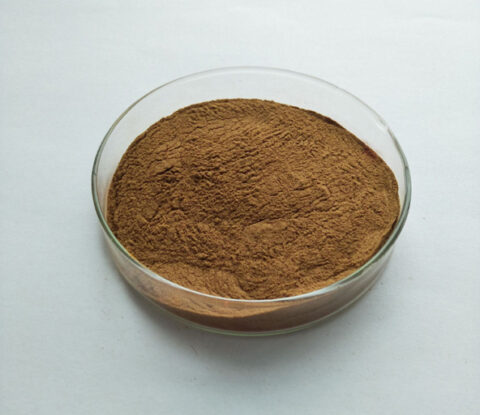
Rhubarb (Da Huang) Extract Powder 10:1, 20:1, 50:1 TLC
The functions of rhubarb in traditional Chinese medicine include purging and attacking accumulation, clearing heat and fire, cooling blood and detoxifying, removing blood stasis and promoting menstruation, and promoting dampness and reducing jaundice. Used for constipation caused by excessive heat accumulation, blood heat vomiting and bleeding, redness of the eyes and throat swelling, carbuncles and sores, abdominal pain caused by intestinal abscess, obstruction of blood stasis meridian, postpartum blood stasis, traumatic injury, damp heat dysentery, jaundice and red urine, gonorrhea, edema; External treatment for burns and scalds.
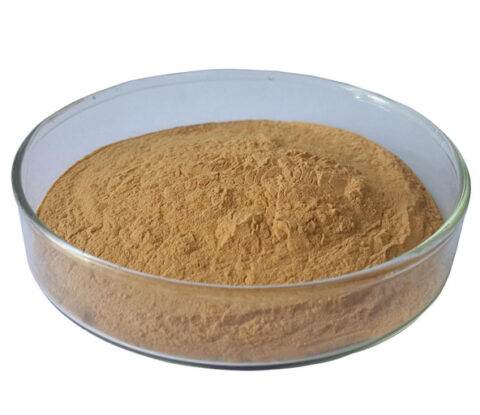
Jujubae Fructus (Da Zao) Extract Powder 10:1, 20:1, 50:1 TLC
The role of jujube in traditional Chinese medicine includes tonifying the middle and nourishing qi, nourishing blood and calming the mind. Used for spleen deficiency, insufficient food intake, fatigue, and loose stools.
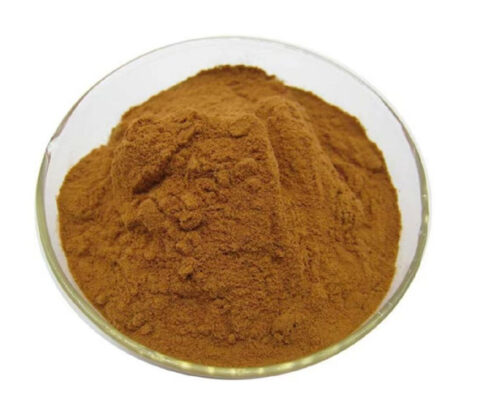
Gardeniae Fructus (Zhi Zi) Extract Powder 10:1, 20:1, 50:1 TLC
The functions of Gardenia jasminoides in traditional Chinese medicine include clearing fire and eliminating annoyance, clearing heat and dampness, cooling blood and detoxifying; External application for reducing swelling and relieving pain. Used for restlessness caused by fever, jaundice caused by damp heat, astringency and pain caused by gonorrhea, vomiting and bleeding due to blood heat, redness and swelling in the eyes, and ulcers caused by fire toxin; External treatment for torsion, contusion, and pain.
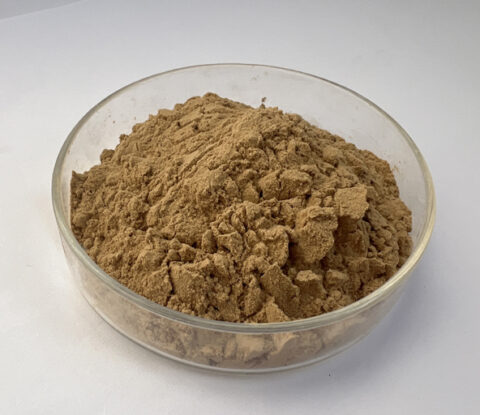
Bupleuri Radix (Chai Hu) Extract Powder 10:1, 20:1, 50:1 TLC
The functions of Chaihu in traditional Chinese medicine include dispersing and reducing fever, soothing the liver and relieving depression, and elevating yang qi. Used for cold and fever, cold and heat exchange, chest and rib pain, menstrual disorders, uterine prolapse, and prolapse.
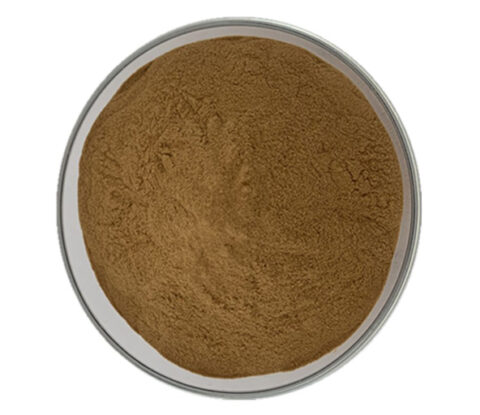
Codonopsis Radix (Dang Shen) Extract Powder 10:1, 20:1, 50:1 TLC
The functions of Codonopsis pilosula in traditional Chinese medicine include strengthening the spleen and lungs, nourishing blood and generating fluids. Used for spleen and lung qi deficiency, food deficiency and fatigue, cough deficiency and wheezing, insufficient qi and blood, pale complexion, palpitations and shortness of breath, fluid damage and thirst, and internal heat quenching.
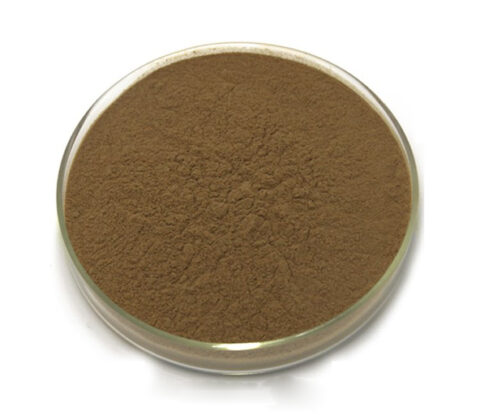
Alismatis Rhizoma (Ze Xie) Extract Powder 10:1, 20:1, 50:1 TLC
The functions of Alisma in traditional Chinese medicine include promoting diuresis, eliminating dampness, relieving heat, and reducing turbidity and cholesterol. Used for urinary discomfort, swelling and fullness, diarrhea with less urine, dizziness caused by phlegm, pain caused by heat induced gonorrhea, and hyperlipidemia.
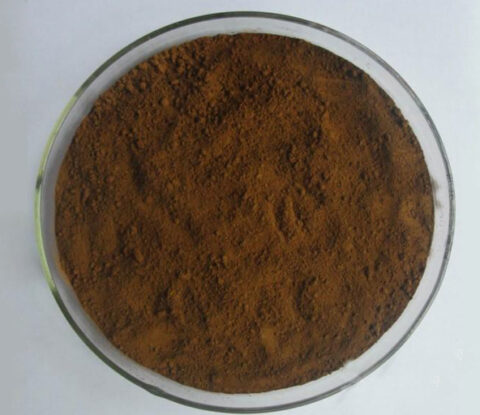
Salvia Miltiorrhiza (Dan Shen) Extract Powder 10:1, 20:1, 50:1 TLC
The functions of Danshen in traditional Chinese medicine include promoting blood circulation and removing blood stasis, regulating meridians and relieving pain, clearing the heart and eliminating annoyance, cooling blood and eliminating carbuncles. Used for chest pain, abdominal pain, accumulation of symptoms, thermal pain, restlessness, menstrual disorders, dysmenorrhea, and swelling and pain in ulcers.