
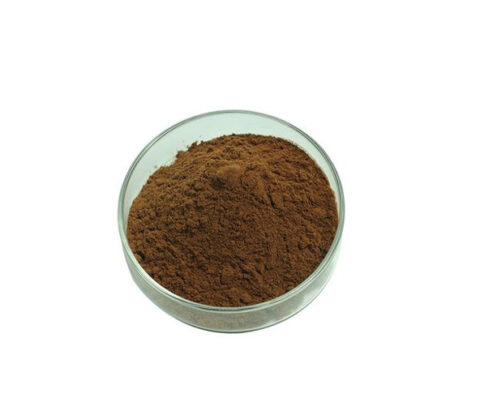
Fructus Tribuli (Ji Li) Extract Powder 10:1, 20:1, 50:1 TLC
The functions of Tribulus terrestris in traditional Chinese medicine include calming the liver and relieving depression, promoting blood circulation and dispelling wind, improving vision, and relieving itching. Used for headaches, dizziness, chest and rib pain, breast closure and abscess, blurred vision, rubella itching.
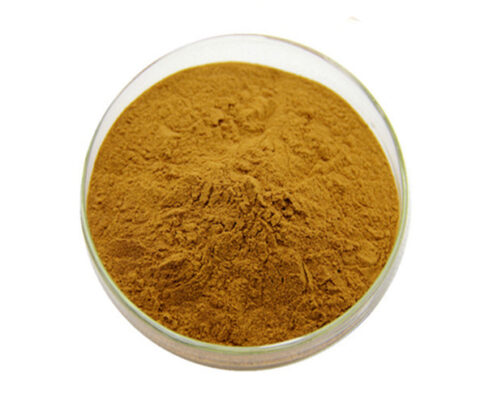
Toosendan Fructus (Chuan Lian Zi) Extract Powder 10:1, 20:1, 50:1 TLC
The functions of Chuanzhenzi in traditional Chinese medicine include soothing the liver, relieving heat, promoting qi circulation, relieving pain, and killing insects. Used for liver depression and heat dissipation, chest and abdominal distension and pain, hernia pain, and abdominal pain caused by insect accumulation.
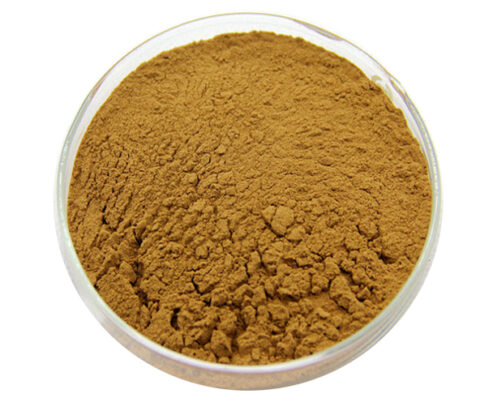
Corydalis Yanhusuo (Yan Hu Suo) Extract Powder 10:1, 20:1, 50:1 TLC
The functions of Corydalis yanhusuo in traditional Chinese medicine include promoting blood circulation, regulating qi, and relieving pain. Used for chest and abdominal pain, chest tightness and heartache, menstrual cramps, postpartum blood stasis, and swelling and pain caused by falls.
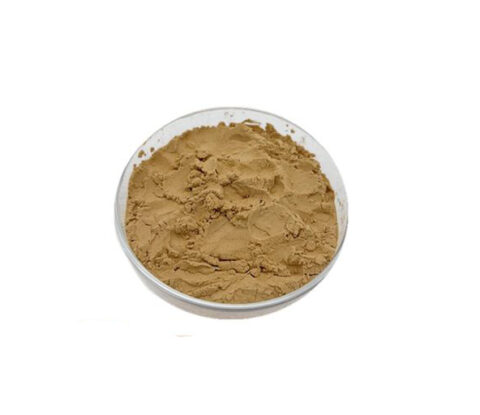
Gentianae Cephalanthae (Long Dan Cao) Extract Powder 10:1, 20:1, 50:1 TLC
The functions of Gentiana scabra in traditional Chinese medicine include clearing heat and dampness, and relieving liver and gallbladder fire. Used for damp heat jaundice, yin swelling and itching, vaginal discharge, eczema itching, liver fire and red eyes, tinnitus and hearing loss, rib pain and bitter mouth, strong to moderate, and convulsions.
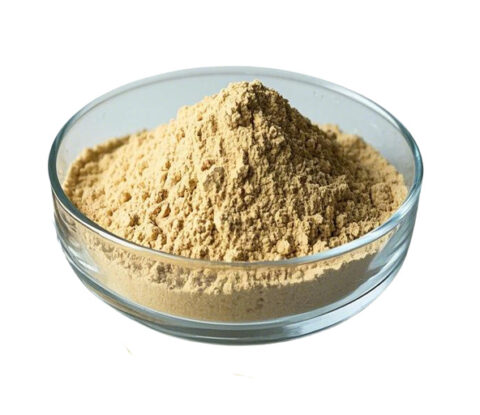
Astragalus (Huang Qi) Extract Powder 10:1, 20:1, 50:1 TLC
The functions of Astragalus membranaceus in traditional Chinese medicine include tonifying qi and promoting yang, stabilizing the surface and stopping sweating, promoting diuresis and reducing swelling, generating fluids and nourishing blood, promoting stagnation and unblocking rheumatism, supporting toxins and eliminating pus, and healing sores and muscles. Used for Qi deficiency and fatigue, insufficient appetite, loose stools, sinking of qi, prolonged diarrhea and prolapse, bleeding and leakage of stool, sweating due to surface deficiency, Qi deficiency and edema, internal heat and thirst quenching, blood deficiency and yellowing, hemiplegia, numbness and pain, difficult to break down carbuncle and abscess, and long-term failure to converge.
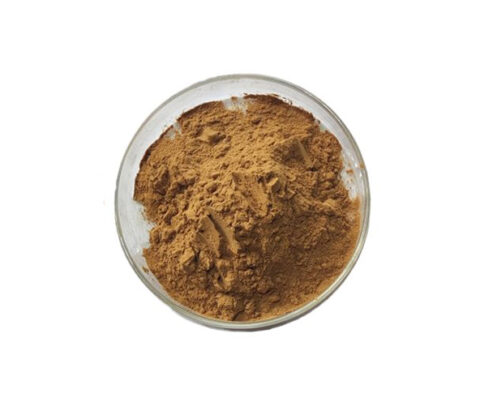
Magnolia Officinalis (Hou Po) Extract Powder 10:1, 20:1, 50:1 TLC
The functions of Magnolia officinalis in traditional Chinese medicine include drying dampness, eliminating phlegm, and removing excess qi. Used for damp stagnation injury, vomiting and diarrhea in the epigastric region, food accumulation and qi stagnation, abdominal distension and constipation, phlegm and thirst, wheezing and coughing.
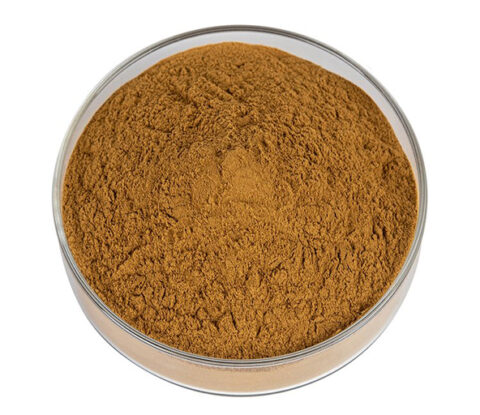
He Shou Wu Stem (Ye Jiao Teng) Extract Powder 10:1, 20:1, 50:1 TLC
The functions of He Shou Wu Stem in traditional Chinese medicine include nourishing the heart, calming the mind, dispelling wind, and promoting blood circulation. Used for insomnia, excessive dreaming, blood deficiency, body pain, skin numbness, rheumatism and rheumatism, and rubella itching.
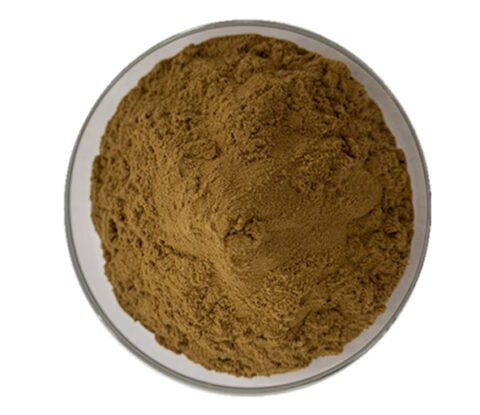
Teasel Root (Xu Duan) Extract Powder 10:1, 20:1, 50:1 TLC
The functions of Teasel Root(Xu Duan) in traditional Chinese medicine include tonifying the liver and kidneys, strengthening muscles and bones, continuing broken wounds, and stopping collapse and leakage. Used for liver and kidney deficiency, soreness and weakness in the waist and knees, rheumatism and rheumatism, falls and falls, muscle injuries, fractures, collapse, and fetal leakage. Jiuxuduan is commonly used for rheumatism, rheumatism, and pain, as well as for injuries such as falls, falls, and muscle fractures. Salt is often used for soreness and weakness in the waist and knees.
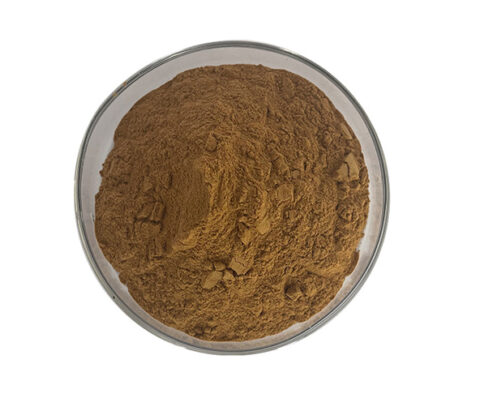
Uncaria (Gou Teng) Extract Powder 10:1, 20:1, 50:1 TLC
The functions of Coix seed in traditional Chinese medicine include promoting diuresis and dampness, strengthening the spleen and stopping diarrhea, removing rheumatism, expelling pus, detoxifying and dispersing nodules. Used for edema, athlete's foot, poor urination, spleen deficiency diarrhea, damp stagnation, lung abscess, intestinal abscess, and verruca.